



Dash Cam Laws and Legal Requirements by State for Drivers
Did you know over 50% of drivers use recording devices for safety? Knowing dash cam laws is key for every traveler. It helps you follow legal requirements by state while recording your drives.
Knowledge is your best defense against fines or trouble. Just like checking your dashboard lights for car health, you need to know the laws. Our guide helps drivers record their trips safely and worry-free.
Key Takeaways
- Recording devices are increasingly common for personal safety and insurance verification.
- Regulations regarding video and audio capture vary significantly across different regions.
- Compliance helps avoid unnecessary legal disputes during traffic stops.
- Always verify local statutes before mounting equipment on your windshield.
- Proper placement is key to ensure your view remains unobstructed while recording.
Understanding Dash Cam Usage: An Overview
In-car recording technology has changed how we document our time driving. It’s key for every driver to understand vehicle recording devices. These systems are legal in the U.S. but knowing federal rules is important.
Drivers should know that personal use is mostly allowed. But, crossing borders needs Customs & Border Protection’s permission. Knowing dashcam regulations keeps your device useful, not a legal problem. Also, check crash test results for your car’s safety.
What is a Dash Cam?
A dash cam is a camera for the road or inside your car. It’s an impartial witness, recording in high definition. It’s great for commuting or road trips, keeping a record of your drive.
Key Benefits of Using Dash Cams
Dash cams give peace of mind in traffic incidents. They provide clear video evidence, solving disputes fast. Here’s how they help drivers:
| Benefit Category | Primary Advantage | Impact on Driver |
|---|---|---|
| Security | Continuous Monitoring | Deters theft and vandalism |
| Evidence | Objective Footage | Simplifies insurance claims |
| Safety | Incident Documentation | Encourages better driving habits |
| Memory | Scenic Recording | Preserves travel experiences |
Using vehicle recording devices boosts accountability on the road. Following dashcam regulations ensures safety without legal trouble.
Dash Cam Laws by State
When it comes to state-specific regulations on windshield obstructions, the rules differ a lot across the country. Understanding the dash cam laws in your area is key to using your device legally. Before setting up your dash cam, check the local laws to make sure you’re following them.
California: A Progressive Approach
California has strict rules for mounting electronic devices on windshields. Your camera must not block airbag deployment or your view.
Here are the allowed mounting spots:
- A 5-square-inch area in the lower-left corner of the windshield.
- A 5-square-inch area in the upper-center portion of the windshield.
- A 7-square-inch area in the lower-right corner of the windshield.
New York: Regulations to Note
New York has a broad rule about windshield objects. The main rule is that nothing should block the driver’s view of the road or traffic signals.
There are no specific square-inch limits like in other places. But, it’s best to keep your device small. For help with setting up your dash cam safely, check our guide on blind spot detection systems for older vehicles.
Texas: What You Should Know
In Texas, safety is the top priority. The state’s driving laws say nothing should be on the windshield that hinders the driver’s view.
Mount your dash cam behind the rearview mirror if you can. This spot usually doesn’t block your view and captures a wide area of the road. Always make sure you can see clearly to avoid getting a ticket during traffic stops.
Privacy Concerns and Dash Cams
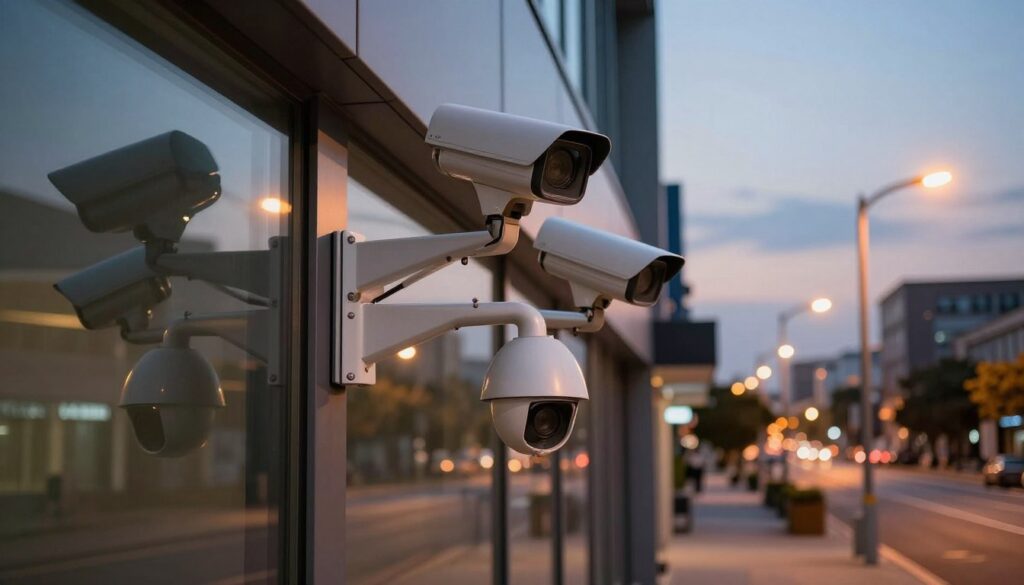
Drivers need to balance security with others’ privacy. Using surveillance cameras in our daily drives is common. But, we must know the privacy laws to avoid legal trouble.
Recording in Public vs. Private Spaces
Privacy laws change based on where you are. On public roads, recording is often okay for safety. But, it’s different in private areas or parking lots.
Be careful when recording people in private spots. State-specific regulations control how you can use this footage. Make sure your camera is focused on the road, not on people.
Consent Laws: What States Require
Recording audio is more complex than video. Many places have strict rules about audio recording. For example, Maryland requires everyone’s consent before recording audio.
If you have passengers, tell them if you’re recording audio. Not getting consent in strict privacy laws areas can cause big problems. It’s best to turn off audio recording if you’re not sure about the laws.
| Recording Type | Public Space | Private Space |
|---|---|---|
| Video Recording | Generally Permitted | Use Caution |
| Audio Recording | Consent Often Required | Strict Consent Needed |
| Legal Risk | Low | High |
Following these state-specific regulations helps us use surveillance cameras wisely. Knowing the laws keeps our dash cam use safe and legal.
Dash Cam Evidence in Legal Proceedings
Knowing how your dash cam footage stands up in court is key for every driver. With digital recording tech in cars, courts use these devices to recreate traffic incidents. Whether it’s a small crash or a big one, having a clear record can change the legal outcome.
How Dash Cam Footage is Used in Court
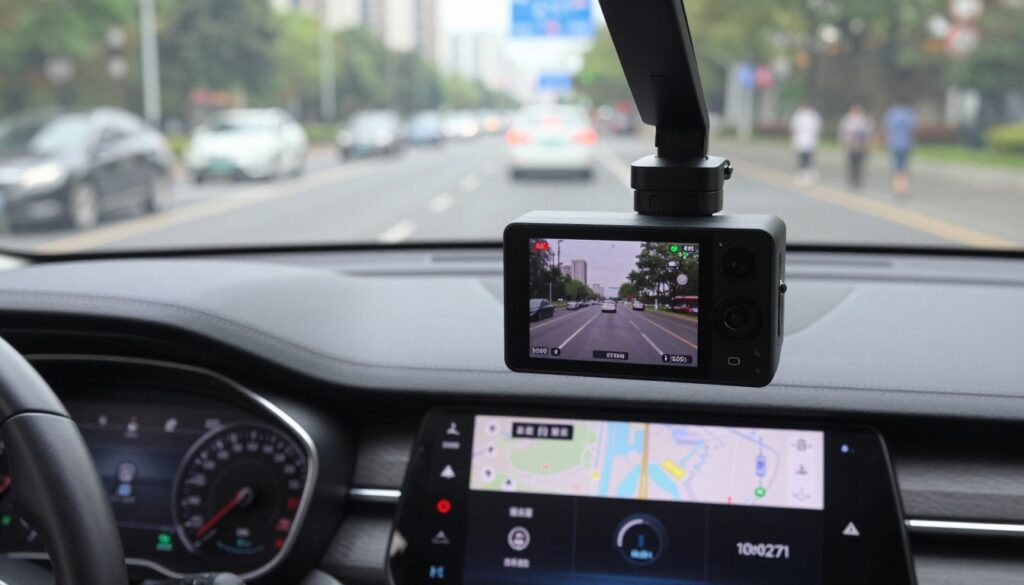
In many places, dash cam videos are the main truth when people disagree. Lawyers use them to show who was at fault, speeds, and what happened before a crash. For example, in North Carolina, police might take dash cams as evidence to check the scene.
It’s important your dash cam works right to give good data. If you’re driving in bad weather, your camera might catch important road dangers. Keeping your footage clean and clear helps protect you in legal cases.
“Digital evidence acts as an impartial witness, providing a clear window into the moments that define liability in a court of law.”
Admissibility of Dash Cam Footage
If your video can be used in court, it depends on local privacy laws. You can record the road, but you must respect others’ privacy. Courts usually accept videos from public places, but some states have rules that might make your video not count.
To keep your evidence good, think about these things judges look at:
- Authenticity: The video must be real and not edited without permission.
- Chain of Custody: Who had the device after the incident.
- Legal Compliance: Following state rules for recording and surveillance cameras.
Knowing about privacy laws helps you avoid legal trouble. By following the right steps, your dash cam can be a strong tool, not a problem, in court.
Insurance Benefits of Using Dash Cams
Dash cams are more than just recording devices. They are powerful tools that help manage your car expenses. Many insurance companies see drivers with dash cams as safer and more responsible.

How Dash Cams Can Lower Insurance Rates
Installing a dash cam can save you a lot of money on insurance. Insurance companies give discounts to those who use dash cams. For example, in New York, you can get a 5% discount on car insurance with a dash cam.
This discount shows how much insurance companies trust video evidence. It helps them settle claims faster. Check with your insurance provider to see if they offer similar discounts.
Reporting Accidents Made Easier
Accidents can be stressful and confusing. But, a dash cam makes reporting them much clearer. Clear video evidence helps adjusters figure out who’s at fault quickly.
Dash cams also prevent insurance fraud. They record everything that happens, protecting you from false claims. This means your insurance company can handle your claims more accurately and quickly.
| Benefit Category | Impact on Claims | Financial Outcome |
|---|---|---|
| Fraud Prevention | High deterrence | Lower premiums |
| Liability Proof | Immediate clarity | Faster settlements |
| Policy Discounts | Verified usage | Direct cost savings |
Dash Cam Features to Consider
When you choose to put a camera in your car, knowing the tech specs is key. It’s as important as knowing the legal rules for dash cams. You need to find a balance between top-notch performance and following local laws. For example, in Arizona, screens can’t be too big on the driver’s side to keep the view clear.
Video Quality and Storage Options
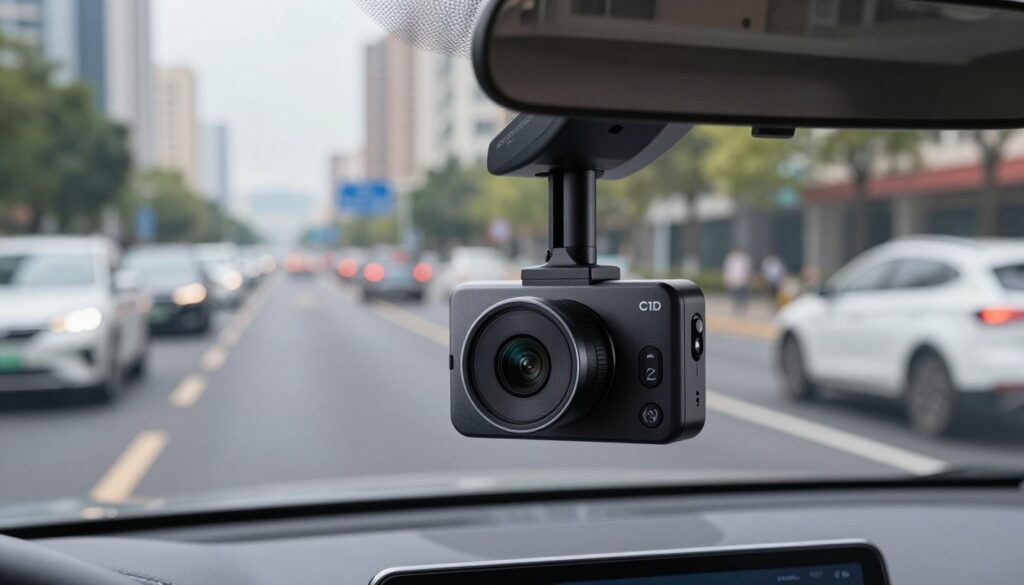
It’s important to have high-definition video to capture important details like license plates and road signs. Look for at least 1080p resolution to get clear footage in different light conditions. Also, think about how much space you’ll need for your videos, as they take up a lot of room on memory cards.
Most dash cams use loop recording to keep your memory card from filling up. This means the oldest files get deleted to make room for new ones. Make sure your device can handle high-capacity microSD cards to avoid losing data.
GPS Tracking and Accident Detection
GPS tracking adds an extra layer of safety by recording where you are and how fast you’re going during an accident. This info can be very helpful in court as it proves where you were. Also, the built-in G-sensors can detect sudden impacts and save the video automatically.
These vehicle recording devices help keep important evidence safe. By choosing a device with these features, you can increase your chances of getting a fair deal in insurance claims. Here’s a quick guide to the main features to look for in your next dash cam.
| Feature | Primary Benefit | Recommended Spec |
|---|---|---|
| Video Resolution | Clarity of evidence | 1080p or 4K |
| G-Sensor | Automatic event saving | Adjustable sensitivity |
| GPS Module | Location/Speed logging | Integrated or external |
| Storage | Recording duration | 128GB+ High Endurance |
The Future of Dash Cam Legislation
Dash cam technology is becoming common in cars, leading to changes in laws. States are updating their rules to balance safety and privacy. They aim to make laws that keep drivers focused and encourage using tech for safety.

Trends in Regulation Across the U.S.
States are moving towards uniform rules for dash cams. Federal land already has rules, like 41 CFR 102-74-420, for photography and recording. This sets a standard for local areas to follow.
Important trends include:
- Clear rules on where to place dash cams to avoid blocking the driver’s view.
- Clearer privacy expectations in public areas.
- More use of digital evidence in traffic courts.
Potential Changes in Dash Cam Laws
We think dashcam regulations will get more uniform for easier travel. There’s talk about making dash cams mandatory in certain areas, like our analysis on mandatory dash cams in commercial vehicles. This could lead to changes in laws for personal use too.
Future laws might cover:
- Mandatory data encryption to protect privacy.
- Standard ways to send footage to police.
- Clear rules for when dash cams are exempt from distracted driving laws.
Keeping up with dashcam regulations helps you stay legal. By watching legislative changes, we can use tech safely and legally in the future.
Tips for Choosing the Right Dash Cam
Choosing the right dash cam is about finding the right balance. You need to think about your budget and the laws in your state. Make sure to check dash cam laws by state before you buy. This ensures your camera follows local rules.
Knowing your local area well is key to happiness with your dash cam. Pick features that match your daily drive. This way, you save money and stay safe.
Factors to Consider Before Purchase
The design of the dash cam is very important. For example, in Pennsylvania, cameras without screens or with screens that can be turned off are best. This helps avoid distractions while driving.
Visibility and mounting options are also critical. Make sure the camera doesn’t block your view. This is a big issue in many places.

Think about the camera’s storage and loop recording. A good camera will automatically delete old footage. This saves you from having to manage files yourself.
Recommendations for Different Budgets
We’ve sorted options for different budgets. Whether you want basic protection or advanced features, there’s something for everyone.
| Budget Tier | Key Features | Best For |
|---|---|---|
| Entry-Level | 1080p resolution, loop recording | Basic accident documentation |
| Mid-Range | GPS tracking, night vision | Frequent commuters |
| Premium | 4K video, cloud storage, parking mode | Maximum security and detail |
Getting a reliable dash cam gives you peace of mind while driving. Always check that your camera meets your area’s needs. This ensures your footage can be used in court.
Best Practices for Dash Cam Usage
When you install a dash cam, you need to mix technical skill with strict rules about visibility. Setting it up right is key to a good recording system. It keeps you in line with local driving laws. Make sure it’s mounted well to keep your view clear and capture all important moments.
Proper Placement and Installation
Many drivers put their cameras in the wrong spot, blocking their view. Laws in many places say where you can and can’t put things on your windshield. For example, Minnesota says you can only put things in the area behind, above, or below the rearview mirror.
Before sticking it down for good, test where you’ll put it. Sit in the driver’s seat to make sure it doesn’t block your view. A clear view is key for your safety and following the rules.
How to Avoid Legal Issues
Knowing the latest driving laws is the best defense against fines. Laws can change, so check your state’s rules often. This way, your dash cam stays a useful tool, not a problem.
Don’t forget to keep your dash cam in good shape. Test it every week to make sure it’s working right and the storage card is okay. Update your software and clean the lens to keep your footage clear and ready for any situation.
Conclusion: Navigating Dash Cam Laws
Understanding dash cam laws is key to safe driving. Knowing the rules in your state helps you use tech for better road safety.
Staying Informed as a Driver
Dash cam laws change with new tech and privacy concerns. Check your local DMV website often for updates. Knowing the laws helps you avoid legal trouble.
The Importance of Compliance and Responsibility
Using a dash cam means respecting others’ privacy. Follow state rules for ethical recording. This balance makes driving safer for everyone.
FAQ
Are vehicle recording devices legal to use in all 50 states?
Yes, dash cams are legal in all states. But, each state has its own rules about where and how to mount them. For example, Minnesota and California have strict rules to avoid blocking the driver’s view.
How do privacy laws impact the use of dash cams with audio recording?
Privacy laws matter when recording sound. In some states, like Maryland, you need permission to record private talks. It’s best to turn off the microphone or post a notice to follow the law.
Can dashcam regulations change depending on where I am driving?
Yes, they can. Federal and state laws vary. Arizona limits screen size to prevent distraction. Always check the laws of the state you’re in.
Will my insurance provider offer a discount if I install a dash cam?
Not all insurers offer discounts. But, some states like New York might. Even without a discount, a good dash cam can save you money by proving your innocence in accidents.
Is dash cam footage always admissible in legal proceedings?
Courts often accept dash cam video as evidence. But, it must be recorded legally. If it’s not, a judge might not allow it. Keep your recordings safe and untouched.
What should I look for in a device to ensure it meets legal requirements by state?
Look for a device that’s small and easy to mount. Devices that fit behind the rearview mirror are good for states like Pennsylvania. Make sure it doesn’t block your view.

Hello! I’m Moheen Iftikhar, the founder of «CarMotivei». I’m dedicated to covering modern automotive trends, new car technologies, and useful driving insights to keep car lovers updated and motivated. Here, you’ll find detailed car reviews, expert automotive content, and helpful tips for drivers and enthusiasts alike.