


Ex Lease Cars: Pros and Cons of Buying Fleet Vehicles from Auctions
Looking for a good deal on a car? Ex lease cars might be your ticket. They offer reliable rides at a lower price than new cars.
But buying fleet vehicles at auctions is more than just bidding. It’s important to know the good and bad sides. This way, you can make a smart choice.
Before diving into fleet vehicle auctions, do your homework. Use a reliable used car value to set a fair price. This helps you stay within your budget in a competitive setting.
Our guide will walk you through everything. From checking the car’s history to getting the title. With this knowledge, you can find a great car that fits your budget.
Key Takeaways
- Ex lease units often feature consistent maintenance records, which can lower your long-term ownership risk.
- Always verify the vehicle history report to identify any mechanical issues before bidding.
- Using professional valuation tools helps you stay competitive during bidding.
- Physical inspections are key, as many items are sold without warranties.
- Knowing the title transfer process in your state avoids future problems.
Understanding Ex Lease Cars
Looking for reliable cars, we often see ex lease cars. These cars make up a big part of the used market. But, many buyers don’t know much about them.
These cars were once used by companies, rentals, or governments. After a set time, they go back to the lessor. Then, they’re sold to the public.
What are Ex Lease Cars?
These cars are owned by groups, not individuals. They’re part of a commercial fleet. This means they follow strict rules.
They’re kept in top shape through regular checks. This is why many people choose used fleet vehicles for their needs.
How Are They Different from Other Used Cars?
The main difference is in who owns them and the records they keep. Fleet cars have detailed digital records. Private cars might not have such clear records.
This makes it easier to know a car’s history. Below is a table showing the main differences between these cars.
| Feature | Ex Lease Fleet Vehicle | Private Used Vehicle |
|---|---|---|
| Ownership | Corporate/Government | Individual/Family |
| Maintenance | Strict, Scheduled | Variable/Owner-Dependent |
| Documentation | Comprehensive Records | Often Incomplete |
| Usage Type | Professional/Commuter | Personal/Mixed |
Knowing these differences helps us make better choices. Buying used fleet vehicles means you get cars that are well-maintained. But, you might miss out on a car’s personal story.
The Appeal of Auctions for Fleet Vehicles
Looking to grow your fleet? Auctions are a great option. They offer advantages that retail can’t match. Auctions are where many corporate assets are sold in bulk.
By buying fleet vehicles at auctions, you get access to fresh, well-maintained inventory. This is because auctions are constantly updated with new vehicles.
Cost Benefits of Buying at Auction
Buying at auctions can save you a lot of money. Leasing companies sell in bulk to make more money. This means you can buy vehicles at lower prices than usual.
These savings come from the large number of sales. It reduces the costs that come with selling one vehicle at a time.
“The most successful buyers are those who treat the auction floor as a strategic partner, not just a place to find a bargain.”
While the initial price is good, remember the total cost of ownership. Compare auction prices with certified pre-owned vs used cars. This helps ensure your budget matches your maintenance needs.
Variety of Vehicles Available
Fleet auctions offer a wide range of vehicles. Unlike local lots, they have many makes and models. These vehicles have been used for different corporate needs.
This variety lets you tailor your fleet to your exact needs. Whether you need fuel-efficient cars or heavy-duty trucks, auctions have it all. You can find the perfect vehicle for your operations.
Transparency in Bidding Process
The bidding process is clear and efficient. But, it requires some preparation. Many dealer auctions are closed to the public. You might need to work with a broker to get in.
Brokers know how to navigate the auction system. They help you make smart bids. Inside, you can see what others are willing to pay. This helps you avoid overpaying for your fleet additions.
Pros of Buying Ex Lease Cars
Many people find that benefits of purchasing ex lease cars are greater than the drawbacks. When we look at the pros and cons of used cars, these fleet vehicles stand out. They are a great choice for those on a budget.
Lower Price Points
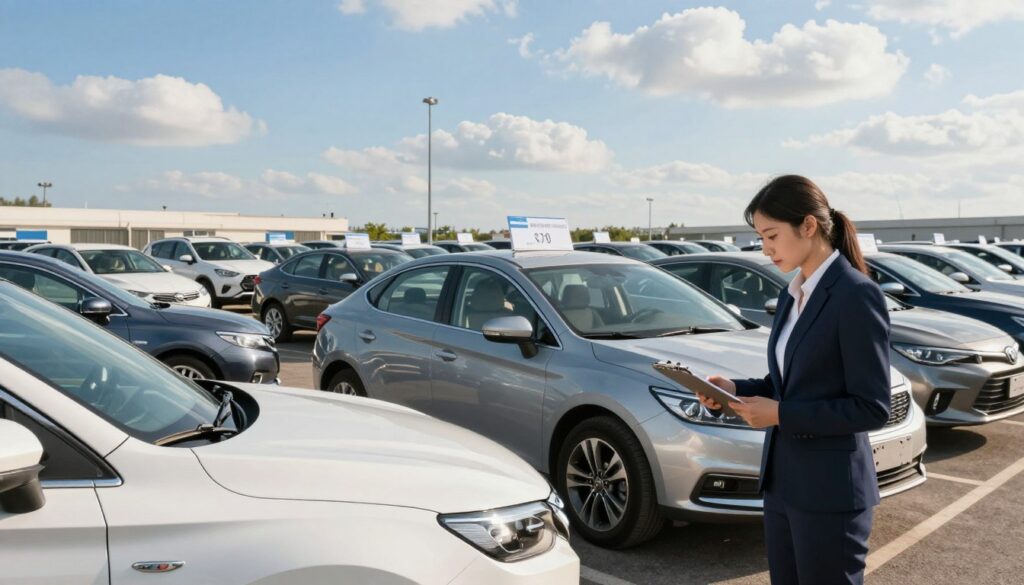
One big reason to consider these cars is the cost savings. Fleet managers sell lots of cars at once, which lowers the price. This makes ex lease cars cheaper than similar models at regular dealerships.
Because of this, we can get newer cars for less money. The cars have already taken the biggest depreciation hit in the first few years. This means we save a lot of money.
Certified Maintenance History
Fleet vehicles are known for their clear past. They are usually sold when they are three to four years old. They also come with a documented service history.
Companies must follow strict maintenance schedules to avoid penalties. This means the cars have been well taken care of. They are a safer bet than cars from private sellers that may not have reliable records.
“Fleet vehicles represent a unique intersection of affordability and reliability, as they are maintained to a standard that private owners rarely match.”
Potential for Reliable Brands
With so many cars available, we can find reliable brands known for their quality. We look for popular models that have done well in corporate settings.
| Feature | Ex Lease Cars | Private Sales |
|---|---|---|
| Service Records | Certified/Complete | Often Incomplete |
| Vehicle Age | 3-4 Years | Variable |
| Pricing | Competitive/Fixed | Negotiable/Uncertain |
| Reliability | High (Fleet Standard) | Unknown |
By choosing these reliable brands, we reduce the chance of car problems. This smart choice helps our investment last longer and work better.
Cons of Buying Ex Lease Cars
Exploring fleet vehicle auctions comes with its own set of challenges. The financial benefits are tempting, but we must consider the pros and cons before making a decision. Knowing these drawbacks helps us avoid costly errors and make a wise investment.

Limited Warranty Options
One major drawback of buying from fleet vehicle auctions is the lack of a full manufacturer warranty. Most vehicles sold here are sold “as-is,” leaving us responsible for any repairs. Without a warranty, we need to plan for unexpected repair costs.
Higher Risk of Hidden Damage
Many vehicles sold at these auctions have been in rental fleets, which are often in poor condition. They may have been driven harshly and not well maintained. To avoid this, using a pre-purchase inspection checklist is essential to find hidden problems before bidding.
Variable Vehicle Condition
The condition of fleet vehicles can vary greatly. Some are well-kept, while others are worn out. Without the chance to test drive them fully, we must do our homework. A thorough inspection is key to avoiding overpaying for a car that needs a lot of work.
| Vehicle Source | Maintenance Quality | Risk Level |
|---|---|---|
| Corporate Lease | High | Low |
| Government Fleet | Moderate | Medium |
| Rental Agency | Low | High |
Evaluating Auction Processes
Entering the world of auctions for vehicles is a high-stakes game. It requires preparation and a sharp eye for detail. Knowing the auction process well helps us avoid common pitfalls and find great deals.
Steps in the Auction Process
The first step is registration, where we provide the needed documents to enter the bidding area. Then, we inspect the vehicles before bidding starts.
When bidding begins, we must stay focused to not spend too much. The auction ends quickly, and the winner must pay right away.

What to Expect at a Fleet Auction
Fleet auctions are fast and intense. Decisions are made quickly, so we can’t hesitate. It’s a high-pressure situation where staying focused is key.
Another important thing is the financial side. We need to pay all fees and commissions immediately. These include buyer’s premiums and other charges.
Not accounting for these extra costs is a major drawback of buying from fleet vehicle auctions. It’s wise to add these costs to our budget before bidding. Being organized helps us feel confident and clear in our bidding.
Key Considerations Before Bidding
Buying fleet vehicles is exciting, but we must plan carefully. A good strategy is key to making our investment profitable and reliable. This is important for our daily operations.

Budgeting for Auction Fees
The cost of auctioned fleet cars is more than just the bid. We need to think about hidden costs that can add up quickly if we’re not ready.
- Buyer Premiums: Auction houses often charge a fee on top of the bid price.
- Administrative Costs: Fees for documents and title processing are common.
- Logistics: Transporting the vehicle to our facility also costs money.
Researching Vehicle Histories
It’s important to check the background of each vehicle before bidding. Using professional reports helps us find past accidents or damage that’s not obvious.
Checking the VIN against national databases is a must. It helps us avoid mechanical or legal problems.
Assessing Vehicle Suitability for Our Needs
Not every vehicle fits our needs perfectly. We look at its use, fuel efficiency, and mileage to make sure it meets our goals.
| Criteria | High Priority | Low Priority |
|---|---|---|
| Mileage | Under 60k | Over 100k |
| Fuel Type | Hybrid/Electric | Gas Guzzler |
| Maintenance | Full Records | Missing Logs |
By doing our homework, we lower the risk of surprises. This careful planning helps keep our fleet efficient and affordable for the future.
Financing Options for Fleet Vehicles
We need to look at our funding options carefully to get the most from benefits of purchasing ex lease cars for our growing needs. Getting the right financial support is key to getting reliable fleet vehicles without using up all our money.

Traditional Loans vs. Auction Financing
When we look at the market, we often pick between bank loans and auction financing. Bank loans usually have lower interest rates but take a long time to get approved. This can be a problem when we’re in a hurry at live auctions.
Auction financing, on the other hand, is made for fleet buyers like us. These lenders get what we need fast. They give us pre-approval letters so we can bid with confidence.
“Financial discipline is the bridge between our current operational capacity and our future growth goals.”
Leasing Options for Ex Lease Cars
Leasing is a smart choice that lets us keep our money while getting the vehicles we need. With leasing, our monthly payments are often lower than loan payments. This helps us manage our money better.
Leasing is great when we need to grow our fleet fast. We’ve made a table below to show the main differences between these options. It can help us decide what’s best for us:
| Feature | Traditional Loan | Auction Financing | Leasing |
|---|---|---|---|
| Approval Speed | Slow | Fast | Moderate |
| Ownership | Immediate | Immediate | End of Term |
| Capital Impact | High Initial Cost | Moderate | Low Monthly Cost |
The best choice depends on our current money situation and our fleet plans for the future. Whether we buy ex lease cars or lease them, having a solid financial plan keeps our business flexible and competitive.
Post-Purchase Actions
After we win a bid, we start the work of adding the vehicle to our fleet. We quickly move into the post-purchase phase to protect our investment. This ensures our used fleet vehicles are safe, legal, and ready for the road.
Importance of Maintenance Checks
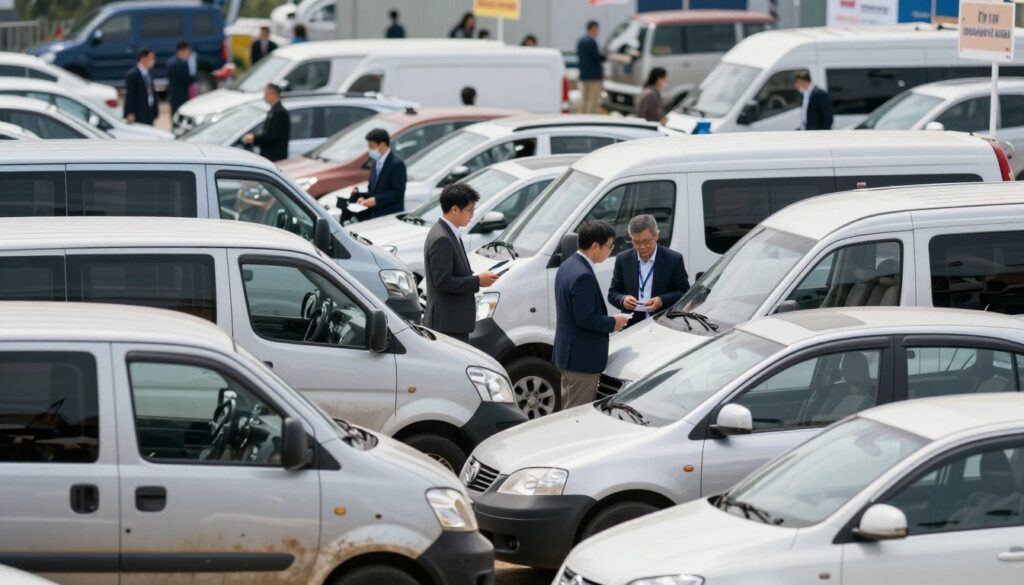
Fleet vehicles get more miles than personal cars, so a detailed inspection is key. We do a full mechanical check to find any maintenance issues missed at the auction. Fixing these problems early saves money and makes our vehicles last longer.
Here are the main things we check during our first inspection:
- Fluid levels and quality: We check oil, transmission fluid, and coolant.
- Tire condition: We look at tread depth and wear patterns.
- Brake system: We check pad thickness and rotor health for safety.
- Battery health: We test charge capacity to avoid failures.
Registration and Title Transfer Process
Handling the paperwork is as important as the mechanical check. We need to register and transfer the title quickly to follow the law. Not doing this right can cause fines or delays for our used fleet vehicles.
We collect all needed documents from the auction house right away. We make sure the title is clear and the bill of sale info matches our records. This keeps our used fleet vehicles legal and ready for work.
Comparing Auctions to Other Buying Methods
Many buyers face a tough choice between dealerships and fleet vehicle auctions. It’s important to know the market and how much risk you’re willing to take. Each option affects your budget and the car’s reliability over time.
Dealerships vs. Auctions
Buying from a dealer means convenience and peace of mind. Dealers offer a smooth process, financing help, and warranties. But, these perks often mean higher prices than auctions.
Fleet vehicle auctions offer a huge selection not seen on retail lots. While you miss the dealership’s comfort, you get to bid on cars at their true value. This is great for those who like to research before bidding.
Private Sales vs. Fleet Auctions
Private sales seem easy, but they lack the clarity we need. Unlike fleet sales, private sellers often don’t share maintenance records. This can lead to surprise costs.
Choosing auctions means you get cars that have been well-maintained. Fleet managers keep these vehicles in top shape. This gives you a big advantage over private sales.
| Buying Method | Price Point | Service History | Convenience |
|---|---|---|---|
| Dealership | Higher | Verified | High |
| Private Sale | Variable | Often Missing | Low |
| Fleet Auctions | Wholesale | Documented | Moderate |
Tips for Successful Auction Participation
Successful buyers at vehicle auctions prepare well before bidding starts. It’s not just luck; it’s about careful planning and financial discipline. Knowing the auction process well helps us get the best value.
Preparation Strategies
We start by setting a maximum price for each vehicle. This price includes repair costs, auction fees, and market value. It’s important to stay calm and not bid too high.
Researching vehicle histories is also key. If unsure, we look at resources like is buying a car at auction worth it or too risky. This way, we know what we’re buying before bidding starts.
“The secret to winning at auctions is knowing when to stop. Discipline is the bridge between a smart investment and a costly mistake.”
Understanding Bidding Tactics
During the auction, staying calm is essential. Many get too excited and bid too high, losing money. We start with low bids and watch how others react.
Knowing when to stop is critical. If the price goes over our limit, we stop bidding. This way, we only buy what we can afford.
| Strategy | Action | Goal |
|---|---|---|
| Set Limits | Define max bid | Prevent overspending |
| Observe | Watch competitors | Gauge market interest |
| Exit | Stop at limit | Maintain profitability |
Conclusion: Are Ex Lease Cars Right for Us?
Looking for used cars needs a solid plan and a focus on what we really need. The choice depends on our needs and how comfortable we are with the bidding process.
Strategic Insights for Fleet Buyers
Buying used fleet vehicles has its perks. It means we get clear maintenance records and know what to expect. Using sites like eCarsTrade opens up a big selection. This is a wise choice if we do our homework before bidding.
Making an Informed Decision
Doing well in this market means we understand appraisal reports and the car’s history. We need to stick to our budget and think about the total cost of owning a car. With patience and planning, we find dependable cars that meet our needs without breaking the bank.
FAQ
What defines ex lease cars, and why should we consider them for our fleet?
A: Ex lease cars are vehicles from corporate or commercial portfolios, like Toyota Financial Services or Hertz. They are maintained strictly, unlike regular used cars. This makes them a good choice because of their detailed service history.
What are the primary pros and cons we should weigh before buying fleet vehicles?
The pros include certified maintenance history and lower prices. The cons are limited warranty options and hidden damage. Weighing these helps decide if the savings are worth the risks.
How do fleet vehicle auctions differ from traditional retail channels?
A: Fleet vehicle auctions like Manheim or Adesa are fast markets for leasing companies. They offer a wide variety of inventory but are mostly dealer-only. We need professional brokers to bid.
What specific benefits of purchasing ex lease cars make them a safer investment?
Buying ex lease cars means knowing their condition. Companies like Enterprise or Ford Credit maintain them well. This makes them reliable and long-lasting.
What are the most common drawbacks of buying from fleet vehicle auctions?
The main drawbacks are the “as-is” sales and hidden damage. With limited time for inspections, thorough research is key.
How do we navigate the financial obligations of purchasing auctioned fleet cars?
We must consider auction fees, premiums, and costs. Comparing bank loans and auction financing helps manage these expenses.
What steps should we take immediately after winning a vehicle at auction?
After winning, we focus on post-purchase actions. We do a comprehensive maintenance check and start the registration and title transfer process. This ensures the vehicle is ready for our fleet.

Hello! I’m Moheen Iftikhar, the founder of «CarMotivei». I’m dedicated to covering modern automotive trends, new car technologies, and useful driving insights to keep car lovers updated and motivated. Here, you’ll find detailed car reviews, expert automotive content, and helpful tips for drivers and enthusiasts alike.