


High Mileage Cars Maintenance Tips to Keep Them Running Past 200k Miles
Reaching 200,000 miles on your car is a big deal. It shows years of memories and reliable service. But it’s not just luck; it’s about caring for your vehicle.
Looking after your car is simple but essential. By following these high mileage cars maintenance tips, you can save money on repairs. Keeping your car in good shape means it stays safe and efficient.
Before buying a used car, check for known engine and transmission issues. Knowing your car’s history helps you care for it better. With the right care, your car will last for many years.
Key Takeaways
- Stick to a regular service schedule to catch problems early.
- Use an OBD-II scanner to find hidden fault codes.
- Watch for engine vibrations or odd noises during drives.
- Look up common issues in your car model to plan for repairs.
- Keep a record of all service to keep your car’s value up.
Understanding High Mileage Cars
When your car hits 200,000 miles, it’s a big deal. It shows how well-made modern cars are. But it also means your car needs extra care to keep running well.
What Qualifies as a High Mileage Car?
In the car world, a car is considered high mileage at 100,000 miles. But today, many cars can go over 200,000 miles with the right care. Using high mileage cars maintenance tips helps keep our cars safe and efficient for longer.
“A well-maintained vehicle is not defined by the number on the odometer, but by the quality of the care it receives throughout its life.”
Common Issues Faced by High Mileage Cars
As cars get older, parts wear out, affecting how they run. We see certain parts start to show their age, needing extra attention to avoid big problems. Knowing these issues is key to keeping high mileage cars in top shape.
- Engine Seal Degradation: Rubber gaskets and seals often harden or crack, leading to oil leaks.
- Suspension Fatigue: Struts, shocks, and bushings lose their ability to absorb road impact, affecting ride quality.
- Cooling System Wear: Hoses and radiators become brittle, increasing the risk of overheating.
- Electrical Gremlins: Wiring and sensors may develop connectivity issues due to heat exposure over time.
By watching for these issues early, we can stop small problems from becoming big ones. Regular checks help our high-mileage cars keep going strong on every trip.
The Importance of Regular Maintenance
Regular care is key for owners aiming to hit the 200,000-mile mark with their high mileage vehicles. While newer cars might be more lenient, older cars need strict maintenance to stay reliable.
Why Regular Maintenance Matters
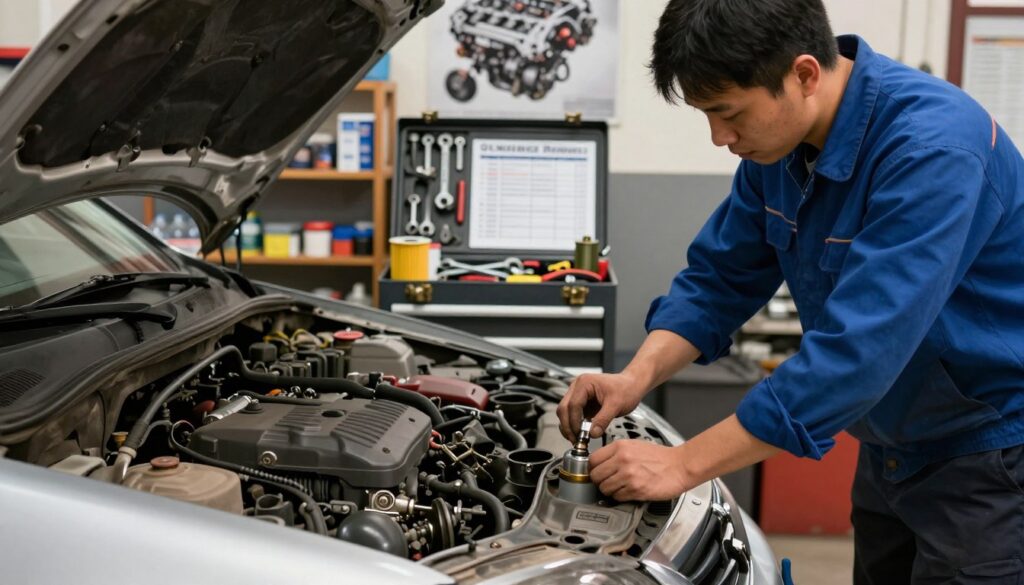
Following the recommended service schedule is the best way to protect your engine and drivetrain. It prevents small problems from turning into big catastrophic mechanical breakdowns.
Regular checks help spot small leaks, worn belts, or degrading fluids early. This way, you can fix them before they cause major issues. If you’re looking for a new car, a pre-purchase inspection checklist can help evaluate its long-term health.
Understanding Maintenance Schedules
Every owner should treat their vehicle’s service manual as a roadmap for longevity. Mastering vehicle maintenance for high mileage is more than just oil changes. It involves a thorough check of all critical parts.
We suggest keeping a log to track your service history. This ensures you never miss important milestones, like:
- Timing belt or chain inspections.
- Transmission fluid flushes.
- Coolant system pressure tests.
- Suspension component lubrication.
By sticking to these intervals, you give every part of your car the right attention at the right time. Consistency is the key to keeping your older vehicle running smoothly for years.
Engine Care for High Mileage Vehicles
For high mileage vehicles, the engine is key. It faces years of heat and friction. It needs special care to keep running well. Ignoring this can cause problems, which you can learn about in our engine noise identification chart.
Regular Oil Changes and Their Importance
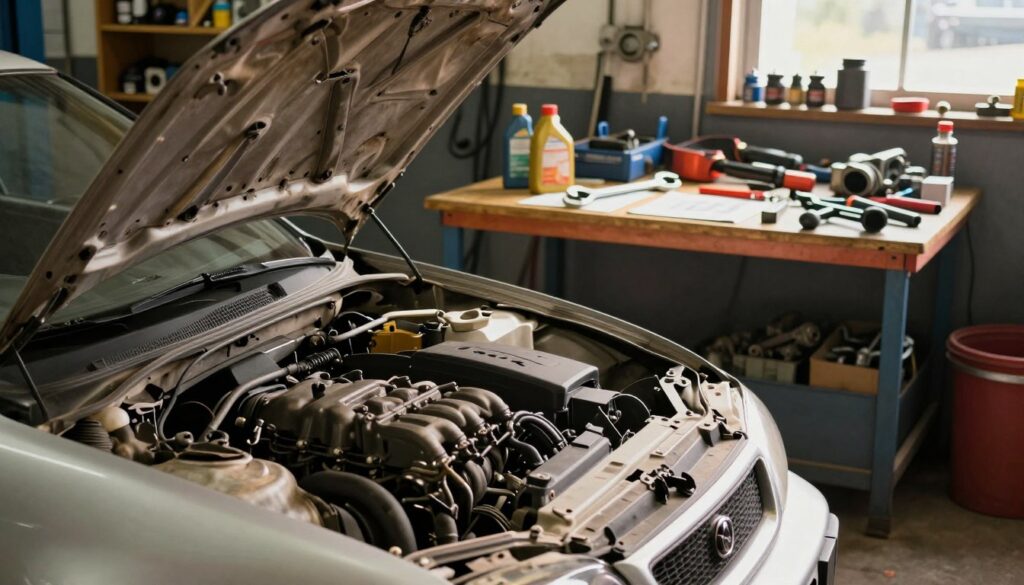
Oil is vital for your engine, keeping it lubricated and cool. Over time, it breaks down and can’t protect metal surfaces. Regular oil changes are key to removing dirt and preventing sludge.
Sticking to a schedule helps avoid engine damage. Modern oils also help reduce harmful emissions. This simple step is a top tip for maintaining high mileage cars.
Using the Right Engine Oil
Picking the right oil is critical for high-mileage engines. High-mileage oils have additives that prevent leaks. They’re made for engines with thousands of miles.
Check your owner’s manual for the right oil viscosity. Wrong oil can hurt fuel efficiency or not protect well in cold starts. Following these tips for maintaining high mileage cars will keep your engine strong for years.
| Oil Type | Best Use Case | Key Benefit |
|---|---|---|
| Conventional | Low-stress driving | Cost-effective |
| Synthetic Blend | Mixed conditions | Balanced protection |
| High Mileage | Over 75,000 miles | Seal conditioning |
| Full Synthetic | High performance | Maximum longevity |
Transmission Maintenance Tips
Driving cars over 200k miles means your transmission needs special care. It connects your engine to the wheels, so it’s key for smooth driving. Keeping it in good shape avoids expensive fixes and keeps your car running well.
Signs of Transmission Problems
Watch for signs your transmission might be failing. If your engine revs high but your car doesn’t speed up, it could be slipping. This usually means parts are wearing out from age and use.
Other signs include slow shifting from park to drive or grinding sounds when shifting. If you notice these, check a car problems diagnostics guide to find out why. Catching problems early stops them from getting worse.
Transmission Fluid Replacement Best Practices
Transmission fluid is vital for your car’s health. For cars over 200k miles, changing it regularly is a must. Old fluid can’t protect your gears, causing them to wear out faster.
Here are some tips for keeping your fluid in top shape:
- Check levels regularly: Look at your transmission fluid dipstick every month to make sure it’s clean and at the right level.
- Use manufacturer-approved fluid: Always use the fluid type your owner’s manual recommends for the best fit.
- Professional flushes: Get a certified tech to do a full flush every 30,000 to 60,000 miles to clean out dirt and debris.
Consistency is key for older cars. Fresh fluid reduces wear on seals and clutches, keeping your transmission reliable.
Braking System Upkeep
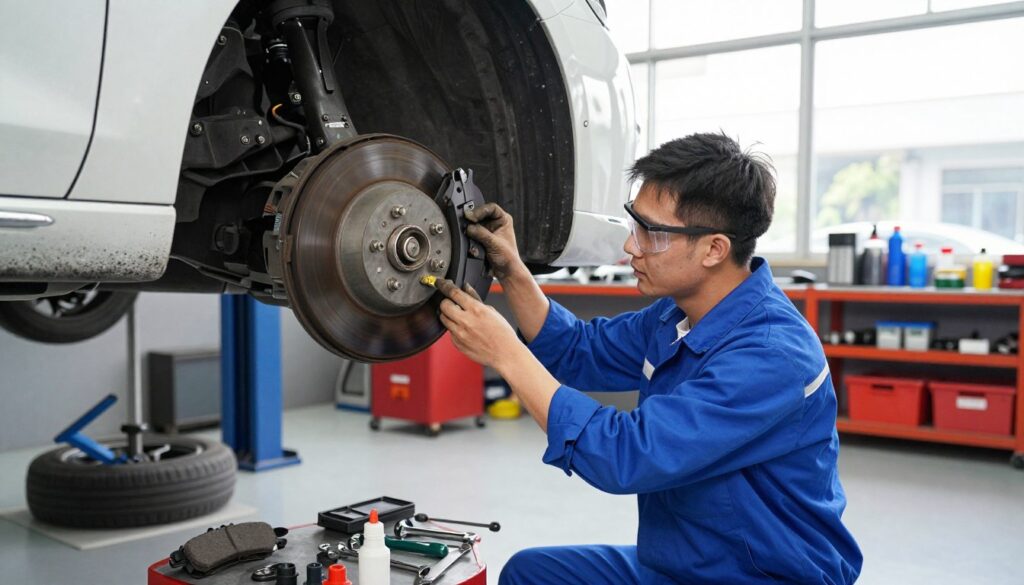
Keeping your braking system in top shape is key for safety, even more so for cars over 200k miles. As your car gets older, parts that help stop it wear out faster. We focus on these checks to keep your rides safe and smooth.
Importance of Brake Inspections
Regular checks help us spot problems early, before they’re a big risk. For cars over 200k miles, the brakes won’t work like they used to. Proactive maintenance catches issues like thin pads or corroded lines, keeping you safe.
We suggest a pro check at every oil change. This keeps your brakes, rotors, and pads in good shape. Skipping these checks can lead to costly fixes that could have been prevented.
Signs That Break Pads Need Replacement
Your car tells you when it needs something through sounds and feels. A high-pitched squeal means your pads are thin. If you ignore it, you could damage your rotors.
Feeling a vibrating pedal or a “spongy” brake pedal is a warning sign. If your car pulls to one side when stopping, it might mean uneven wear or a stuck caliper. For cars over 200k miles, these signs are serious.
| Symptom | Potential Cause | Recommended Action |
|---|---|---|
| High-pitched squeal | Worn brake pads | Replace pads immediately |
| Grinding noise | Metal-on-metal contact | Replace pads and rotors |
| Vibrating brake pedal | Warped rotors | Resurface or replace rotors |
| Soft or spongy pedal | Air in hydraulic lines | Bleed the brake system |
Don’t ignore dashboard lights; they’re early warnings of trouble. By being alert, we keep our cars over 200k miles safe and reliable on the road.
Tire Care and Alignment
We think tire maintenance is key to keeping your car running long. Your tires are the only part touching the road, so they’re very important. If you ignore them, your car might not handle well and could wear out faster.
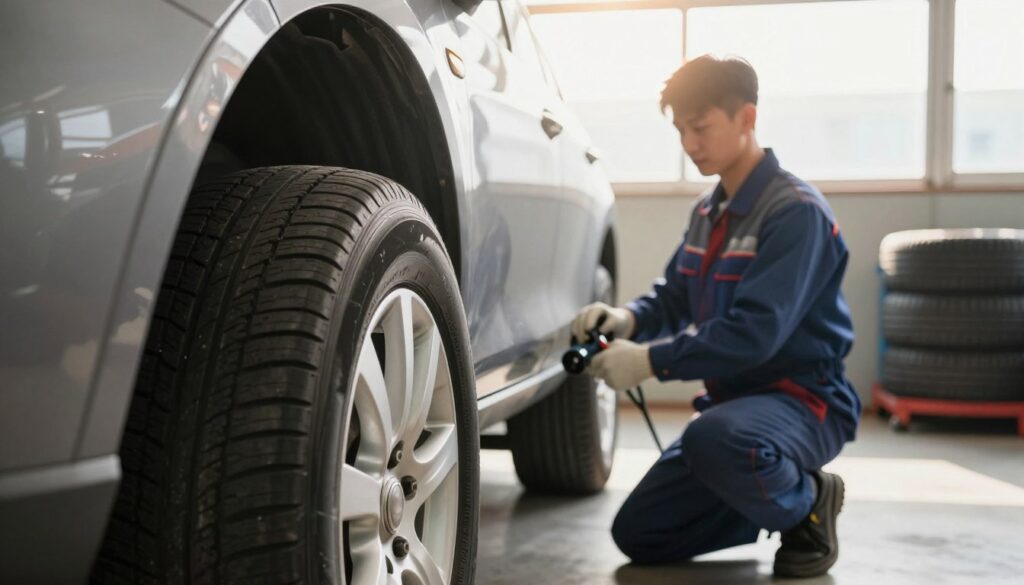
To make your car last 200,000 miles, check it regularly. This keeps your car safe and running well for a long time.
Importance of Proper Tire Pressure
Keeping your tires at the right pressure helps your car use less fuel. Under-inflated tires make your car work harder, which can damage it more. This can shorten your car’s life.
Check your tire pressure every month with a good gauge. Look for the recommended PSI on a sticker inside the driver’s side door. Proper inflation means better grip and stability on the road.
How to Maintain Tire Alignment
Misaligned tires can harm your car’s high mileage. If your car pulls to one side or the steering wheel is off, it’s out of alignment. This causes uneven wear on your tires, leading to more frequent replacements.
Have a pro check your car’s alignment every other oil change. This keeps your car’s angles right, reducing wear and tear. It’s a simple step to keep your car running smoothly for years.
Cooling System Maintenance
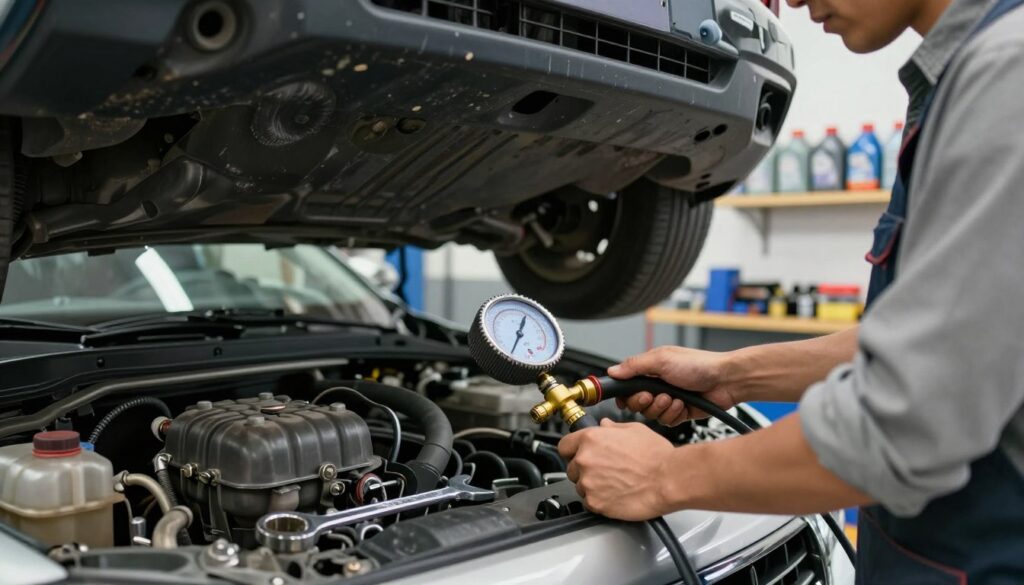
Keeping your car’s cooling system in good shape is key to prolonging car lifespan. The radiator, water pump, and thermostat work together to prevent overheating. This is a major cause of damage in older cars. By following these high mileage car tips, you can keep your car running well for years.
Signs of Cooling System Problems
Watch out for signs that your cooling system is failing. A fluctuating temperature gauge on your dashboard is a clear warning. You might also see sweet-smelling coolant puddles or steam from the hood.
“An engine is a heat machine, and without a properly functioning cooling system, it will eventually destroy itself from the inside out.”
If you see these signs, get help right away. Ignoring them can lead to costly repairs like a blown head gasket or a cracked engine block. Early detection is the best way to keep your car running.
Flushing the Cooling System
Over time, coolant loses its effectiveness and can pick up rust or debris. Flushing the cooling system removes these harmful substances. This ensures clean, fresh coolant can circulate efficiently, helping to prolong car lifespan.
It’s best to have a pro do this to avoid air pockets in the lines. Air pockets can cause overheating, even if the coolant looks full. Regular flushes keep your cooling system working well, protecting your engine from high-mileage driving stresses.
Electrical System Checks
Keeping your car’s electrical system in top shape is key to car care for high mileage. As cars get older, their electrical parts can wear out and get damaged. Regular checks can prevent your car from not starting when it’s cold.
Importance of Battery Maintenance
The battery is the heart of your car’s electrical system. Over time, it can lose its charge, which is worse in cold or hot weather. We suggest checking your battery’s voltage every six months to keep it working right.
Look for corrosion on the terminals. This can stop your car from getting power. Keeping these connections clean and tight is a simple but essential step. If your engine takes a long time to start, it might be a sign you need a new battery.
“A well-maintained electrical system is the difference between a vehicle that lasts for years and one that leaves you stranded on the side of the road.”
Keeping Electrical Components in Good Shape
Your alternator and starter motor work hard to keep your car running. High-mileage cars often wear them out, causing problems like dim headlights. Check the serpentine belt, as a worn or loose belt can stop the alternator from charging the battery.
Wiring harnesses can get brittle from heat. Regular checks for exposed wires or loose connections can prevent short circuits. This keeps your car reliable for many miles.
| Symptom | Potential Cause | Recommended Action |
|---|---|---|
| Dimming Headlights | Weak Alternator | Test Charging Output |
| Slow Engine Crank | Dying Battery | Load Test Battery |
| Flickering Dash Lights | Loose Ground Wire | Inspect Wiring Harness |
| Blown Fuses | Electrical Short | Trace Circuit Path |
Suspension and Steering System Care
As your car gets older, the suspension and steering systems wear out. This can make your ride less comfortable and less safe. Taking care of your car, even with high mileage, keeps it safe and smooth to drive.
Signs of Suspension Issues
Spotting worn parts early can save you money and keep you safe. If your car bounces a lot after hitting a bump, it’s time to check your shocks or struts. Also, if your car pulls to one side while driving straight, it’s a sign of a problem.
Look at your tires for uneven wear. This often means your suspension is failing. When your suspension can’t handle bumps, your whole car feels the stress. Keeping an eye out for these signs is key to car care for high mileage.
“The suspension system is the unsung hero of vehicle safety, keeping your tires in contact with the road and ensuring precise control during emergency maneuvers.”
How to Maintain Your Steering System
Keeping your steering system in top shape means checking your power steering fluid often. If the fluid looks dark or smells bad, it’s time for a flush. Also, check the steering rack and tie rods for any signs of wear or leaks during oil changes.
Proper wheel alignment is also important. It helps prevent wear on your steering parts and improves how your car handles. Regular car care for high mileage keeps your steering tight and accurate for a long time.
| Symptom | Potential Cause | Recommended Action |
|---|---|---|
| Excessive Bouncing | Worn Shocks/Struts | Replace Suspension Units |
| Pulling to One Side | Alignment Issues | Perform Wheel Alignment |
| Steering Vibration | Worn Tie Rods | Inspect Steering Linkage |
| Heavy Steering Feel | Low Steering Fluid | Check Fluid and Pump |
Fuel System Maintenance
Keeping your fuel system clean is key to a long-lasting engine. It ensures your engine gets the right mix of fuel and air for optimal combustion. This helps your car last longer.
Importance of Fuel System Cleanliness
Gasoline deposits can clog fuel lines and the combustion chamber over time. This can lead to poor engine performance and lower fuel efficiency. A clean system means your engine gets the fuel it needs, helping your car last longer.
A clean system also stops harmful carbon deposits on intake valves. If these deposits build up, they can cause engine knocking and rough idling. Regular maintenance keeps your car running like new, even at high mileage.
Tips for Maintaining Fuel Injectors
Fuel injectors can get clogged by impurities in the fuel. Using high-quality fuel additives can help. These cleaners remove varnish and carbon, ensuring a clean spray pattern for better performance.
Don’t let your tank get too low. Sediment settles at the bottom, and low fuel can draw it into your injectors. Keeping your tank at least a quarter full protects your system and supports increasing car longevity.
If you notice hesitation when accelerating, consider a fuel system flush. A clean fuel system is vital for any high-mileage vehicle. Taking these steps now can save you from expensive repairs later.
Planning for Resale and Upgrades
Managing a vehicle over many years requires a balance between routine repairs and strategic financial decisions. Keeping a detailed invoice folder helps us track every service. This is vital when it’s time to sell or trade in our cars.
Deciding When to Sell
We evaluate our vehicles based on repair costs versus current market value. If major components like the transmission or engine need constant attention, we look at the total cost of ownership. Increasing car longevity often depends on knowing when a repair provides lasting value.
Smart Upgrades for Long-Term Value
We prioritize upgrades that improve safety and efficiency to keep our vehicles reliable. Replacing worn engine mounts or upgrading to high-quality suspension components can make an older car feel new again. These targeted improvements are essential for increasing car longevity while maintaining a comfortable driving experience.
By staying proactive with our maintenance records and choosing quality parts, we ensure our vehicles remain dependable assets for years.
Frequently Asked Questions
What are the best high mileage cars maintenance tips for someone just hitting 150,000 miles?
Switch to high-mileage synthetic oil, like Mobil 1. Perform a thorough inspection of rubber components. Regularly check fluid levels to ensure your car reaches 200k miles.
Why is car care for high mileage different from standard maintenance?
Older cars have more prone seals and increased friction. High mileage care focuses on prevention, like using oil with seal conditioners and shorter inspection intervals.
Are cars over 200k miles safe for long road trips?
Yes, if well-maintained. A pre-trip inspection is recommended. With proactive maintenance, a 200,000-mile car can be as reliable as a newer one.
How does increasing car longevity affect the resale value of high mileage vehicles?
A well-maintained high mileage car retains more value. A documented service history can attract buyers willing to pay more.
What is the most important tip for maintaining high mileage cars on a budget?
Regular oil changes are the most cost-effective strategy. Clean oil prevents engine damage, saving you from expensive repairs.
Can prolonging car lifespan be achieved with DIY maintenance?
Yes, many tasks like changing air filters or checking tire pressure can be done at home. But, an annual professional check is recommended for complex issues.

Hello! I’m Moheen Iftikhar, the founder of «CarMotivei». I’m dedicated to covering modern automotive trends, new car technologies, and useful driving insights to keep car lovers updated and motivated. Here, you’ll find detailed car reviews, expert automotive content, and helpful tips for drivers and enthusiasts alike.