



Airbag Replacement Cost and Safety Precautions After an Accident
Dealing with a car crash can be really tough. Keeping your vehicle safe is key to protecting your family. Prioritizing your well-being means knowing about airbag deployment and how to fix your car.
When thinking about the airbag replacement cost, planning your budget is important. But, it’s also critical to take safety precautions after an accident to avoid more harm. For example, if you have kids, make sure they’re never in front of an active airbag. Check out the car seat installation guide step-by-step for rear-facing seats to keep them safe.
This guide will help you make smart choices about repairs. By following these tips, you can keep your car a safe place for everyone.
Key Takeaways
- Understand the financial impact of system restoration following a collision.
- Prioritize professional inspections to verify vehicle integrity.
- Learn why immediate replacement of damaged child restraints is mandatory.
- Recognize the dangers of active systems near rear-facing seats.
- Follow expert advice to maintain long-term passenger protection.
Understanding Airbag Functionality
We often overlook the technology that protects us on the road. These systems spring into action in a split second. They act as a shield between us and the car’s interior during crashes.
By understanding how these parts work, we value the automotive safety measures more. Taking good care of them ensures they work right when it matters most.
What Are Airbags?
Car airbags are key parts of a vehicle’s safety system. This system includes crash sensors, diagnostic units, and inflators that work together.
When crash sensors spot a sudden stop, they send a signal to the inflator. This starts a fast chemical reaction. It fills the airbag with gas, creating a cushion before the passenger hits the dashboard or steering wheel.
Types of Airbags in Modern Vehicles
Modern cars have many airbag types for better protection. Frontal airbags are common, but now there are more to cover all angles.
Today’s vehicles often have:
- Frontal Airbags: Protect the head and chest in head-on crashes.
- Side-Impact Airbags: In seats or door panels to protect the torso in side crashes.
- Curtain Airbags: Deploy from the roof to cover side windows, protecting heads in rollovers.
- Knee Airbags: Below the dashboard to prevent lower body injuries and keep passengers stable.
Each car airbag has its role in keeping us safe. Knowing this helps us see why expert checks and repairs are key after a crash.
Factors Influencing Airbag Replacement Cost
When your car needs a safety system update, the cost isn’t always the same. The airbag replacement cost changes a lot depending on your car’s design. Knowing these factors helps you get ready for the repair costs after an accident.
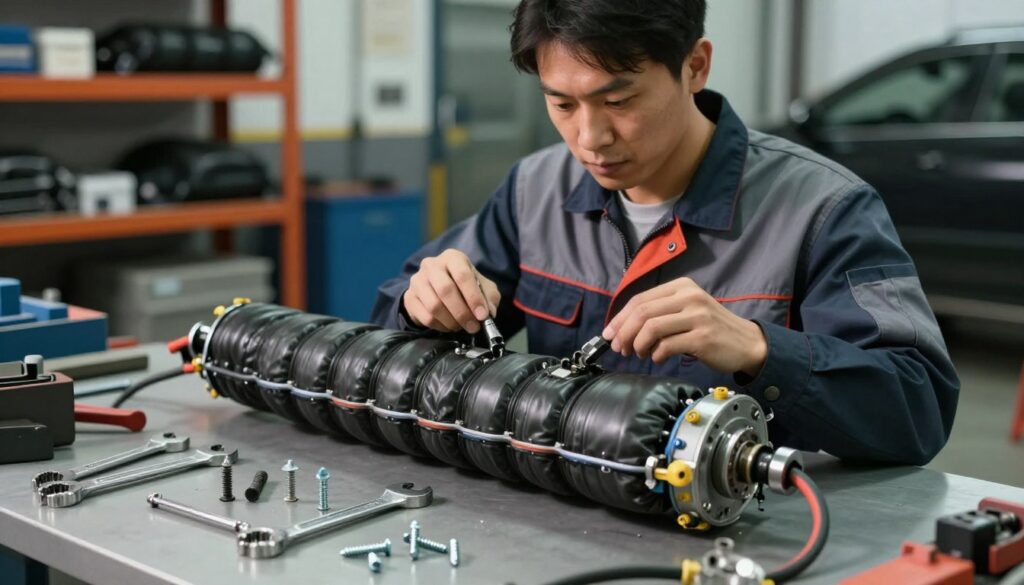
Vehicle Make and Model
The complexity of your car’s safety system affects repair costs. Luxury cars have advanced airbag systems that need careful setup. High-end models also have complex dashboards, making repairs take longer.
Before fixing your car, check its history. Use car recall check options with your vehicle ID to see if there are any issues from the maker.
Labor Costs and Repair Shop Pricing
Labor prices differ based on where you are and the repair shop. Dealerships charge more because they have special tools and trained staff. Certified technicians are key to making sure everything is done right.
Independent shops might be cheaper, but make sure they have the right tools. Without the right software, they can’t reset your car’s computer. This is critical for the system to work right in future crashes.
Parts Availability and Supplier Options
The cost of parts like the airbag module and inflator can change your bill. If parts are hard to find, prices might go up. Sometimes, you also need a crash sensor replacement to get everything working again.
Be careful with parts from other sources. While they might be cheaper, they might not meet your car’s safety standards. Always choose certified components to keep your car safe and your passengers protected.
Average Cost of Airbag Replacement
Understanding the airbag replacement cost is key when dealing with car damage. The cost to fix safety systems is a big worry for car owners. Insurance might say your car is a total loss if repairs cost more than 70% to 80% of its value. You can use a used car value calculator to see if your car is close to this point.
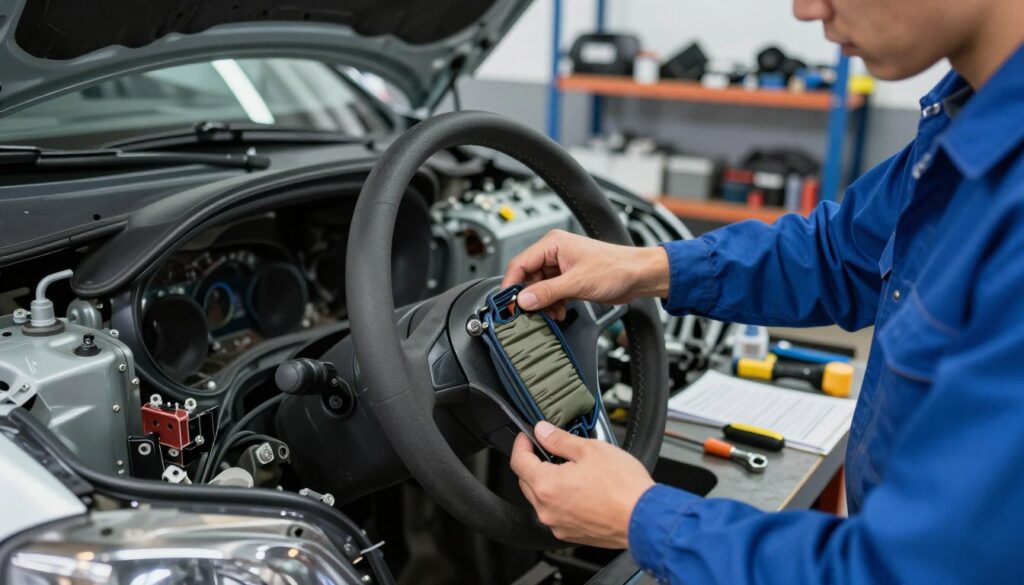
National Averages for Different Vehicles
The cost to replace airbags changes a lot based on your car’s safety setup. Modern cars have many sensors and airbags that need to be replaced together. You might pay between $1,000 and $5,000 for a full replacement, depending on your car’s make and model.
Regional Cost Variations Across the U.S.
Where you live affects the airbag replacement cost you’ll get. Shops in big cities charge more than those in small towns. It’s smart to get quotes from different places to make sure you’re paying a fair price.
| Vehicle Category | Estimated Parts Cost | Estimated Labor Cost | Total Average Cost |
|---|---|---|---|
| Economy Sedan | $800 | $400 | $1,200 |
| Mid-Size SUV | $1,500 | $600 | $2,100 |
| Luxury Vehicle | $2,500 | $1,000 | $3,500 |
| Performance Sports Car | $3,500 | $1,500 | $5,000 |
Insurance Coverage for Airbag Replacement
When your car’s safety systems go off in a crash, knowing what your insurance covers is key. Dealing with the costs after an accident can be tough. But, knowing your policy can help keep your car safe and sound.
It’s smart to check your policy details to avoid surprise costs. This way, you can make sure your car is fixed right.
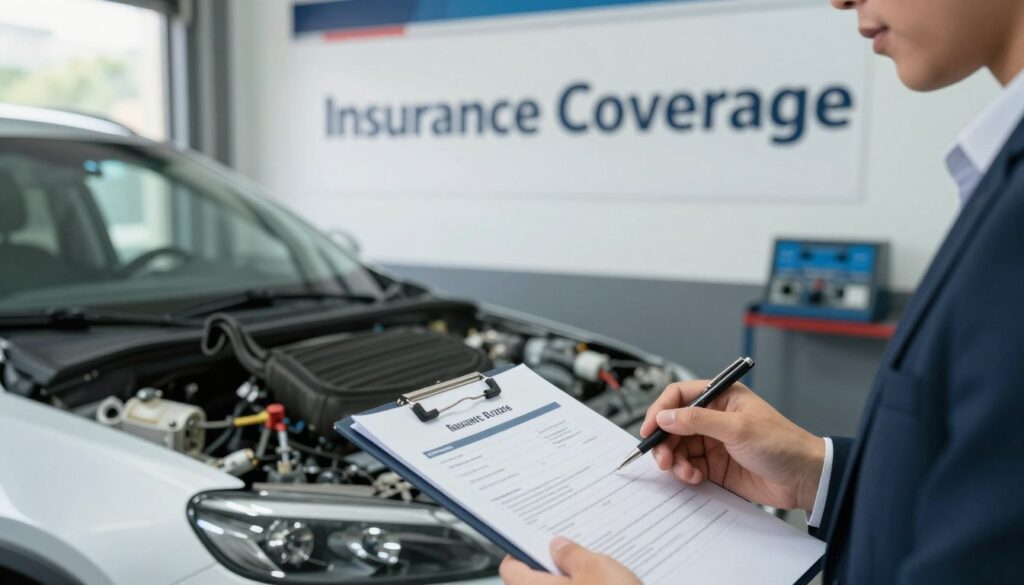
How Different Policies Handle Airbag Replacement
Most auto insurance policies cover airbag repairs if they go off in a crash. This is usually under your collision coverage. This coverage pays for damage from accidents.
If you want to know how cars do in safety tests, check out crash test results for affordable cars. This shows why safety systems are so important.
Keep in mind, your deductible will apply to these repairs. Some policies might use aftermarket parts to save money. Others might only use Original Equipment Manufacturer (OEM) parts for safety.
Make sure your policy includes an OEM endorsement. This ensures your car gets the right parts.
Filing Claims After an Accident
Starting a claim involves documenting the accident well. Take clear photos of the airbags and damage right after. This helps your adjuster process your claim quickly.
After you have your evidence, call your insurance to start the claim. Be ready to tell them about the accident and follow their repair shop choices. Keeping in touch with your adjuster is essential for all repairs to be covered.
| Coverage Type | Primary Purpose | Airbag Coverage |
|---|---|---|
| Collision | Accidents with objects/vehicles | Included (subject to deductible) |
| Comprehensive | Non-collision events | Limited (if deployed) |
| Liability | Damage to others | Not applicable to your car |
Safety Precautions Immediately After an Accident
After a car crash, things can feel very chaotic. It’s key to take the right steps to avoid more harm and get help fast. By staying calm and focused, you can handle the situation well.
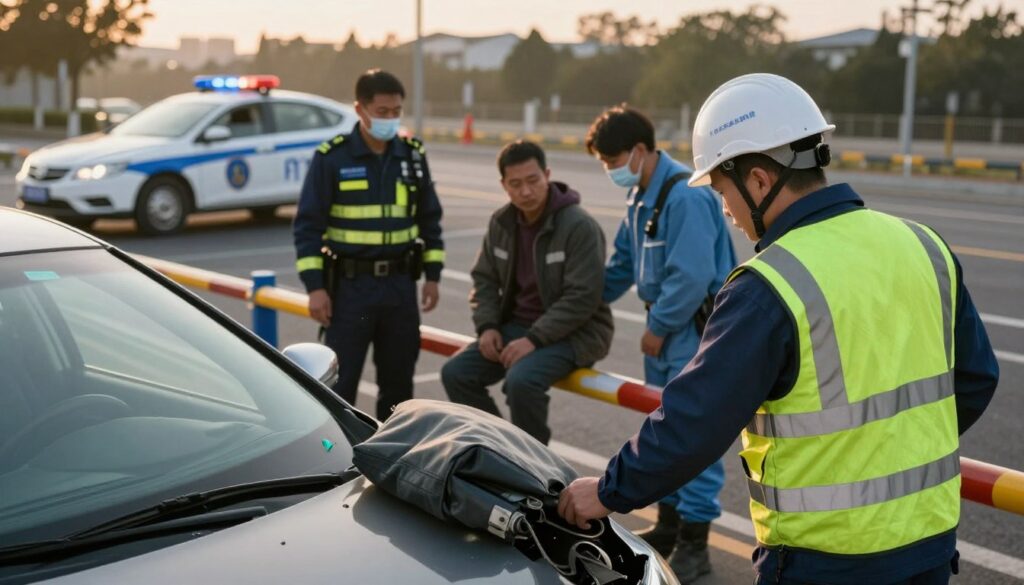
Assessing Personal Injuries
First, check yourself and others in the car for injuries. Airbags go off when the car hits something hard, which can hurt you even if you don’t see it. Move slowly and don’t jump up if you think you might have hurt your neck or back.
If you can move, check if others are okay. If the car is in a bad spot, like the middle of a busy road, try to get it to a safer place if you can. But if you’re really hurt, it’s best to stay put until help comes.
Contacting Emergency Services
After checking on everyone, call 911 right away. Calling 911 gets police, fire, and medical teams to you fast. Tell the operator where you are so they can get to you quickly.
Listen carefully to what the dispatcher tells you. They know how to help in emergencies. Don’t leave the accident scene until the police say it’s okay. Staying calm is a big part of staying safe after an accident.
| Action Step | Priority Level | Expected Outcome |
|---|---|---|
| Check for injuries | Critical | Identify medical needs |
| Call 911 | High | Dispatch emergency teams |
| Secure the scene | Medium | Prevent secondary crashes |
| Exchange info | Low | Document the incident |
Post-Accident Vehicle Assessment
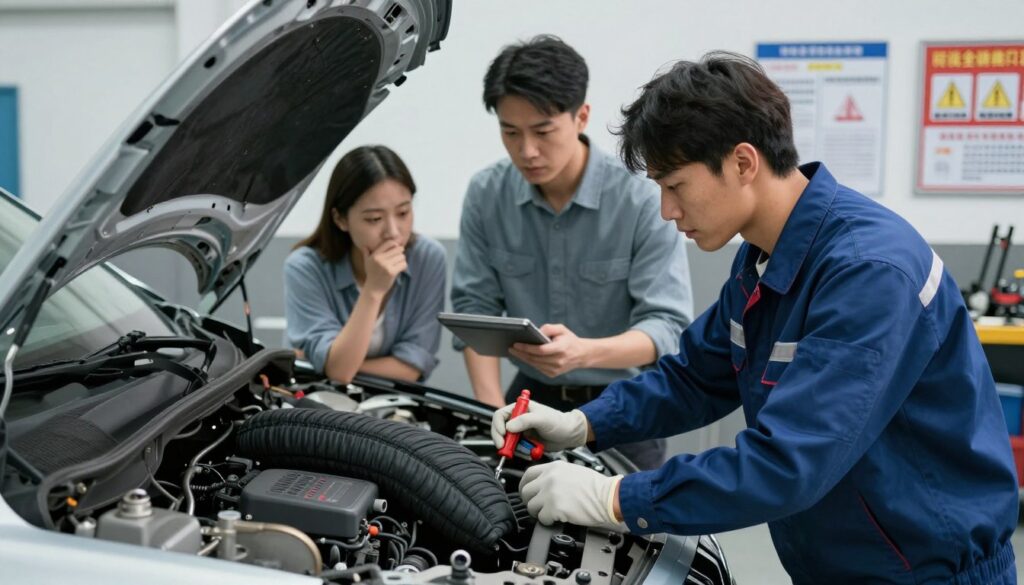
After an accident, your car’s hidden safety systems might be damaged. While you can see dents, the electronic safety features might be hurt too. It’s key to do collision safety checks to make sure your car is safe to drive.
Importance of Vehicle Inspections
Getting a professional to check your car is vital. Modern safety systems are complex. A tech needs to check if the car’s computer has error codes that could stop it from protecting you in the future.
Don’t skip a visit to a certified repair shop after a big crash. They have the tools to check if all safety features are working right. Not doing this could put you at risk in another accident.
How to Identify Airbag Deployment Issues
Spotting problems needs a careful look at your car’s parts. After an airbag goes off, some parts need a pro to fix them back to normal. Look for signs that your safety system might need a crash sensor replacement or other fixes.
Here’s a checklist to see if your car is okay after an accident:
- Dashboard Warning Lights: Check if the airbag or SRS light stays on after you start the engine.
- Seat Belt Functionality: Make sure the belts go back in smoothly and lock up when pulled fast.
- Sensor Integrity: Look at the front and side impact areas for damage near the sensors.
- Control Module Status: Make sure a pro has reset or replaced the airbag control unit.
If you see any of these problems, don’t drive the car until a pro fixes it. Making sure these systems work right is important for your long-term safety and peace of mind.
Steps to Take if Your Airbags Deploy
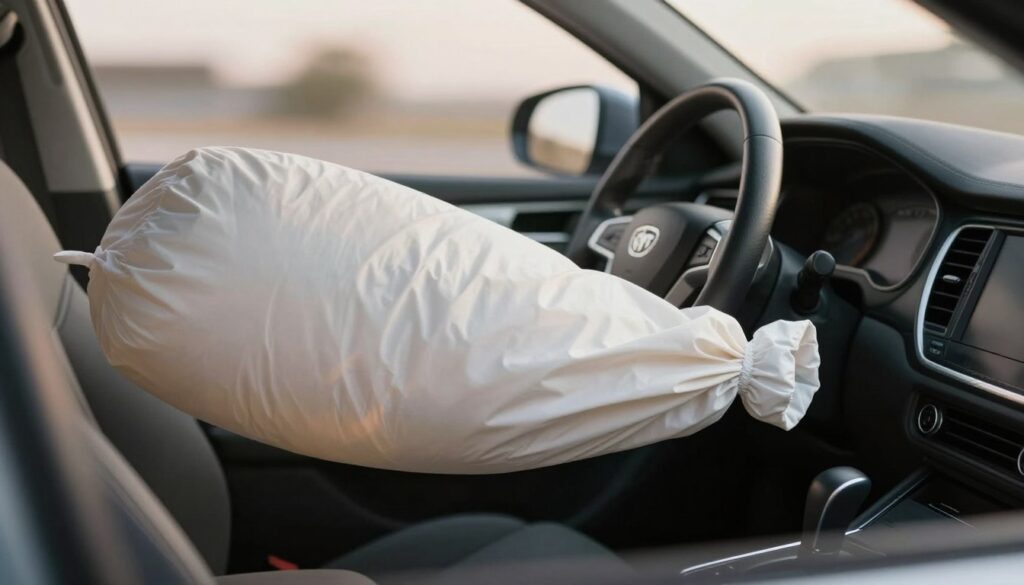
When your car’s airbag deployment happens, it can be scary. Stay calm and make sure everyone is safe first. Then, you can worry about fixing your car.
Immediate Actions After Deployment
First, check if you and your passengers are okay. If you are, make sure your car is safe. Move it to the side of the road and turn on your hazard lights.
Next, turn off your car’s battery. This stops the airbags from going off again. For more tips, check out our guide on what to do after airbags deploy.
Dealing with Vehicle Damage and Repairs
Once you’ve calmed down, check how badly your car is damaged. Remember, airbags that have gone off need a pro to fix. Don’t try to fix them yourself.
Here’s what to do for repairs:
- Document the scene: Take clear photos of the damage and the deployed airbags for your insurance records.
- Contact professionals: Reach out to a certified repair shop that specializes in supplemental restraint systems.
- Verify parts: Make sure your repair shop uses the right, high-quality parts to fix your car right.
Fixing your car after an airbag deployment needs patience and the right help. With the right experts, your car’s safety systems will be fixed and ready to protect you again.
Signs That Your Airbags Need Replacement
Keeping your Supplemental Restraint System (SRS) in top shape is key. Look out for both electronic and physical warning signs. Staying alert can keep your vehicle safe for everyone inside.
Dashboard Warning Lights
The airbag warning light on your dashboard is a clear sign of trouble. If it stays on or blinks after starting, it means the computer has found a problem. This could be with the sensors or the wiring.
Don’t ignore this light. It means your airbags might not work in an accident. Get a diagnostic check right away to fix this safety issue.
“Safety is not just a feature; it is a commitment to the well-being of everyone on the road.”
Physical Inspections for Damage
Check your car’s interior regularly. Look at the steering wheel and dashboard for cracks, bulges, or gaps. These signs can mean the airbag’s inside is damaged or wearing out.
If you see any damage, get a pro to check it out. They can make sure the airbag warning light isn’t hiding a bigger problem.
Choosing the Right Replacement Parts
When your airbag system needs fixing, picking the right parts is critical. We think it’s better to spend a bit more on certified quality than to save money on cheap parts. Cheap or fake parts might not work when you need them most, putting everyone at risk.
OEM vs. Aftermarket Options
OEM parts are made just for your car. They’re tested hard to meet high safety standards. Using OEM parts makes sure your airbag works right with your car’s systems.
Aftermarket parts might seem like a good deal, but they’re not always safe. Counterfeit or substandard parts might look real, but they often don’t work right. We don’t recommend using parts that aren’t verified or known to be safe.
| Feature | OEM Parts | Aftermarket Parts |
|---|---|---|
| Compatibility | Guaranteed fit | Variable |
| Safety Testing | Rigorous/Certified | Often untested |
| Warranty | Manufacturer backed | Limited or none |
| Reliability | High | Unpredictable |
Finding Reputable Suppliers and Installers
Getting parts from authorized dealerships is safest. Make sure your repair shop has trained SRS repair techs. A good installer will show you proof that the parts are real and new.
Before starting, ask about their part-sourcing and if they use special tools. Proper integration is key. Working with trusted pros means your car’s safety features will work right when needed.
Importance of Professional Installation
Professional installation is key for your vehicle’s safety systems. Airbags are complex, working with sensors and control units. Any mistake can be deadly.
Risks of DIY Airbag Replacement
Trying to fix airbags yourself is very risky. DIY efforts often lead to improper installation, which can fail when needed most. An incorrectly installed airbag might deploy unexpectedly, causing serious harm.
There are many reasons to avoid DIY repairs:
- Accidental Deployment: Without proper training, you may trigger the airbag during the installation process.
- System Failure: Improper wiring or sensor calibration can render the entire safety system useless.
- Voided Warranties: Most manufacturers will not honor warranties if unauthorized personnel tamper with safety equipment.
Ensuring Compliance with Safety Standards
Certified technicians have the right tools and training. They ensure your vehicle meets factory standards. They follow strict protocols to integrate components correctly into the car’s computer system. By focusing on collision safety checks, they verify the restraint system works as it should.
Following safety standards is not optional; it’s essential for your safety. We support thorough collision safety checks by reputable shops. This ensures every installation meets the manufacturer’s standards. Relying on experts keeps your vehicle safe for you and your family.
Maintaining Airbag Systems
You might think car airbags are something you can forget about. But they need occasional checks by a pro. These systems are made to last your car’s whole life. Yet, they’re complex and need checks to stay in top shape.
Regular Checks and Maintenance Tips
The airbag warning light on your dashboard is key. If it’s on after you start the car, it means something’s wrong. You should get a certified tech to look at it right away.
For cars that are a bit older, get a full check-up every few years. This helps make sure sensors and wires are working right. You can find out more about this by reading the essential guide to airbag replacement and safety checks.
Keeping Vehicle Safety Features Up to Date
Being proactive is the best way to make sure your car airbags work right when you need them. Keep records of any safety work done on your car.
“Safety is not a luxury; it is a fundamental requirement of vehicle ownership that demands consistent vigilance and professional care.”
If the airbag warning light flickers or stays on, don’t ignore it. Today’s tools help techs find and fix problems fast. This keeps your car safe and up to code.
| Maintenance Task | Frequency | Importance |
|---|---|---|
| Dashboard Light Check | Every Start | Critical |
| Professional Inspection | Every 5-10 Years | High |
| Post-Accident Review | Immediately | Essential |
Final Thoughts on Airbag Safety and Costs
After a crash, think about long-term safety, not just saving money. It’s key to put your passengers first. Knowing the cost to fix a car with airbags helps you make smart choices with insurance and repairs.
Investing in Safety Over Cost
Good repairs keep your car safe for the future. Skipping important parts like sensors or control modules weakens your car’s safety. See these costs as a way to protect yourself on the road.
Staying Informed About Vehicle Safety Technologies
Car safety tech is always getting better to protect you. Always follow safety steps after an accident to keep your car reliable. Keeping up with new tech helps you get the best care for your vehicle. We hope this guide helps you stay safe and secure while driving.
FAQ
What Are Airbags?
Airbags are a key part of the Supplemental Restraint System (SRS). They work with seat belts to protect people in crashes. These car airbags inflate quickly to cushion occupants from hitting the car’s interior.
Types of Airbags in Modern Vehicles
Modern cars, like those from Toyota, Ford, and Chevrolet, have many airbags. There are frontal, side-impact, curtain, and knee airbags. Each type is designed to protect against different crash scenarios.
Vehicle Make and Model
The cost to replace an airbag varies by car model. Replacing one in a Honda Civic is cheaper than in a Porsche or Audi. Luxury cars use more complex technology, making repairs more expensive.
Labor Costs and Repair Shop Pricing
Labor costs differ between independent mechanics and dealerships like AutoNation. Dealerships charge more but use trained technicians. Replacing an airbag requires taking apart parts of the car, adding to the cost.
Parts Availability and Supplier Options
The availability of airbag parts affects the price. While OEM parts are best, some look at certified recycled or aftermarket options. But, rare parts can be hard to find, raising costs and repair times.
National Averages for Different Vehicles
The airbag replacement cost in the U.S. is
FAQ
What Are Airbags?
Airbags are a key part of the Supplemental Restraint System (SRS). They work with seat belts to protect people in crashes. These car airbags inflate quickly to cushion occupants from hitting the car’s interior.
Types of Airbags in Modern Vehicles
Modern cars, like those from Toyota, Ford, and Chevrolet, have many airbags. There are frontal, side-impact, curtain, and knee airbags. Each type is designed to protect against different crash scenarios.
Vehicle Make and Model
The cost to replace an airbag varies by car model. Replacing one in a Honda Civic is cheaper than in a Porsche or Audi. Luxury cars use more complex technology, making repairs more expensive.
Labor Costs and Repair Shop Pricing
Labor costs differ between independent mechanics and dealerships like AutoNation. Dealerships charge more but use trained technicians. Replacing an airbag requires taking apart parts of the car, adding to the cost.
Parts Availability and Supplier Options
The availability of airbag parts affects the price. While OEM parts are best, some look at certified recycled or aftermarket options. But, rare parts can be hard to find, raising costs and repair times.
National Averages for Different Vehicles
The airbag replacement cost in the U.S. is $1,000 to $1,500 per airbag. This includes the airbag module but might not cover the crash sensor replacement or SRS reset. For multiple deployments, the cost can go over $3,000 to $5,000.
Regional Cost Variations Across the U.S.
Costs vary by location. Cities like New York City or San Francisco have higher labor rates than rural areas. This can increase the total cost by 15% to 20%.
How Different Policies Handle Airbag Replacement
If you have collision or comp insurance, repairs are usually covered. But, if the damage is too extensive, the insurance might declare your car a total loss.
Filing Claims After an Accident
When filing a claim, provide detailed accident documentation and airbag warning light status. Adjusters will check the collision safety checks to determine the payout. Quick communication with your agent ensures safety and financial stability.
Assessing Personal Injuries
Check yourself and passengers for injuries first. Airbag deployment can cause minor injuries. Medical evaluation is key before focusing on the car.
Contacting Emergency Services
Always call the police and emergency services after an accident. Modern cars like those with OnStar or Toyota Safety Connect will alert services. A police report is vital for insurance and safety checks.
Importance of Vehicle Inspections
A vehicle post-impact needs more than cosmetic fixes. Professional collision safety checks are essential. A technician must inspect the frame, crash sensor locations, and wiring to ensure safety.
How to Identify Airbag Deployment Issues
Look for deployed bags and “near-deployment” signs. A airbag warning light indicates a fault. Smoke, residue, or a chemical smell after an accident need professional cleaning and inspection.
Immediate Actions After Deployment
Ensure everyone is safe, then turn off the car. If safe, disconnect the battery to prevent further issues. Do not try to put deployed bags back in their compartments.
Dealing with Vehicle Damage and Repairs
Have your car towed to a certified repair shop. Replacing an airbag is complex, involving the steering wheel, dashboard, and seats. Work with a shop that specializes in your brand for correct recalibration.
Dashboard Warning Lights
The airbag warning light should turn off after starting. If it stays on or flashes, the system is faulty. This is a critical warning that should not be ignored.
Physical Inspections for Damage
Look for signs of wear like cracked dashboard or steering wheel covers. Moisture can damage the airbag’s chemical propellant, leading to failure in a crash.
OEM vs. Aftermarket Options
For safety, use OEM parts from brands like Mopar, Motorcraft, or ACDelco. Aftermarket parts may be cheaper but lack the rigorous testing and fitment of OEMs. Using non-genuine parts can lead to deployment failures.
Finding Reputable Suppliers and Installers
Ensure your repair shop sources parts from trusted suppliers. Avoid counterfeit airbags that may contain shrapnel or fail to inflate. Ask for documentation proving parts are genuine and crash sensor replacement units are new.
Risks of DIY Airbag Replacement
Replacing an airbag yourself is dangerous. Static electricity or wiring mistakes can trigger the inflator, causing injury. Without proper tools, a DIYer cannot reset the SRS module or verify crash sensor communication.
Ensuring Compliance with Safety Standards
Professional technicians follow strict protocols to meet federal standards. Choosing professional installation ensures the system works as intended. This maintains your car’s value and ensures safety checks pass.
Regular Checks and Maintenance Tips
While airbags don’t have a service interval, inspect them if your car is over ten years old. Monitor the airbag warning light and avoid placing heavy objects over airbag zones. These habits are simple but effective.
Keeping Vehicle Safety Features Up to Date
Stay informed about recalls. For example, the Takata airbag recall affected millions of vehicles. Check your VIN on the NHTSA website to ensure your car airbags are not recalled.
Investing in Safety Over Cost
While airbag replacement cost is high, it’s an investment in your safety and that of your passengers. Cutting corners on automotive safety measures is never worth the risk. A functioning SRS can mean the difference between life and serious injury.
Staying Informed About Vehicle Safety Technologies
Vehicle technology evolves, so do safety systems. From advanced crash sensor replacement tech to smarter deployment algorithms, staying informed empowers you to make better maintenance decisions. We’re committed to helping you navigate vehicle restoration and post-accident safety.
What is the typical airbag replacement cost for a standard sedan?
For common models like a Honda Accord or Toyota Camry, the airbag replacement cost is $1,000 to $1,500 per module. This includes the part and labor but may increase for crash sensor replacement or dashboard repairs.
Why is the airbag warning light staying on after my car was repaired?
If the airbag warning light remains on, it means the SRS computer detects a fault. This often happens if the crash sensor wasn’t replaced or the system wasn’t reset correctly. Immediate collision safety checks are needed to resolve this.
Are safety precautions after an accident different if the airbags didn’t deploy?
Yes, even if airbag deployment didn’t occur, safety precautions are essential. Sensors may be damaged or out of alignment, meaning the system might not work in future impacts. A professional inspection of the car airbags and sensors is critical.
Can we use aftermarket parts to lower the airbag replacement cost?
While aftermarket parts exist, we advise using OEM components for automotive safety measures. Airbags are precision-engineered for specific volumes and deployment speeds. Using non-genuine parts can lead to catastrophic failure in a crash.
What exactly is involved in a crash sensor replacement?
A crash sensor replacement involves removing and installing new sensors at the front or sides of the vehicle. These sensors detect rapid deceleration for airbag deployment and must be calibrated by a professional.
Does insurance cover collision safety checks after a minor fender bender?
Most policies from companies like Allstate or Farmers cover collision safety checks if there’s a suspicion of internal damage. Ensuring car airbags and seat belts are functional is part of the post-accident restoration process.
How do we know if our car airbags are part of a safety recall?
Check the NHTSA website with your Vehicle Identification Number (VIN). Major recalls, like those involving Takata inflators used by Honda and BMW, are replaced at no cost by authorized dealerships.
,000 to
FAQ
What Are Airbags?
Airbags are a key part of the Supplemental Restraint System (SRS). They work with seat belts to protect people in crashes. These car airbags inflate quickly to cushion occupants from hitting the car’s interior.
Types of Airbags in Modern Vehicles
Modern cars, like those from Toyota, Ford, and Chevrolet, have many airbags. There are frontal, side-impact, curtain, and knee airbags. Each type is designed to protect against different crash scenarios.
Vehicle Make and Model
The cost to replace an airbag varies by car model. Replacing one in a Honda Civic is cheaper than in a Porsche or Audi. Luxury cars use more complex technology, making repairs more expensive.
Labor Costs and Repair Shop Pricing
Labor costs differ between independent mechanics and dealerships like AutoNation. Dealerships charge more but use trained technicians. Replacing an airbag requires taking apart parts of the car, adding to the cost.
Parts Availability and Supplier Options
The availability of airbag parts affects the price. While OEM parts are best, some look at certified recycled or aftermarket options. But, rare parts can be hard to find, raising costs and repair times.
National Averages for Different Vehicles
The airbag replacement cost in the U.S. is $1,000 to $1,500 per airbag. This includes the airbag module but might not cover the crash sensor replacement or SRS reset. For multiple deployments, the cost can go over $3,000 to $5,000.
Regional Cost Variations Across the U.S.
Costs vary by location. Cities like New York City or San Francisco have higher labor rates than rural areas. This can increase the total cost by 15% to 20%.
How Different Policies Handle Airbag Replacement
If you have collision or comp insurance, repairs are usually covered. But, if the damage is too extensive, the insurance might declare your car a total loss.
Filing Claims After an Accident
When filing a claim, provide detailed accident documentation and airbag warning light status. Adjusters will check the collision safety checks to determine the payout. Quick communication with your agent ensures safety and financial stability.
Assessing Personal Injuries
Check yourself and passengers for injuries first. Airbag deployment can cause minor injuries. Medical evaluation is key before focusing on the car.
Contacting Emergency Services
Always call the police and emergency services after an accident. Modern cars like those with OnStar or Toyota Safety Connect will alert services. A police report is vital for insurance and safety checks.
Importance of Vehicle Inspections
A vehicle post-impact needs more than cosmetic fixes. Professional collision safety checks are essential. A technician must inspect the frame, crash sensor locations, and wiring to ensure safety.
How to Identify Airbag Deployment Issues
Look for deployed bags and “near-deployment” signs. A airbag warning light indicates a fault. Smoke, residue, or a chemical smell after an accident need professional cleaning and inspection.
Immediate Actions After Deployment
Ensure everyone is safe, then turn off the car. If safe, disconnect the battery to prevent further issues. Do not try to put deployed bags back in their compartments.
Dealing with Vehicle Damage and Repairs
Have your car towed to a certified repair shop. Replacing an airbag is complex, involving the steering wheel, dashboard, and seats. Work with a shop that specializes in your brand for correct recalibration.
Dashboard Warning Lights
The airbag warning light should turn off after starting. If it stays on or flashes, the system is faulty. This is a critical warning that should not be ignored.
Physical Inspections for Damage
Look for signs of wear like cracked dashboard or steering wheel covers. Moisture can damage the airbag’s chemical propellant, leading to failure in a crash.
OEM vs. Aftermarket Options
For safety, use OEM parts from brands like Mopar, Motorcraft, or ACDelco. Aftermarket parts may be cheaper but lack the rigorous testing and fitment of OEMs. Using non-genuine parts can lead to deployment failures.
Finding Reputable Suppliers and Installers
Ensure your repair shop sources parts from trusted suppliers. Avoid counterfeit airbags that may contain shrapnel or fail to inflate. Ask for documentation proving parts are genuine and crash sensor replacement units are new.
Risks of DIY Airbag Replacement
Replacing an airbag yourself is dangerous. Static electricity or wiring mistakes can trigger the inflator, causing injury. Without proper tools, a DIYer cannot reset the SRS module or verify crash sensor communication.
Ensuring Compliance with Safety Standards
Professional technicians follow strict protocols to meet federal standards. Choosing professional installation ensures the system works as intended. This maintains your car’s value and ensures safety checks pass.
Regular Checks and Maintenance Tips
While airbags don’t have a service interval, inspect them if your car is over ten years old. Monitor the airbag warning light and avoid placing heavy objects over airbag zones. These habits are simple but effective.
Keeping Vehicle Safety Features Up to Date
Stay informed about recalls. For example, the Takata airbag recall affected millions of vehicles. Check your VIN on the NHTSA website to ensure your car airbags are not recalled.
Investing in Safety Over Cost
While airbag replacement cost is high, it’s an investment in your safety and that of your passengers. Cutting corners on automotive safety measures is never worth the risk. A functioning SRS can mean the difference between life and serious injury.
Staying Informed About Vehicle Safety Technologies
Vehicle technology evolves, so do safety systems. From advanced crash sensor replacement tech to smarter deployment algorithms, staying informed empowers you to make better maintenance decisions. We’re committed to helping you navigate vehicle restoration and post-accident safety.
What is the typical airbag replacement cost for a standard sedan?
For common models like a Honda Accord or Toyota Camry, the airbag replacement cost is $1,000 to $1,500 per module. This includes the part and labor but may increase for crash sensor replacement or dashboard repairs.
Why is the airbag warning light staying on after my car was repaired?
If the airbag warning light remains on, it means the SRS computer detects a fault. This often happens if the crash sensor wasn’t replaced or the system wasn’t reset correctly. Immediate collision safety checks are needed to resolve this.
Are safety precautions after an accident different if the airbags didn’t deploy?
Yes, even if airbag deployment didn’t occur, safety precautions are essential. Sensors may be damaged or out of alignment, meaning the system might not work in future impacts. A professional inspection of the car airbags and sensors is critical.
Can we use aftermarket parts to lower the airbag replacement cost?
While aftermarket parts exist, we advise using OEM components for automotive safety measures. Airbags are precision-engineered for specific volumes and deployment speeds. Using non-genuine parts can lead to catastrophic failure in a crash.
What exactly is involved in a crash sensor replacement?
A crash sensor replacement involves removing and installing new sensors at the front or sides of the vehicle. These sensors detect rapid deceleration for airbag deployment and must be calibrated by a professional.
Does insurance cover collision safety checks after a minor fender bender?
Most policies from companies like Allstate or Farmers cover collision safety checks if there’s a suspicion of internal damage. Ensuring car airbags and seat belts are functional is part of the post-accident restoration process.
How do we know if our car airbags are part of a safety recall?
Check the NHTSA website with your Vehicle Identification Number (VIN). Major recalls, like those involving Takata inflators used by Honda and BMW, are replaced at no cost by authorized dealerships.
,500 per airbag. This includes the airbag module but might not cover the crash sensor replacement or SRS reset. For multiple deployments, the cost can go over ,000 to ,000.
Regional Cost Variations Across the U.S.
Costs vary by location. Cities like New York City or San Francisco have higher labor rates than rural areas. This can increase the total cost by 15% to 20%.
How Different Policies Handle Airbag Replacement
If you have collision or comp insurance, repairs are usually covered. But, if the damage is too extensive, the insurance might declare your car a total loss.
Filing Claims After an Accident
When filing a claim, provide detailed accident documentation and airbag warning light status. Adjusters will check the collision safety checks to determine the payout. Quick communication with your agent ensures safety and financial stability.
Assessing Personal Injuries
Check yourself and passengers for injuries first. Airbag deployment can cause minor injuries. Medical evaluation is key before focusing on the car.
Contacting Emergency Services
Always call the police and emergency services after an accident. Modern cars like those with OnStar or Toyota Safety Connect will alert services. A police report is vital for insurance and safety checks.
Importance of Vehicle Inspections
A vehicle post-impact needs more than cosmetic fixes. Professional collision safety checks are essential. A technician must inspect the frame, crash sensor locations, and wiring to ensure safety.
How to Identify Airbag Deployment Issues
Look for deployed bags and “near-deployment” signs. A airbag warning light indicates a fault. Smoke, residue, or a chemical smell after an accident need professional cleaning and inspection.
Immediate Actions After Deployment
Ensure everyone is safe, then turn off the car. If safe, disconnect the battery to prevent further issues. Do not try to put deployed bags back in their compartments.
Dealing with Vehicle Damage and Repairs
Have your car towed to a certified repair shop. Replacing an airbag is complex, involving the steering wheel, dashboard, and seats. Work with a shop that specializes in your brand for correct recalibration.
Dashboard Warning Lights
The airbag warning light should turn off after starting. If it stays on or flashes, the system is faulty. This is a critical warning that should not be ignored.
Physical Inspections for Damage
Look for signs of wear like cracked dashboard or steering wheel covers. Moisture can damage the airbag’s chemical propellant, leading to failure in a crash.
OEM vs. Aftermarket Options
For safety, use OEM parts from brands like Mopar, Motorcraft, or ACDelco. Aftermarket parts may be cheaper but lack the rigorous testing and fitment of OEMs. Using non-genuine parts can lead to deployment failures.
Finding Reputable Suppliers and Installers
Ensure your repair shop sources parts from trusted suppliers. Avoid counterfeit airbags that may contain shrapnel or fail to inflate. Ask for documentation proving parts are genuine and crash sensor replacement units are new.
Risks of DIY Airbag Replacement
Replacing an airbag yourself is dangerous. Static electricity or wiring mistakes can trigger the inflator, causing injury. Without proper tools, a DIYer cannot reset the SRS module or verify crash sensor communication.
Ensuring Compliance with Safety Standards
Professional technicians follow strict protocols to meet federal standards. Choosing professional installation ensures the system works as intended. This maintains your car’s value and ensures safety checks pass.
Regular Checks and Maintenance Tips
While airbags don’t have a service interval, inspect them if your car is over ten years old. Monitor the airbag warning light and avoid placing heavy objects over airbag zones. These habits are simple but effective.
Keeping Vehicle Safety Features Up to Date
Stay informed about recalls. For example, the Takata airbag recall affected millions of vehicles. Check your VIN on the NHTSA website to ensure your car airbags are not recalled.
Investing in Safety Over Cost
While airbag replacement cost is high, it’s an investment in your safety and that of your passengers. Cutting corners on automotive safety measures is never worth the risk. A functioning SRS can mean the difference between life and serious injury.
Staying Informed About Vehicle Safety Technologies
Vehicle technology evolves, so do safety systems. From advanced crash sensor replacement tech to smarter deployment algorithms, staying informed empowers you to make better maintenance decisions. We’re committed to helping you navigate vehicle restoration and post-accident safety.
What is the typical airbag replacement cost for a standard sedan?
For common models like a Honda Accord or Toyota Camry, the airbag replacement cost is
FAQ
What Are Airbags?
Airbags are a key part of the Supplemental Restraint System (SRS). They work with seat belts to protect people in crashes. These car airbags inflate quickly to cushion occupants from hitting the car’s interior.
Types of Airbags in Modern Vehicles
Modern cars, like those from Toyota, Ford, and Chevrolet, have many airbags. There are frontal, side-impact, curtain, and knee airbags. Each type is designed to protect against different crash scenarios.
Vehicle Make and Model
The cost to replace an airbag varies by car model. Replacing one in a Honda Civic is cheaper than in a Porsche or Audi. Luxury cars use more complex technology, making repairs more expensive.
Labor Costs and Repair Shop Pricing
Labor costs differ between independent mechanics and dealerships like AutoNation. Dealerships charge more but use trained technicians. Replacing an airbag requires taking apart parts of the car, adding to the cost.
Parts Availability and Supplier Options
The availability of airbag parts affects the price. While OEM parts are best, some look at certified recycled or aftermarket options. But, rare parts can be hard to find, raising costs and repair times.
National Averages for Different Vehicles
The airbag replacement cost in the U.S. is $1,000 to $1,500 per airbag. This includes the airbag module but might not cover the crash sensor replacement or SRS reset. For multiple deployments, the cost can go over $3,000 to $5,000.
Regional Cost Variations Across the U.S.
Costs vary by location. Cities like New York City or San Francisco have higher labor rates than rural areas. This can increase the total cost by 15% to 20%.
How Different Policies Handle Airbag Replacement
If you have collision or comp insurance, repairs are usually covered. But, if the damage is too extensive, the insurance might declare your car a total loss.
Filing Claims After an Accident
When filing a claim, provide detailed accident documentation and airbag warning light status. Adjusters will check the collision safety checks to determine the payout. Quick communication with your agent ensures safety and financial stability.
Assessing Personal Injuries
Check yourself and passengers for injuries first. Airbag deployment can cause minor injuries. Medical evaluation is key before focusing on the car.
Contacting Emergency Services
Always call the police and emergency services after an accident. Modern cars like those with OnStar or Toyota Safety Connect will alert services. A police report is vital for insurance and safety checks.
Importance of Vehicle Inspections
A vehicle post-impact needs more than cosmetic fixes. Professional collision safety checks are essential. A technician must inspect the frame, crash sensor locations, and wiring to ensure safety.
How to Identify Airbag Deployment Issues
Look for deployed bags and “near-deployment” signs. A airbag warning light indicates a fault. Smoke, residue, or a chemical smell after an accident need professional cleaning and inspection.
Immediate Actions After Deployment
Ensure everyone is safe, then turn off the car. If safe, disconnect the battery to prevent further issues. Do not try to put deployed bags back in their compartments.
Dealing with Vehicle Damage and Repairs
Have your car towed to a certified repair shop. Replacing an airbag is complex, involving the steering wheel, dashboard, and seats. Work with a shop that specializes in your brand for correct recalibration.
Dashboard Warning Lights
The airbag warning light should turn off after starting. If it stays on or flashes, the system is faulty. This is a critical warning that should not be ignored.
Physical Inspections for Damage
Look for signs of wear like cracked dashboard or steering wheel covers. Moisture can damage the airbag’s chemical propellant, leading to failure in a crash.
OEM vs. Aftermarket Options
For safety, use OEM parts from brands like Mopar, Motorcraft, or ACDelco. Aftermarket parts may be cheaper but lack the rigorous testing and fitment of OEMs. Using non-genuine parts can lead to deployment failures.
Finding Reputable Suppliers and Installers
Ensure your repair shop sources parts from trusted suppliers. Avoid counterfeit airbags that may contain shrapnel or fail to inflate. Ask for documentation proving parts are genuine and crash sensor replacement units are new.
Risks of DIY Airbag Replacement
Replacing an airbag yourself is dangerous. Static electricity or wiring mistakes can trigger the inflator, causing injury. Without proper tools, a DIYer cannot reset the SRS module or verify crash sensor communication.
Ensuring Compliance with Safety Standards
Professional technicians follow strict protocols to meet federal standards. Choosing professional installation ensures the system works as intended. This maintains your car’s value and ensures safety checks pass.
Regular Checks and Maintenance Tips
While airbags don’t have a service interval, inspect them if your car is over ten years old. Monitor the airbag warning light and avoid placing heavy objects over airbag zones. These habits are simple but effective.
Keeping Vehicle Safety Features Up to Date
Stay informed about recalls. For example, the Takata airbag recall affected millions of vehicles. Check your VIN on the NHTSA website to ensure your car airbags are not recalled.
Investing in Safety Over Cost
While airbag replacement cost is high, it’s an investment in your safety and that of your passengers. Cutting corners on automotive safety measures is never worth the risk. A functioning SRS can mean the difference between life and serious injury.
Staying Informed About Vehicle Safety Technologies
Vehicle technology evolves, so do safety systems. From advanced crash sensor replacement tech to smarter deployment algorithms, staying informed empowers you to make better maintenance decisions. We’re committed to helping you navigate vehicle restoration and post-accident safety.
What is the typical airbag replacement cost for a standard sedan?
For common models like a Honda Accord or Toyota Camry, the airbag replacement cost is $1,000 to $1,500 per module. This includes the part and labor but may increase for crash sensor replacement or dashboard repairs.
Why is the airbag warning light staying on after my car was repaired?
If the airbag warning light remains on, it means the SRS computer detects a fault. This often happens if the crash sensor wasn’t replaced or the system wasn’t reset correctly. Immediate collision safety checks are needed to resolve this.
Are safety precautions after an accident different if the airbags didn’t deploy?
Yes, even if airbag deployment didn’t occur, safety precautions are essential. Sensors may be damaged or out of alignment, meaning the system might not work in future impacts. A professional inspection of the car airbags and sensors is critical.
Can we use aftermarket parts to lower the airbag replacement cost?
While aftermarket parts exist, we advise using OEM components for automotive safety measures. Airbags are precision-engineered for specific volumes and deployment speeds. Using non-genuine parts can lead to catastrophic failure in a crash.
What exactly is involved in a crash sensor replacement?
A crash sensor replacement involves removing and installing new sensors at the front or sides of the vehicle. These sensors detect rapid deceleration for airbag deployment and must be calibrated by a professional.
Does insurance cover collision safety checks after a minor fender bender?
Most policies from companies like Allstate or Farmers cover collision safety checks if there’s a suspicion of internal damage. Ensuring car airbags and seat belts are functional is part of the post-accident restoration process.
How do we know if our car airbags are part of a safety recall?
Check the NHTSA website with your Vehicle Identification Number (VIN). Major recalls, like those involving Takata inflators used by Honda and BMW, are replaced at no cost by authorized dealerships.
,000 to
FAQ
What Are Airbags?
Airbags are a key part of the Supplemental Restraint System (SRS). They work with seat belts to protect people in crashes. These car airbags inflate quickly to cushion occupants from hitting the car’s interior.
Types of Airbags in Modern Vehicles
Modern cars, like those from Toyota, Ford, and Chevrolet, have many airbags. There are frontal, side-impact, curtain, and knee airbags. Each type is designed to protect against different crash scenarios.
Vehicle Make and Model
The cost to replace an airbag varies by car model. Replacing one in a Honda Civic is cheaper than in a Porsche or Audi. Luxury cars use more complex technology, making repairs more expensive.
Labor Costs and Repair Shop Pricing
Labor costs differ between independent mechanics and dealerships like AutoNation. Dealerships charge more but use trained technicians. Replacing an airbag requires taking apart parts of the car, adding to the cost.
Parts Availability and Supplier Options
The availability of airbag parts affects the price. While OEM parts are best, some look at certified recycled or aftermarket options. But, rare parts can be hard to find, raising costs and repair times.
National Averages for Different Vehicles
The airbag replacement cost in the U.S. is $1,000 to $1,500 per airbag. This includes the airbag module but might not cover the crash sensor replacement or SRS reset. For multiple deployments, the cost can go over $3,000 to $5,000.
Regional Cost Variations Across the U.S.
Costs vary by location. Cities like New York City or San Francisco have higher labor rates than rural areas. This can increase the total cost by 15% to 20%.
How Different Policies Handle Airbag Replacement
If you have collision or comp insurance, repairs are usually covered. But, if the damage is too extensive, the insurance might declare your car a total loss.
Filing Claims After an Accident
When filing a claim, provide detailed accident documentation and airbag warning light status. Adjusters will check the collision safety checks to determine the payout. Quick communication with your agent ensures safety and financial stability.
Assessing Personal Injuries
Check yourself and passengers for injuries first. Airbag deployment can cause minor injuries. Medical evaluation is key before focusing on the car.
Contacting Emergency Services
Always call the police and emergency services after an accident. Modern cars like those with OnStar or Toyota Safety Connect will alert services. A police report is vital for insurance and safety checks.
Importance of Vehicle Inspections
A vehicle post-impact needs more than cosmetic fixes. Professional collision safety checks are essential. A technician must inspect the frame, crash sensor locations, and wiring to ensure safety.
How to Identify Airbag Deployment Issues
Look for deployed bags and “near-deployment” signs. A airbag warning light indicates a fault. Smoke, residue, or a chemical smell after an accident need professional cleaning and inspection.
Immediate Actions After Deployment
Ensure everyone is safe, then turn off the car. If safe, disconnect the battery to prevent further issues. Do not try to put deployed bags back in their compartments.
Dealing with Vehicle Damage and Repairs
Have your car towed to a certified repair shop. Replacing an airbag is complex, involving the steering wheel, dashboard, and seats. Work with a shop that specializes in your brand for correct recalibration.
Dashboard Warning Lights
The airbag warning light should turn off after starting. If it stays on or flashes, the system is faulty. This is a critical warning that should not be ignored.
Physical Inspections for Damage
Look for signs of wear like cracked dashboard or steering wheel covers. Moisture can damage the airbag’s chemical propellant, leading to failure in a crash.
OEM vs. Aftermarket Options
For safety, use OEM parts from brands like Mopar, Motorcraft, or ACDelco. Aftermarket parts may be cheaper but lack the rigorous testing and fitment of OEMs. Using non-genuine parts can lead to deployment failures.
Finding Reputable Suppliers and Installers
Ensure your repair shop sources parts from trusted suppliers. Avoid counterfeit airbags that may contain shrapnel or fail to inflate. Ask for documentation proving parts are genuine and crash sensor replacement units are new.
Risks of DIY Airbag Replacement
Replacing an airbag yourself is dangerous. Static electricity or wiring mistakes can trigger the inflator, causing injury. Without proper tools, a DIYer cannot reset the SRS module or verify crash sensor communication.
Ensuring Compliance with Safety Standards
Professional technicians follow strict protocols to meet federal standards. Choosing professional installation ensures the system works as intended. This maintains your car’s value and ensures safety checks pass.
Regular Checks and Maintenance Tips
While airbags don’t have a service interval, inspect them if your car is over ten years old. Monitor the airbag warning light and avoid placing heavy objects over airbag zones. These habits are simple but effective.
Keeping Vehicle Safety Features Up to Date
Stay informed about recalls. For example, the Takata airbag recall affected millions of vehicles. Check your VIN on the NHTSA website to ensure your car airbags are not recalled.
Investing in Safety Over Cost
While airbag replacement cost is high, it’s an investment in your safety and that of your passengers. Cutting corners on automotive safety measures is never worth the risk. A functioning SRS can mean the difference between life and serious injury.
Staying Informed About Vehicle Safety Technologies
Vehicle technology evolves, so do safety systems. From advanced crash sensor replacement tech to smarter deployment algorithms, staying informed empowers you to make better maintenance decisions. We’re committed to helping you navigate vehicle restoration and post-accident safety.
What is the typical airbag replacement cost for a standard sedan?
For common models like a Honda Accord or Toyota Camry, the airbag replacement cost is $1,000 to $1,500 per module. This includes the part and labor but may increase for crash sensor replacement or dashboard repairs.
Why is the airbag warning light staying on after my car was repaired?
If the airbag warning light remains on, it means the SRS computer detects a fault. This often happens if the crash sensor wasn’t replaced or the system wasn’t reset correctly. Immediate collision safety checks are needed to resolve this.
Are safety precautions after an accident different if the airbags didn’t deploy?
Yes, even if airbag deployment didn’t occur, safety precautions are essential. Sensors may be damaged or out of alignment, meaning the system might not work in future impacts. A professional inspection of the car airbags and sensors is critical.
Can we use aftermarket parts to lower the airbag replacement cost?
While aftermarket parts exist, we advise using OEM components for automotive safety measures. Airbags are precision-engineered for specific volumes and deployment speeds. Using non-genuine parts can lead to catastrophic failure in a crash.
What exactly is involved in a crash sensor replacement?
A crash sensor replacement involves removing and installing new sensors at the front or sides of the vehicle. These sensors detect rapid deceleration for airbag deployment and must be calibrated by a professional.
Does insurance cover collision safety checks after a minor fender bender?
Most policies from companies like Allstate or Farmers cover collision safety checks if there’s a suspicion of internal damage. Ensuring car airbags and seat belts are functional is part of the post-accident restoration process.
How do we know if our car airbags are part of a safety recall?
Check the NHTSA website with your Vehicle Identification Number (VIN). Major recalls, like those involving Takata inflators used by Honda and BMW, are replaced at no cost by authorized dealerships.
,500 per module. This includes the part and labor but may increase for crash sensor replacement or dashboard repairs.
Why is the airbag warning light staying on after my car was repaired?
If the airbag warning light remains on, it means the SRS computer detects a fault. This often happens if the crash sensor wasn’t replaced or the system wasn’t reset correctly. Immediate collision safety checks are needed to resolve this.
Are safety precautions after an accident different if the airbags didn’t deploy?
Yes, even if airbag deployment didn’t occur, safety precautions are essential. Sensors may be damaged or out of alignment, meaning the system might not work in future impacts. A professional inspection of the car airbags and sensors is critical.
Can we use aftermarket parts to lower the airbag replacement cost?
While aftermarket parts exist, we advise using OEM components for automotive safety measures. Airbags are precision-engineered for specific volumes and deployment speeds. Using non-genuine parts can lead to catastrophic failure in a crash.
What exactly is involved in a crash sensor replacement?
A crash sensor replacement involves removing and installing new sensors at the front or sides of the vehicle. These sensors detect rapid deceleration for airbag deployment and must be calibrated by a professional.
Does insurance cover collision safety checks after a minor fender bender?
Most policies from companies like Allstate or Farmers cover collision safety checks if there’s a suspicion of internal damage. Ensuring car airbags and seat belts are functional is part of the post-accident restoration process.
How do we know if our car airbags are part of a safety recall?
Check the NHTSA website with your Vehicle Identification Number (VIN). Major recalls, like those involving Takata inflators used by Honda and BMW, are replaced at no cost by authorized dealerships.

Hello! I’m Moheen Iftikhar, the founder of «CarMotivei». I’m dedicated to covering modern automotive trends, new car technologies, and useful driving insights to keep car lovers updated and motivated. Here, you’ll find detailed car reviews, expert automotive content, and helpful tips for drivers and enthusiasts alike.