



Car Smells Like Burning Rubber or Oil Troubleshooting Checklist
Ever noticed a strange smell while driving? A burning smell means your car is trying to tell you something. It’s a warning before a big problem happens. Ignoring these signs can cause expensive mechanical damage that could have been fixed early.
Finding out where the smell is coming from can be tough. That’s why we made this guide. It helps you find the problem fast and safely.
By following our steps, you can figure out if you need a pro or can fix it yourself. Your safety is our main concern as we tackle these common car issues together.
Key Takeaways
- Unusual odors serve as early warning signs for possible vehicle failures.
- Excessive heat and friction are common culprits behind strange scents.
- Fluid leaks often create distinct odors that require immediate inspection.
- Early diagnosis helps prevent costly long-term repairs.
- Safety should always come first when investigating engine issues.
Understanding the Source of the Smell
Your car talks to you in many ways, including through smells. If you notice a strange smell while driving, finding the cause is key. This is important for your safety and your car’s health. If your car also won’t start, fixing it quickly is essential.
Common Causes of Burning Rubber Odor
The smell of burning rubber is unmistakable and warns you of a problem. It usually means your car’s parts are rubbing too hard or getting too hot. A burning rubber smell in car can mean several things:
- Worn or seized brake calipers that cause pads to drag against the rotor.
- Misaligned or under-inflated tires rubbing against the wheel well or fender liner.
- Slipping drive belts that have lost their tension and are creating friction against pulleys.
- A slipping clutch in manual transmissions, which generates heat through friction.
Common Causes of Burning Oil Odor
The smell of burning oil is different from rubber and feels heavy. It happens when engine fluids leak onto hot parts, like the exhaust manifold. If you smell burning oil smell in car, it might mean:
- Leaking valve cover gaskets that allow oil to drip onto the hot engine block.
- Damaged oil filter seals resulting from improper installation or age.
- Worn piston rings or valve seals that allow oil to enter the combustion chamber.
- Excessive oil spills during a recent maintenance service that have not yet burned off.
Knowing the difference between these smells helps you prepare for repairs. Always watch your car’s performance to catch small problems before they get big.
Safety First: What to Do If You Detect a Burnt Smell
Your safety is our top priority if your car smells like something is burning. If you notice an unusual odor while driving, stay calm. A faint scent or a strong smell of burning plastic means you need to act fast.
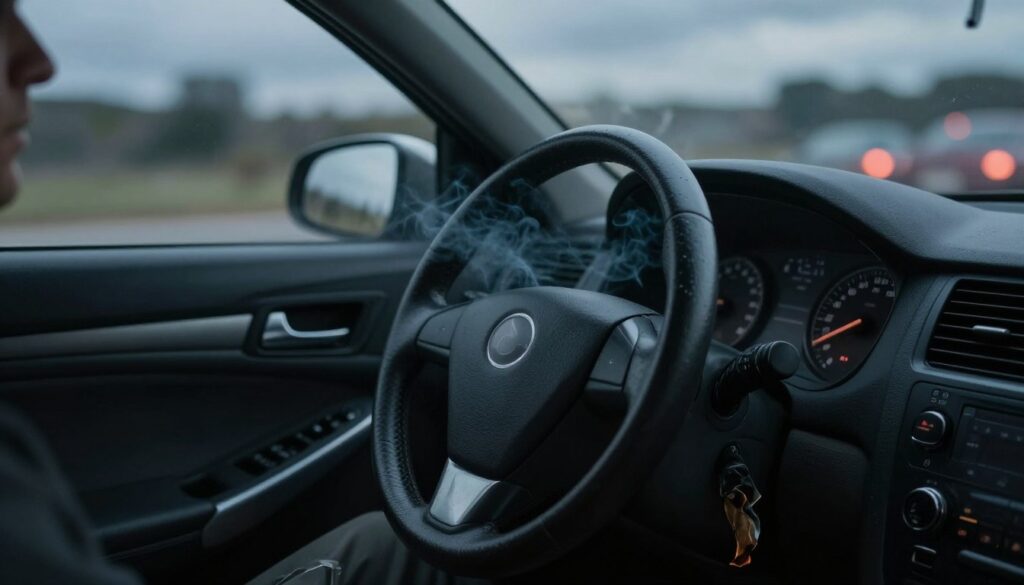
Pull Over Immediately
When you smell something strange, find a safe spot to stop. Don’t wait to see if the smell goes away. It could mean a serious problem is getting worse. Finding a secure location is key to avoiding accidents.
Turn Off the Engine
After stopping safely, turn off the engine right away. This stops fuel and electricity flow, which helps prevent more damage. It’s very important if you think there might be a fire. You can learn more about identifying specific issues by comparing these symptoms to white exhaust smoke causes on cold mornings vs overheating scenarios.
Call for Assistance
After turning off the engine, check the situation from a safe distance. If you see smoke or flames, get out of the car fast and go to a safe place. Never try to open the hood if you think there’s a fire. It could make the fire worse. Here’s what to do to stay safe:
- Move away from the vehicle to a safe distance.
- Contact emergency services if you see visible fire or smoke.
- Call a professional towing service or roadside assistance to transport your car to a qualified mechanic.
- Avoid re-entering the vehicle until it has been inspected by a professional.
Inspecting Under the Hood for Issues
If you notice strange smells, it’s a good idea to check your engine parts. A quick look can show why your car smells like burning rubber under the hood. Make sure the engine is cool before you start to avoid burns.
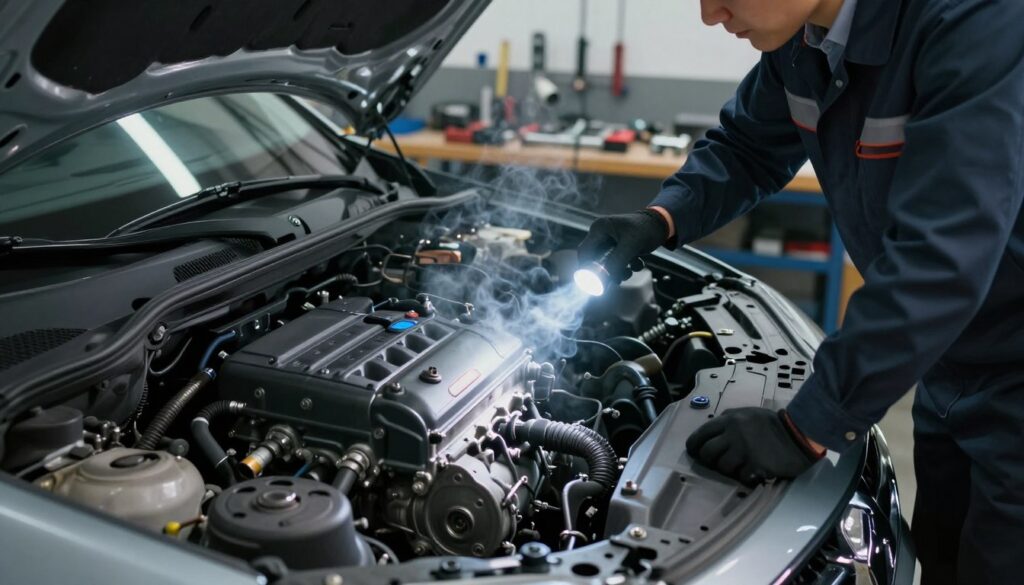
Check Belts and Hoses for Damage
First, look at the serpentine belt and rubber hoses for damage. If a belt is slipping or a hose is hot, it smells bad. Pay close attention to any rubber parts that look shiny or deformed. These signs mean they’ve been too hot.
Look for Oil Leaks
Then, check the engine and valve covers for oil leaks. Oil on hot parts smells bad and can get into the car. Also, check the oil filter and drain plug for any issues.
- Check for dark, wet spots on the engine block.
- Look for smoke rising from the engine bay while the car is idling.
- Verify if the smell persists after the engine reaches operating temperature.
Examine the Exhaust System
Lastly, check the exhaust pipes and catalytic converter for damage. If your car smells like burning oil outside, it might be a leak. Also, remember that other issues like a burnt fuse can smell like oil. Check your electrical parts if everything else looks good.
Troubleshooting Burning Rubber Smells
When you smell burning rubber in your car, find the source fast to avoid damage. This smell means something is rubbing too hard or getting too hot. By following a step-by-step guide, you can find the problem before it gets worse. This might lead to a more complex troubleshooting checklist scenario.
Identifying Worn or Slipping Belts
A worn or misaligned serpentine belt is often the cause of a car smells like burning rubber under the hood. These belts stretch or lose grip over time. When they slip, they make a sharp, smelly friction.
Look for fraying, cracking, or glazing on your belts. If the underside is shiny or smooth, it’s slipping. You need to replace it to fix your engine.

Assessing Brake Issues
The smell might also come from your brakes, not just the engine. If your car smells like burning rubber outside after driving, your brake pads might be rubbing too much. This rubbing makes the brakes very hot, overheating the rubber parts.
Listen for squeaking when you slow down. Squeaking brakes and a burning smell mean your pads are worn or a caliper is stuck.
Checking for Tire Problems
If belts and brakes are okay, check your tires. A tire rubbing against the wheel well or fender liner smells like rubber. This usually happens after a crash or if something in the suspension is loose.
Make sure your tires are the right pressure and not rubbing against the car. Fixing these problems quickly keeps you safe and your car running well.
Troubleshooting Burning Oil Smells
When your car smells like oil inside, it means fluid is leaking onto hot parts. This usually comes from a leak under the hood. It can cause the engine to overheat if not fixed quickly.
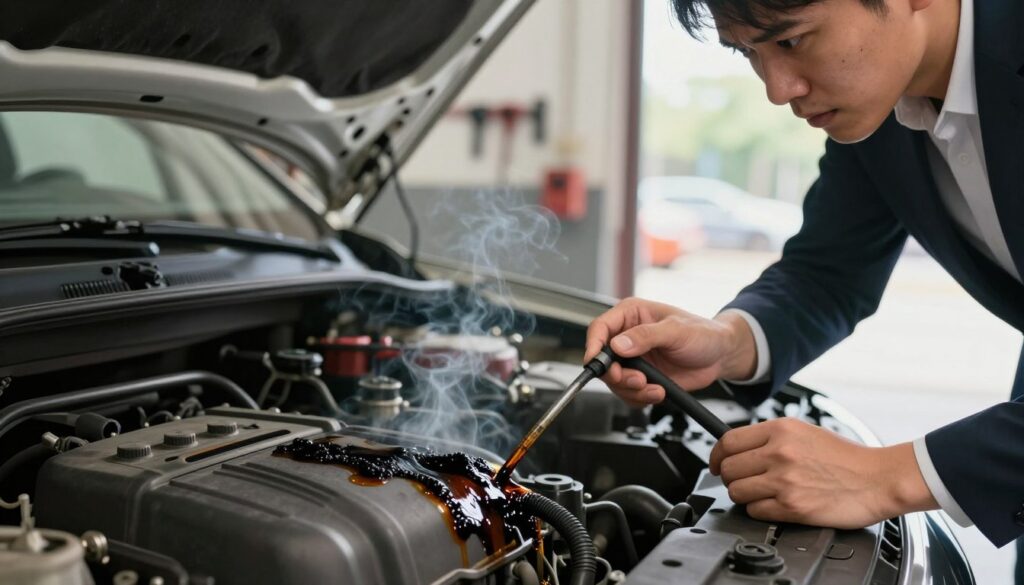
Recognizing Oil Leaks and Their Origins
A burning oil smell in car often comes from oil on the exhaust manifold. If your car smells like burning oil outside, look for oil spots on the ground. Visual inspection is key to finding the leak.
Look for dark, wet spots around the engine or near the transmission. Oil spills during service can also cause smells. If the smell doesn’t go away after cleaning, you have a real leak.
Assessing Engine Seals and Gaskets
Engine seals and gaskets can let oil escape over time. They can harden or crack from heat. The valve cover gasket often fails, letting oil onto the exhaust system.
Check the valve cover for leaks or grime. Oil in the spark plug wells means the seals are failing. Replacing these critical components will stop the oil from burning.
Monitoring Oil Levels and Quality
Checking your oil levels is essential. Use the dipstick to check the level and color. Milky or dark oil means a problem.
Consistent monitoring helps catch leaks early. Frequent oil additions mean you have a leak. Keeping your engine lubricated prevents overheating and ensures a safe ride.
When to Seek Professional Help
If your car smells like burning rubber and smoke, it’s time to get expert help. Some smells mean serious mechanical problems that need special tools. Ignoring these signs can cause big engine damage or even fires.
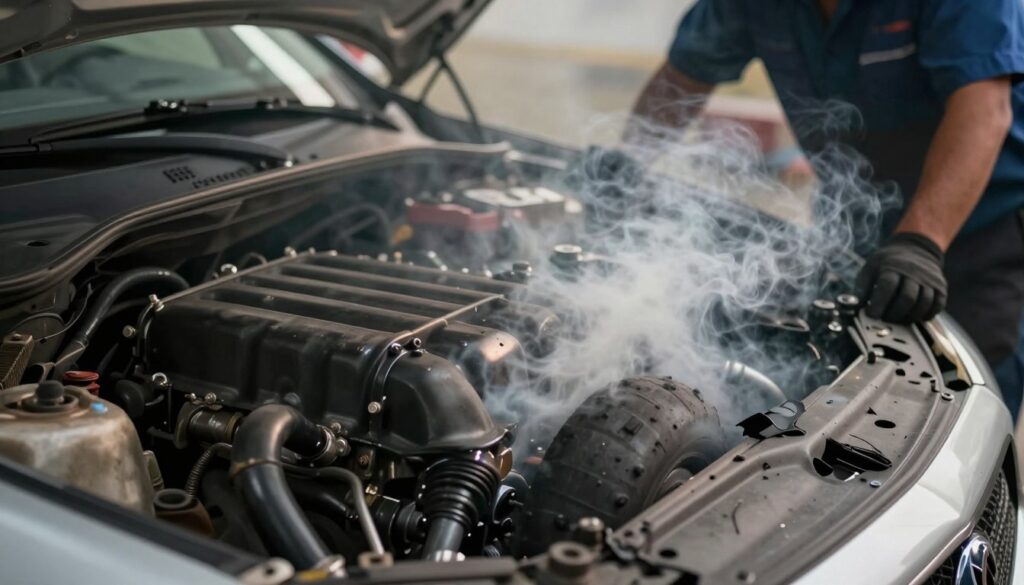
Signs That Indicate a Severe Issue
Get professional help right away if you see dashboard warning lights or lose power suddenly. These signs often mean serious electrical problems, stuck parts, or big fluid leaks. When your car shows these signs, it’s not safe to drive.
“The best way to ensure your vehicle remains reliable is to address unusual odors before they escalate into expensive, dangerous repairs.”
If you’re not sure about the problem, check our guide on burning smells in cars. Always err on the side of caution when you smell smoke. This means there’s a fire hazard under the hood.
Choosing the Right Mechanic
Finding a good mechanic is key. Look for ASE-certified techs who know your car. A good mechanic will give you a clear estimate and explain the problem.
Check online reviews and ask for references to find a reliable shop. Good communication is important. Choose someone who listens and cares about your safety.
Preventative Maintenance Tips
We think that regular care is key to a safe and long-lasting drive. By tackling problems early, our cars stay reliable and odor-free. This proactive approach saves us time and money later on.
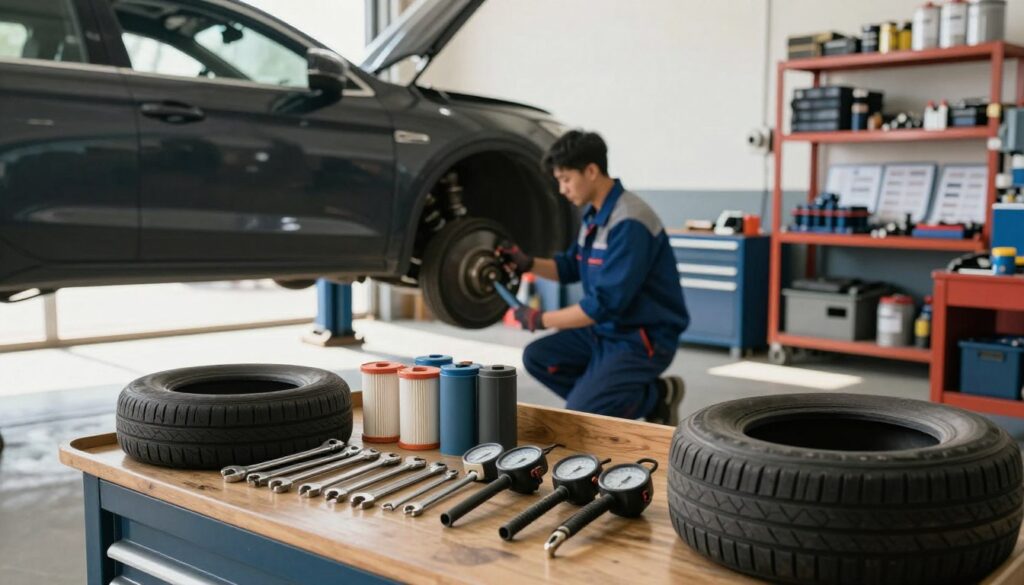
Regularly Check and Replace Belts and Hoses
Parts under the hood wear out fast because of heat. Always check your serpentine belts and coolant hoses for damage at oil changes. Replacing them before they break stops them from burning or slipping.
Don’t forget to service your air conditioning regularly. We recommend recharging it every two years. This keeps it working well and avoids engine strain.
Monitor Fluid Levels Consistently
Fluids keep your car running smoothly. Check your oil, coolant, and transmission fluid levels monthly. Keeping these levels right helps your engine stay cool and safe, reducing burning smells.
Keep Up with Routine Oil Changes
Oil changes protect your engine from heat and friction. Stick to the schedule your car maker suggests. This keeps your oil clean and your engine well-lubricated. Also, it’s a chance for a thorough inspection to catch leaks early.
| Maintenance Task | Recommended Frequency | Primary Benefit |
|---|---|---|
| Oil Change | Every 5,000–7,500 miles | Reduces engine friction |
| Belt Inspection | Every 10,000 miles | Prevents rubber burning |
| AC Recharge | Every 2 years | Ensures system efficiency |
| Fluid Level Check | Monthly | Maintains safe temperatures |
The Importance of Quick Action
When your car smells like something is burning, you must act fast. Many drivers wait to see if the smell goes away. But, mechanical problems rarely fix themselves and can get worse quickly.
Promptly addressing these warning signs is key to staying safe on the road. We think it’s better to prevent problems than to fix them after they happen.
Potential Risks of Ignoring the Smell
Ignoring a burning smell can be very dangerous. It could lead to electrical fires under the dashboard or in the engine. When you smell burning rubber and smoke, it’s a big warning sign.
These smells mean important parts might be overheating or melting. It’s because of too much friction.
“An ounce of prevention is worth a pound of cure.”
Driving with these symptoms can cause your car to break down in traffic. Your safety and the safety of your passengers depend on your willingness to act quickly when something feels wrong. Don’t wait for a warning light to pull over and check your car.
Long-Term Damage to Your Vehicle
Waiting to fix problems can lead to big engine failures. Small issues or worn belts are cheap to fix early. But, ignoring them can cost a lot to fix later.
Heat can also damage metal parts and seals. Taking swift action prevents the domino effect where one failing part destroys others. We suggest getting a professional to check your car as soon as you notice a problem.
Frequently Asked Questions About Car Smells
Ever wondered about those weird smells in your car? You’re not alone. Many drivers face strange scents that are hard to figure out. For a full guide, check out this car smells guide to learn more.
What Does a Burning Rubber Smell Mean?
When your car smells like burning plastic, it might mean an electrical problem. This smell happens when wiring insulation melts. It could also mean rodents chewed on your wiring.
Also, if your car smells like burning rubber outside after driving, it’s a sign. It means a belt is slipping or a hose touched a hot engine part. Check these parts often to avoid engine damage.
Is Burning Oil Causes for Major Concern?
Yes, a burning oil smell is a serious issue that needs quick action. It means oil is leaking and hitting hot parts. Ignoring it can damage your engine or even cause a fire.
If you smell burning oil, don’t drive your car. Here’s what to do:
- Pull over to a safe spot right away.
- Turn off the engine to stop oil flow.
- Call a mechanic to check your engine seals and gaskets.
Acting fast keeps your car safe and your investment sound. Always get a pro to check burning smells.
Conclusion: Keeping Your Car Safe and Smell-Free
Your car is a complex machine that needs everything to work together perfectly. If you smell something odd, it’s a sign to check it out. It’s a way to keep your car safe and you safe on the road.
Make sure to check your car regularly to catch small problems before they get big. Knowing why your car smells like burning helps you decide when to fix it yourself or call a pro.
Regular care keeps your car running well and your ride comfortable. By following your service schedule, you avoid sudden breakdowns and make your car last longer.
Listen to your car. If you smell something strange or notice something’s off, fix it right away. A well-kept car means peace of mind and reliable driving for a long time.
What does a burning rubber smell mean?
A burning rubber smell usually means a slipping serpentine belt, an overheating clutch, or sticking brake pads. It can also happen if tires rub against the wheel well or if a rubber hose touches the hot engine manifold.
Why does my car smell like burning plastic?
A car smells like burning plastic when there’s an electrical short, melting wire insulation, or if road debris like a plastic bag gets stuck to the exhaust system. This is a serious fire hazard and should be checked by a professional at a shop like Pep Boys immediately.
Why is there a burning oil smell in my car?
A burning oil smell in the car cabin often happens when oil leaks from a valve cover gasket or camshaft seal and drips onto the hot exhaust. The fumes are then pulled into the vehicle’s HVAC system, making the car smell like oil inside.
Is a burning oil smell a cause for major concern?
Yes, it is. If the car smells like burning oil outside, it means fluid is escaping the sealed engine system. This can lead to low oil levels, causing friction damage to the engine, or in extreme cases, the leaking oil can ignite on the hot exhaust components.
What should I do if my car smells like burning rubber and smoke is visible?
If your car smells like burning rubber and smoke is coming from the engine bay, pull over and turn off the engine immediately. This often indicates a seized pulley or a severe belt failure that could lead to a loss of power steering or alternator function.
Why do I only notice a burning rubber smell outside the car?
If the car smells like burning rubber outside but not inside, the source is likely external to the cabin’s air intake. Common causes include overheated brakes after heavy mountain driving or a tire that is misaligned and rubbing against a suspension component.
What if I smell something burning but don’t see any leaks?
When a car smells like something is burning without visible leaks, check for electrical issues or a “dragging” brake caliper. Small electrical components or a stuck AC compressor clutch can emit strong odors without leaking fluids.
Why does it smell like burning rubber under the hood after a long drive?
If your car smells like burning rubber under the hood, check the drive belts for glazing or wear. As components heat up during long trips, a slightly loose belt can begin to slip more frequently, generating that distinct acrid odor.
## Conclusion: Keeping Your Car Safe and Smell-Free
By staying vigilant and using this troubleshooting checklist, we can keep our vehicles in top shape. Whether it’s a simple belt adjustment or a gasket replacement, addressing odors promptly keeps us safe on the road and protects our vehicles for the long haul.

Hello! I’m Moheen Iftikhar, the founder of «CarMotivei». I’m dedicated to covering modern automotive trends, new car technologies, and useful driving insights to keep car lovers updated and motivated. Here, you’ll find detailed car reviews, expert automotive content, and helpful tips for drivers and enthusiasts alike.