



Backup Camera Safety Guidelines and Troubleshooting for Blurry Screens
Today’s cars use advanced systems to help with parking. These systems have become essential for safety. They protect people and property.
Having a clear view is key for your car’s best performance. If your screen gets blurry, it’s a big problem. We think proactive maintenance is important for car owners.
We offer steps to fix blurry screens. This ensures your backup camera works right every time. If you have other car problems, like a clicking starter motor, we have tips to help. Follow these tips to keep your car’s tech in great shape.
Key Takeaways
- Optical parking aids are now critical tools for preventing accidents.
- Clear visibility is a non-negotiable aspect of modern driving.
- Promptly addressing visual obstructions ensures long-term system reliability.
- Regular cleaning and inspection prevent common display issues.
- Responsible ownership involves mastering basic maintenance tasks.
Understanding the Importance of Backup Cameras
Backup cameras have changed how we drive in tight spots. They give drivers more confidence when parking or reversing. They also help us see blind spots behind the car, keeping drivers and pedestrians safe.
How Backup Cameras Enhance Safety
Thanks to modern tech, we can now see things we couldn’t before. Following backup camera tips makes sure your system works well. These cameras show a wide view, helping us spot small kids, pets, or low objects.
Getting your backup camera installed right is key. If it’s not set up correctly, you might miss important things. It’s best to have a pro do it to make sure it works perfectly.
The Role of Backup Cameras in Reducing Accidents
The main goal of backup cameras is to cut down on accidents. They give us a live view, helping us react fast to dangers. Using them is now a must for drivers who want to stay safe.
| Feature | Manual Reversing | Camera-Assisted |
|---|---|---|
| Blind Spot Coverage | Limited | Extensive |
| Reaction Time | Slower | Faster |
| Confidence Level | Moderate | High |
| Object Detection | Difficult | Precise |
Using backup cameras makes driving safer for everyone. We suggest keeping your system in good shape. This way, you get the most safety benefits from it.
Key Safety Guidelines for Backup Camera Usage
Proactive care is key to a reliable rearview system. By following backup camera safety guidelines, your technology becomes a trusted partner in every reverse maneuver. Regular care prevents unexpected failures when you need it most.

Regular Maintenance Checks
Effective backup camera maintenance starts with a simple weekly routine. Inspect the lens for dirt, mud, or road salt that could block your view. Wipe the lens with a soft, microfiber cloth to prevent damage and keep the image sharp.
Don’t forget to check the wiring harness for wear or fraying. Loose connections or exposed wires need immediate attention to keep the system working. A well-maintained camera is less likely to fail when it matters most.
Ensuring Clear Visibility
For backup camera safety, consider environmental factors that can harm image quality. Dirt and moisture are the main enemies of digital sensors, causing blurry or distorted displays. Keep the lens clean to maximize your vehicle’s safety features.
- Wipe the lens after driving in rain or snow.
- Check for condensation inside the lens housing.
- Ensure the camera angle remains properly aligned.
Adhering to Local Regulations
Knowing backup camera regulations is essential for every driver. Federal standards require these systems in new vehicles, but local laws may have specific rules. Learn about dash cam laws and legal requirements by state to ensure your vehicle setup is compliant.
| Maintenance Task | Frequency | Safety Impact |
|---|---|---|
| Lens Cleaning | Weekly | High |
| Wiring Inspection | Quarterly | Critical |
| Software Check | Bi-Annually | Moderate |
| Mounting Check | Annually | High |
Common Causes of Blurry Backup Camera Screens
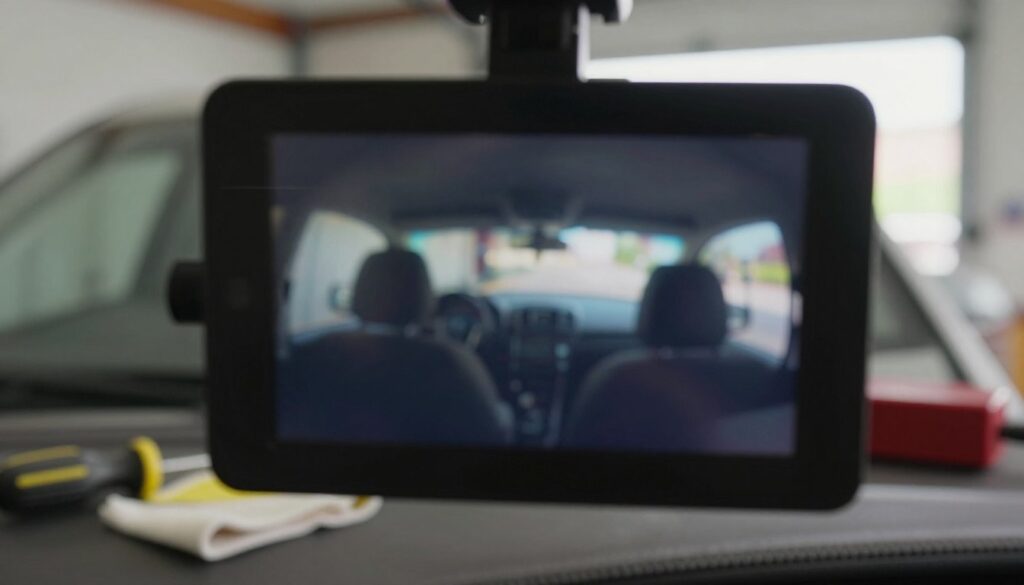
When your car’s rear-view screen gets fuzzy, many things can cause it. Knowing what’s wrong is the first step to fix it. This helps you decide if you can do it yourself or need a pro.
Dirty Lenses and Their Impact
Dirt on the camera lens is a big reason for a bad image. Mud, salt, and dust can block the view. Even a little dirt can mess up the picture.
Weather Conditions Affecting Visibility
The weather can also mess with your camera’s view. Rain or high humidity can make the lens foggy. To fix this, wait for it to dry or gently wipe it clean.
Technical Issues with Camera Sensors
Sometimes, the problem is deeper than dirt or fog. The sensors inside can wear out from extreme temperatures or road vibrations. If cleaning doesn’t help, you might need a pro to fix it.
Steps to Clean Your Backup Camera Lens
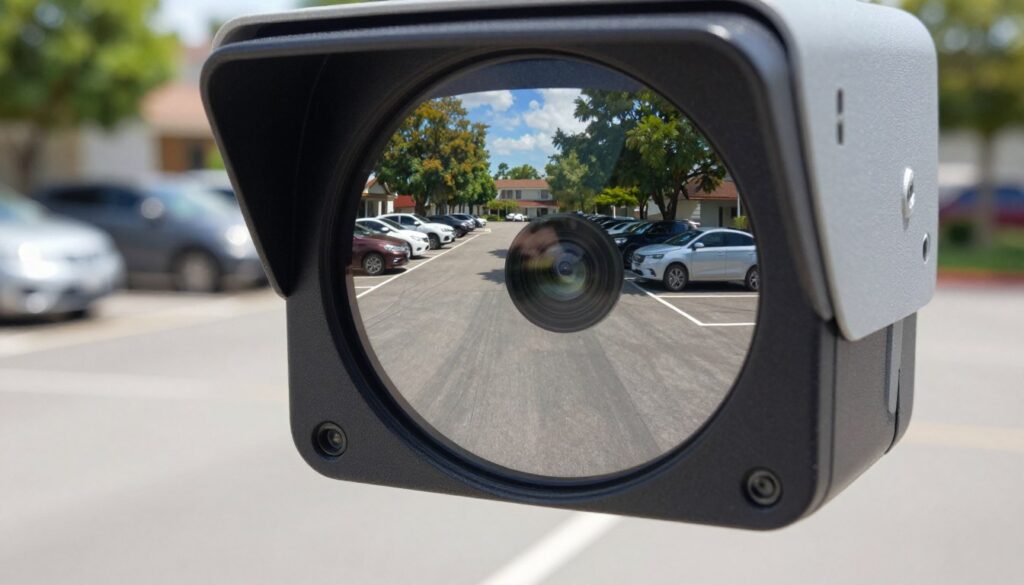
Keeping your vehicle’s rear-facing lens clean is easy and boosts your safety. Dirt, salt, or mud can make the image blurry. Regular cleaning ensures a clear backup camera view every time you reverse.
Recommended Cleaning Solutions
You don’t need harsh chemicals to clean your camera. A mix of mild dish soap and warm water works well. If you prefer a commercial cleaner, make sure it’s safe for lenses or plastic.
Stay away from window cleaners with ammonia. They can damage protective coatings. For better safety, consider blind spot detection systems to go with your camera. The right cleaning supplies are key to a clear backup camera view.
Proper Cleaning Techniques
Cleaning needs to be done gently to avoid scratches. Use a soft, clean microfiber cloth. Avoid paper towels or rough rags, as they can scratch the lens.
Use light pressure and circular motions to clean off dirt. If the dirt is tough, dampen your cloth first. To keep your camera clear, use a hydrophobic spray. These easy steps will keep your backup camera working well for years.
Troubleshooting Blurry Backup Camera Screens
Fixing a distorted or blank screen needs a solid plan. Many times, the problem isn’t with the hardware but with simple mistakes or loose connections. You can often solve these issues at home.
Checking Software Updates
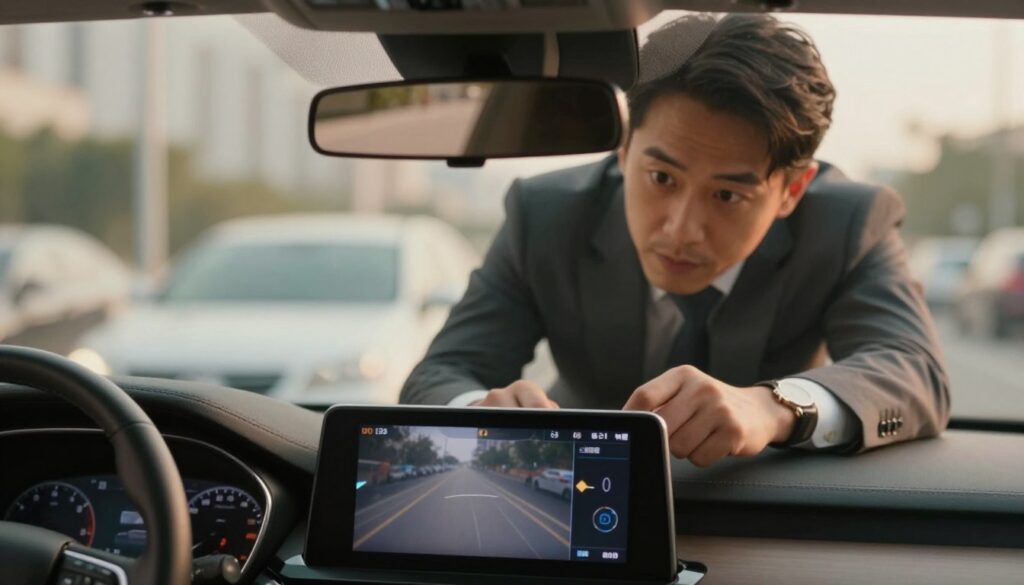
Today’s cars use software to handle video feeds. If your screen looks pixelated or freezes, it might need a firmware update. Look on your manufacturer’s website or in your owner’s manual for updates.
Also, a simple system reset can help. Turn off the car, open the driver’s door to cut power, and then start the engine again. This can fix temporary issues with the camera feed.
Inspecting Camera Connections
If your screen turns on but shows nothing, it might be a bad camera connection or a blown fuse. First, check the fuse box to see if the camera circuit has tripped. A blown fuse is easy to fix and won’t cost much.
Then, look at the wiring near the trunk or tailgate. Vibration can loosen connectors or fray wires. Make sure all video cables are plugged in tight and not damaged.
Evaluating Screen Settings
Fixing backup camera issues often means checking the monitor settings. Sometimes, the input source is wrong, or the brightness and contrast are too low. Go through your infotainment menu to make sure the camera input is set right.
Changing these settings can make the image clearer. If it’s not better, the lens might have moisture or damaged sensors.
| Symptom | Likely Cause | Recommended Action |
|---|---|---|
| Black Screen | Blown Fuse | Replace Fuse |
| Flickering Image | Loose Wiring | Secure Connections |
| Blurry/Dim Feed | Settings/Dirt | Adjust Monitor/Clean |
| System Freeze | Outdated Software | Perform Update |
When to Seek Professional Help
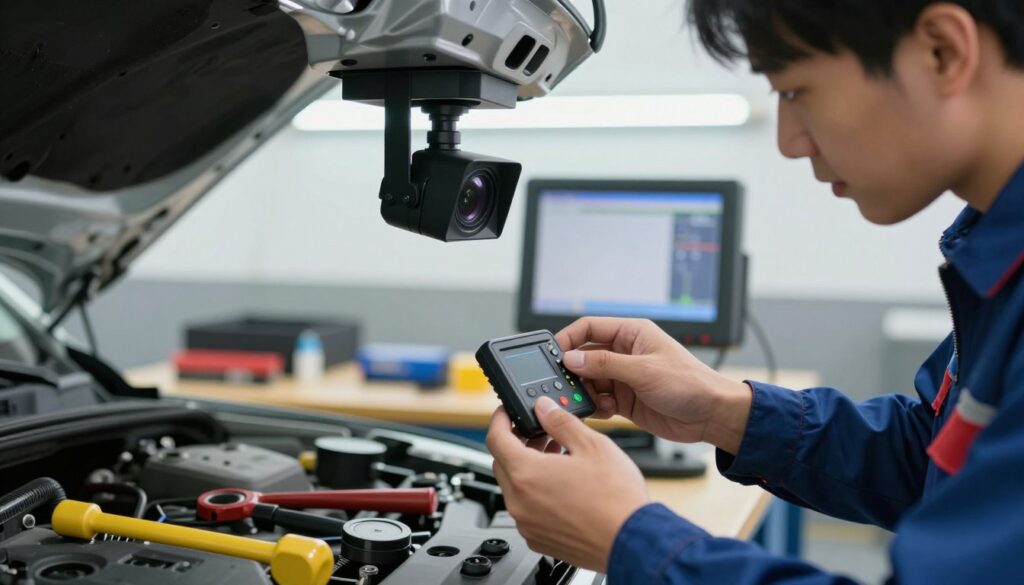
Knowing when to stop DIY efforts and seek professional help is key in vehicle maintenance. You can often troubleshoot backup camera problems yourself. But, some issues need special tools and technical skills. If you can’t fix it, it’s time for an expert.
Signs You Need Expert Assistance
Some malfunctions mean the problem is deep in the vehicle’s electrical system or the camera itself. You should get help if you see these issues:
- Total signal loss: The screen stays black or shows “no signal” even after checking all connections.
- Persistent flickering: A screen that keeps cutting in and out usually means a loose wire or failing sensor.
- Physical damage: Cracks in the lens or water inside the camera need a full replacement.
Ignoring these signs can cause more damage or system failure. If you’re not sure, it’s better to get a professional’s help to avoid electrical damage.
Finding Reputable Auto Service Providers
When you need a professional backup camera repair, picking the right technician is key. Look for someone who knows modern vehicle electronics and has the right tools. Here’s how to find a reliable service provider:
Start by finding shops that specialize in automotive electrical systems or ADAS. You can also review professional guides to see what a standard repair looks like. Always check online reviews and ask for certifications to make sure they’re good at their job.
Choosing a reputable provider means your safety equipment is in good hands. Professional help gives you peace of mind, knowing your camera system will work when you need it.
Backup Camera Features to Consider
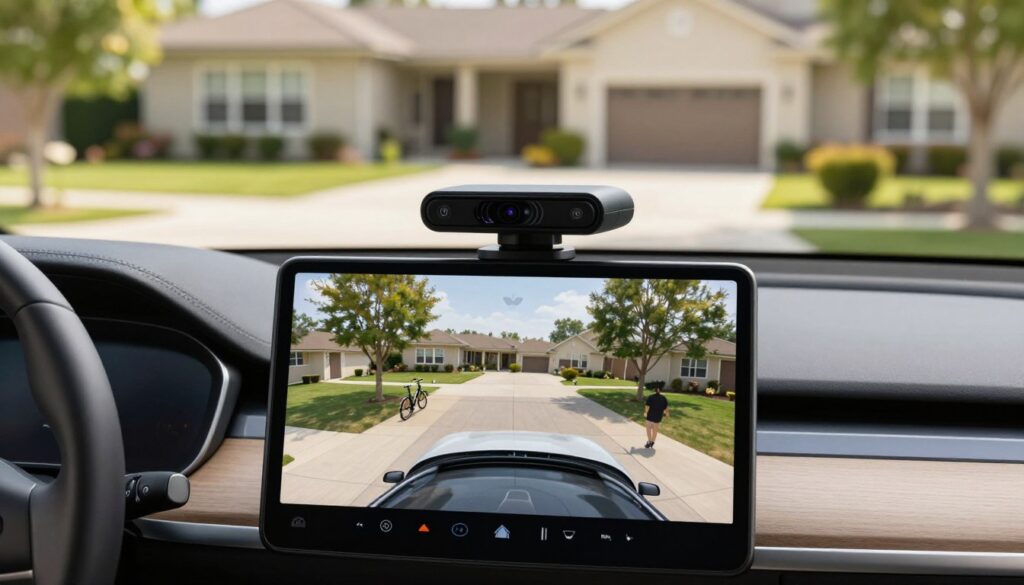
When looking at a new backup camera installation, knowing the features is key. Modern backup camera technology has grown a lot. It now offers more than just a rear view. The right hardware can greatly improve your awareness on the road.
Wide-Angle Views and Their Benefits
Wide-angle lenses are a big help in tight spaces or busy parking lots. They show more than what’s right behind you. This expanded perspective helps avoid accidents and keeps you aware of your surroundings.
Night Vision Capabilities
It gets harder to see at night, making it tough to drive safely. Cameras with infrared LEDs help a lot in the dark. This advanced feature lets you see dangers behind your car, even in the dark.
Integration with Infotainment Systems
Connecting your camera to your car’s screen makes things easier. This setup gives you a bigger, clearer view. If problems come up, check our guide on backup camera troubleshooting to keep your system working right.
| Feature | Primary Benefit | Best Use Case |
|---|---|---|
| Wide-Angle Lens | Eliminates blind spots | Parallel parking |
| Infrared Night Vision | Clear low-light view | Nighttime driving |
| Infotainment Sync | Centralized monitoring | Daily vehicle operation |
Choosing top-notch backup camera technology is wise. Whether you’re doing it yourself or hiring a pro, focusing on these features is smart. It keeps you and your passengers safe in the long run.
Enhancing Overall Vehicle Safety
We see the backup camera as key to safe driving today. Many focus on speed or comfort, but safety is most important. Comprehensive safety comes from all systems working together.
The Importance of Complete Safety Features
Today’s cars have many sensors and systems. They help prevent accidents by watching blind spots and dangers. Just like oil changes, backup camera maintenance is essential.
Ignoring these cameras is as risky as bad brakes or tires. A working camera helps us avoid accidents in tight spots. When all systems work well, crashes are less likely.
How Backup Cameras Fit into a Safety System
The backup camera is a key part of knowing what’s behind us. It connects old mirrors with new sensors, giving us a clear view. This helps us see everything around us.
Regular backup camera safety checks keep it working right. Here’s how different parts help keep us safe on the road.
| Safety Feature | Primary Function | Maintenance Priority |
|---|---|---|
| Backup Camera | Visual Rear Awareness | High |
| Proximity Sensors | Audible Distance Alerts | Medium |
| Side Mirrors | Peripheral Visibility | Low |
| Brake System | Stopping Power | Critical |
Educating Passengers on Backup Camera Use
Your vehicle’s tech is only as good as the person using it. Advanced sensors are valuable, but the human factor is key to safe driving. It’s important that everyone in the car knows how these systems work to use our vehicle safety features best.
Communicating Safety Protocols
Setting clear rules for passengers helps keep the driver focused. When everyone knows the backup camera is a tool, not a mirror replacement, parking becomes safer.
Here are some backup camera tips to share with your passengers:
- Keep noise levels low when reversing to help the driver concentrate.
- Don’t block the driver’s view of the screen or side mirrors.
- The camera view might have a slight delay or distortion, depending on the light.
“Technology serves as a bridge between human perception and environmental awareness, but it requires a disciplined approach to be truly effective in preventing accidents.”
Training New Drivers on Backup Camera Features
New drivers often find it hard to translate the screen image into real distance. It’s essential to teach them how to read parking guidelines and camera angles. This builds their confidence on the road.
Practice in an empty parking lot to help them see how the screen relates to their actual position. By focusing on consistent training, we help new drivers use vehicle safety features accurately. Encourage them to check the camera, mirrors, and over their shoulder. This balanced approach is key to safe driving.
Understanding Regulatory Standards for Backup Cameras
Understanding the rules for car safety is key. When we buy modern backup camera systems, we’re not just getting a handy feature. We’re also ensuring our cars meet high safety standards.
Federal Guidelines on Backup Cameras
The U.S. government has strict rules for rear-visibility tech. These rules are part of the Federal Motor Vehicle Safety Standard No. They set clear standards for all new cars.
“The main goal is to cut down on back-over accidents. This is done by giving drivers a reliable visual aid.”
By following these federal rules, car makers make sure all clear backup camera views are the same. This makes it easier for us to trust our cameras, no matter the car.
State-Specific Regulations You Should Know
While federal law is the base, states can add their own rules. It’s smart to check your local DMV for the latest on vehicle equipment.
State laws often cover:
- Equipment Maintenance: Keeping camera lenses clean and clear.
- Visibility Standards: Rules for display screen placement and function.
- Aftermarket Modifications: Limits on installing non-certified cameras that might mess with safety systems.
Keeping up with these laws helps us keep our cars safe and legal. Whether you’re upgrading or just doing routine checks, knowing the rules is important.
Future Trends in Backup Camera Technology
The car world is about to change a lot. We’re seeing big steps in how cars use digital vision when reversing.
Advancements in Camera Clarity
Now, engineers aim for 1080P resolution and higher to get rid of blurry images. These high-def sensors give clear pictures. Soon, they’ll help drivers see small things easily.
Modern backup cameras will even match human vision in depth. This means safer driving.
The Role of Artificial Intelligence in Vehicle Safety
Artificial intelligence is the next big thing for car safety. Smart software will soon spot people or pets and warn drivers before a crash. This makes cars smarter and safer.
Keep up with these updates as they come out. Getting a new system or a car with these features keeps your family safe. Share your thoughts or ask for help choosing the right gear for your car.
FAQ
How Backup Cameras Enhance Safety
Backup cameras have become essential for safety. They provide a view that mirrors alone can’t offer. This helps eliminate blind spots behind the vehicle.
Modern vehicles use high-quality sensors from brands like Sony or OmniVision. These sensors give us a clear, wide-angle view. This protects both the driver and the environment.
The Role of Backup Cameras in Reducing Accidents
Statistics from the National Highway Traffic Safety Administration (NHTSA) show backup cameras reduce back-over accidents. They help us navigate tight spaces and spot small obstacles or pedestrians.
This protection is key to safe driving. It ensures our maneuvers are informed by real-time data.
Regular Maintenance Checks
Regular backup camera maintenance is vital. We should check the camera housing for cracks and ensure wiring is secure. This prevents minor wear from becoming a major failure.
Ensuring Clear Visibility
A clear view is essential for safety. We should treat the camera lens like the windshield. Verifying the display before each trip is important.
If the feed is hazy, we must address it right away. This keeps us aware of our surroundings.
Adhering to Local Regulations
Starting in 2018, all new light vehicles must have rearview monitoring technology. We ensure our systems meet NHTSA standards. This is about safety, not just following the law.
Dirty Lenses and Their Impact
Dirty lenses are a common problem. A buildup of dust, mud, or salt can quickly degrade image quality. This scatters light, making the view “foggy.”
Weather Conditions Affecting Visibility
Extreme weather can cause blurry screens. Heavy rain, snow, or high humidity can lead to issues. Temperature changes can also cause condensation, trapping moisture behind the lens.
Technical Issues with Camera Sensors
Sometimes, the problem is internal. Over time, the image sensor can degrade. This can cause static, horizontal lines, or a loss of focus.
In such cases, we must look beyond the lens to find the problem.
Recommended Cleaning Solutions
To clean the lens, use a gentle touch. A mix of distilled water and pH-neutral soap is best. Avoid harsh chemicals or cleaners with ammonia.
Proper Cleaning Techniques
Always use a clean microfiber cloth. Gently blot the lens to avoid scratching. This keeps the lens pristine and free from permanent damage.
Checking Software Updates
Blurry screens can sometimes be a software issue. Check for updates or visit a dealership. A simple reboot can often fix the problem.
Inspecting Camera Connections
Loose or corroded connections can degrade the signal. Inspect the video cables and connectors. For DIY installations, ensure connections are tight.
Evaluating Screen Settings
Before assuming hardware failure, check the monitor’s settings. Adjusting brightness, contrast, and sharpness can improve clarity. This is important for different lighting conditions.
Signs You Need Expert Assistance
If cleaning and checking settings don’t help, seek professional help. Recurring signal loss or a “No Signal” message usually indicates a deeper issue.
Finding Reputable Auto Service Providers
Take your vehicle to a certified technician. Shops like Best Buy’s Geek Squad or local ASE mechanics can help. They can diagnose and fix problems safely.
Wide-Angle Views and Their Benefits
Look for lenses with a 170-degree field of view. This allows us to see cross-traffic when pulling out. Brands like Kenwood and Alpine offer high-quality optics.
Night Vision Capabilities
Infrared night vision is great for driving at night. It illuminates the area behind the car without glare. This is essential for clear views in dark areas.
Integration with Infotainment Systems
Modern backup cameras work well with infotainment systems. They often include dynamic parking lines. This makes maneuvering safer and easier.
The Importance of Complete Safety Features
Backup cameras are part of a larger safety system. They work with parking sensors and Rear Cross-Traffic Alert. This provides both visual and audible warnings.
How Backup Cameras Fit into a Safety System
Maintaining the camera is as important as checking tire pressure. A well-maintained camera system is a sign of a safety-conscious driver. It helps prevent accidents and protects our community.
Communicating Safety Protocols
Teach all passengers, including children, to stay alert. The camera is a tool, not a replacement for physical awareness. Always check surroundings and mirrors first.
Training New Drivers on Backup Camera Features
Teach new drivers to use the camera as a final check. Emphasize checking mirrors and looking over shoulders first. This balances fundamental driving skills with camera use.
Federal Guidelines on Backup Cameras
The Federal Motor Vehicle Safety Standard (FMVSS) No. 111 sets the standard. It requires a 10-by-20-foot area to be visible when reversing. Ensure your system meets these standards for safety.
State-Specific Regulations You Should Know
Some states have rules on license plate visibility with backup cameras. Always check local Department of Motor Vehicles (DMV) guidelines. This ensures compliance and safety.
Advancements in Camera Clarity
Expect cameras to move towards 4K resolution. This will improve detail and clarity. Companies like Samsung are leading in developing sensors for extreme light conditions.
The Role of Artificial Intelligence in Vehicle Safety
Future cameras will use AI for object detection. They will identify and highlight pedestrians, cyclists, or pets. This technology will help prevent back-over accidents.
What are the most effective backup camera safety guidelines for daily use?
Always check your surroundings and mirrors first. Then, use the backup camera as a final check. Regular maintenance checks are also important.
Are there specific blurry backup camera solutions for internal condensation?
For condensation, use a hairdryer on a low setting. This may evaporate the moisture. If the seal is broken, professional repair or replacement is needed.
How can I troubleshoot backup camera problems that involve a flickering image?
Flickering is often due to poor electrical ground or loose connections. Check the wiring harness and ensure connections are secure. For Garmin systems, check the power tap into the reverse light.
Do you have any backup camera tips for improving visibility during rainstorms?
Apply a hydrophobic coating, like Rain-X, to the lens. This helps water bead off, keeping the view clear. Regular application can fix weather-related issues.
Is a DIY backup camera installation as reliable as a factory-installed one?
DIY installations can be reliable if done right. Use quality connections and proper cable routing. This ensures long-term reliability.
How to fix backup camera issues when the screen is completely black?
First, check the fuse box. If the fuse is intact, the problem might be a disconnected trigger wire. Verify that the camera gets power only when reversing.
Why is regular backup camera maintenance so important for vehicle safety?
Regular maintenance keeps the camera system working well. It prevents damage from road debris. This ensures our “eyes” in the back of the car stay sharp.

Hello! I’m Moheen Iftikhar, the founder of «CarMotivei». I’m dedicated to covering modern automotive trends, new car technologies, and useful driving insights to keep car lovers updated and motivated. Here, you’ll find detailed car reviews, expert automotive content, and helpful tips for drivers and enthusiasts alike.