


Fuel Pump Failure Symptoms and How to Test Fuel Pressure Easily
Your car needs a steady flow of gasoline to run well. If this flow gets weak, your car might have trouble starting or lose power. Spotting fuel pump failure symptoms early can help you avoid being stuck on the side of the road.
Every driver should know how to do basic checks. Learning how to test fuel pressure easily lets you find problems before they get worse. Just like checking your spongy brake pedal for safety, checking your fuel system is key for your car’s long-term health.
This guide will help you keep your car running well. By learning these simple checks, you save time, money, and stress.
Key Takeaways
- Early detection of mechanical issues prevents costly engine repairs.
- Consistent delivery of gasoline is essential for optimal vehicle performance.
- DIY diagnostic methods save drivers significant time and money.
- Regular maintenance checks help avoid unexpected roadside breakdowns.
- Understanding your vehicle’s systems builds long-term automotive confidence.
Understanding Fuel Pump Functions
The fuel pump is key to your car’s movement. It moves gasoline or diesel from the tank to the engine. Without it, your car can’t get enough pressure for combustion, leading to fuel delivery problems.
What is a Fuel Pump?
A fuel pump is vital for your engine’s fuel supply. It must meet the engine’s pressure needs. If it fails, your engine may sputter or stall.
Types of Fuel Pumps in Vehicles
There are two main types of pumps: mechanical and electric. Older cars use mechanical pumps, while newer ones have electric ones. Electric pumps are inside the tank for better cooling and efficiency.
| Pump Type | Common Location | Primary Power Source | Efficiency Level |
|---|---|---|---|
| Mechanical | Engine Block | Camshaft Rotation | Moderate |
| Electric | Inside Fuel Tank | Vehicle Battery | High |
| High-Pressure | Direct Injection System | Engine Timing | Very High |
How Fuel Pumps Operate
The fuel pump keeps pressure steady in the fuel lines. When you start the car, it primes the system. This ensures fuel gets to the injectors for optimal combustion.
If the pump can’t keep pressure, you’ll face fuel delivery problems when accelerating. Regular maintenance is key to avoiding breakdowns.
Common Symptoms of Fuel Pump Failure
Your car tells you it’s not feeling well through small changes. These fuel pump failure symptoms are key to avoiding being stuck on the side of the road. Paying attention to your car’s behavior helps you fix problems before they get worse.
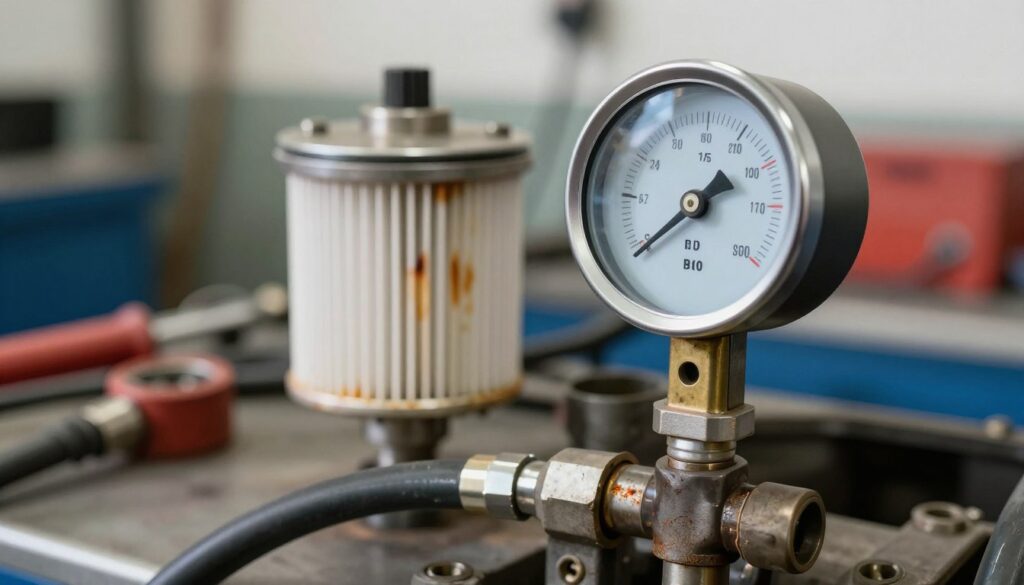
Engine Stalling or Hesitation
One big sign of a failing fuel pump is when your car hesitates when you press the gas. This happens because the pump can’t keep up with the engine’s fuel needs.
When the pump can’t meet the demand, the engine might sputter or stall. This is very risky, like when you’re trying to get onto a busy highway.
Difficulty Starting the Engine
A good fuel pump gives the fuel injectors the right pressure right away when you turn the key. But when it starts to wear out, it might not do this well.
“A well-maintained fuel system is the heartbeat of your vehicle’s performance, ensuring that every journey remains smooth and reliable.”
Starting the engine might take longer than usual. This is a sign that your fuel system needs help from a pro.
Loss of Power While Driving
When driving at a steady speed, your engine needs a steady fuel supply. If the pump is failing, it might not always provide this, causing a sudden loss of power.
You might feel the car “stumble” or lose speed, even with your foot on the gas. This is a clear sign that the pump is not working right.
Unusual Noises from the Fuel Tank
Most fuel pumps make a very faint hum. But if you hear a loud whining or howling noise from the back of your car, it’s a big warning sign.
This noise usually means the pump is having trouble or its motor is failing. Ignoring these signs of failing fuel pump parts can cause a complete system failure, making it hard to start your car.
Additional Symptoms to Watch For
Spotting the early signs of failing fuel pump can prevent a full breakdown. Engine stalling is a common sign, but other symptoms show up first. Watch how your car acts on daily drives to catch these issues early.
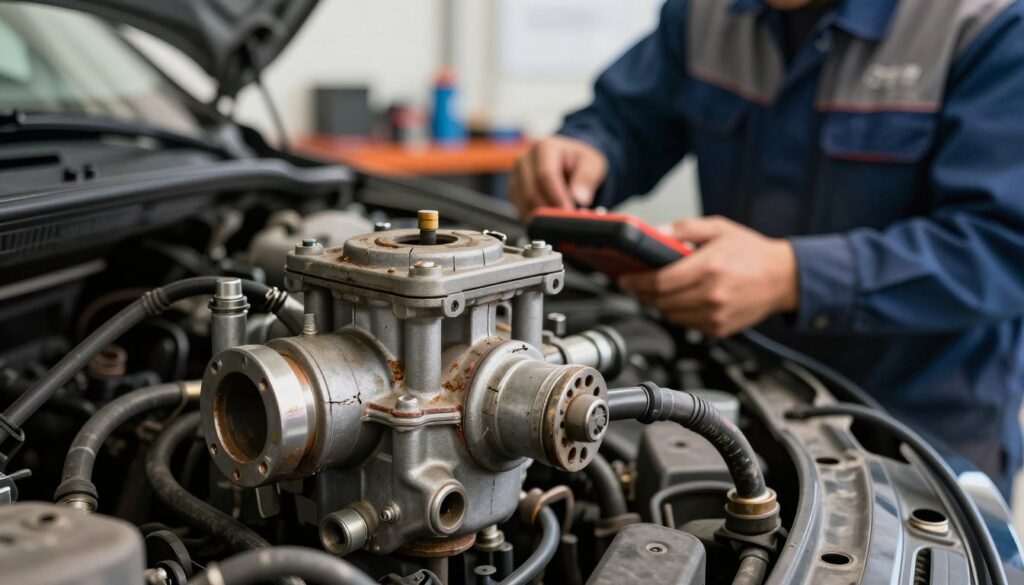
Declining Fuel Efficiency
A failing fuel pump can make your engine use more fuel. This leads to a drop in miles per gallon. It’s a clear sign that something’s wrong.
Dashboard Warning Lights
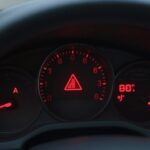
Modern cars have sensors that check the fuel system. If they find a problem, they’ll light up your dashboard. Knowing what dashboard lights mean is key. Fixing these signs of failing fuel pump quickly can save your engine.
Fuel Leaks Around the Pump Area
Fuel leaks are a serious warning sign. If you smell gasoline or see wet spots near the tank, the pump might be damaged. Get it checked right away to keep your car safe.
| Symptom | Severity Level | Recommended Action |
|---|---|---|
| Reduced Fuel Economy | Moderate | Schedule Diagnostic |
| Dashboard Warning | High | Immediate Inspection |
| Visible Fuel Leaks | Critical | Stop Driving/Tow |
Importance of Testing Fuel Pressure
Knowing how fuel pressure works is key for car owners who want their engines to last. We often overlook our fuel systems, but neglect can cause big problems. Checking your fuel system is like resetting your tire pressure monitoring system after a tire change. It’s a smart move for your car’s long-term health.
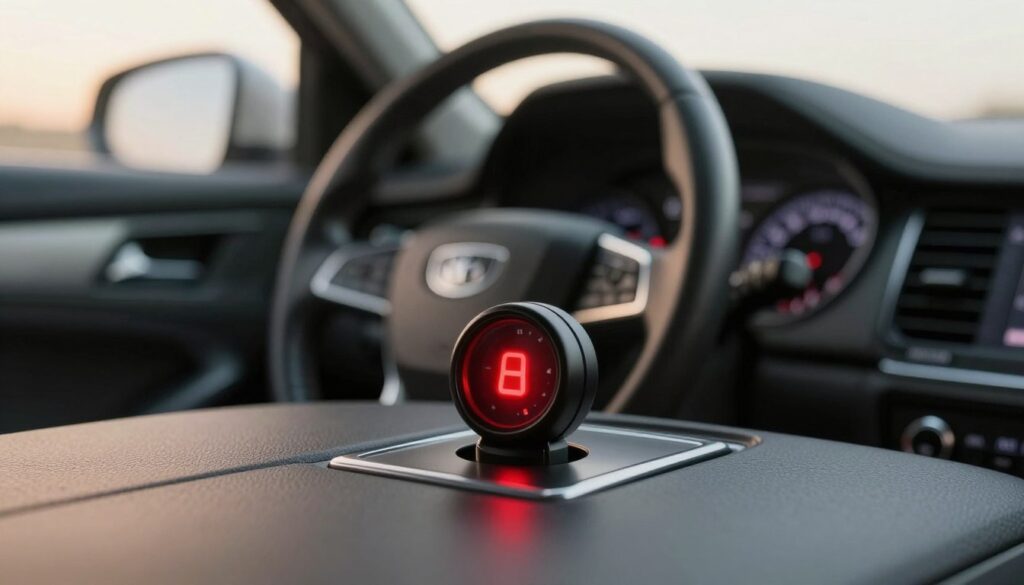
Why Fuel Pressure Matters
Fuel pressure pushes gasoline or diesel to the engine injectors. Precision is key for the engine to work right. If the pressure is off, fuel and air mix poorly, causing damage.
Spotting low fuel pressure indicators early can save your car. It helps find problems like bad pumps or clogged filters before they cause big trouble. Good pressure means every bit of fuel is used well, keeping the engine strong.
How It Affects Engine Performance
Bad fuel pressure makes the engine hard to start or slow to accelerate. You might feel it when you press the gas pedal. Optimal performance needs a steady fuel flow for all driving conditions.
The table below shows the difference between good fuel pressure and signs of trouble:
| Condition | Engine Response | Performance Impact |
|---|---|---|
| Healthy Pressure | Smooth acceleration | Maximum fuel efficiency |
| Low Pressure | Hesitation or stalling | Reduced power output |
| Erratic Pressure | Rough idling | Increased emissions |
Watching for low fuel pressure indicators is a must for car owners. Regular checks keep your engine running smoothly. A well-maintained fuel system means a better driving experience.
Tools Needed for Testing Fuel Pressure
To test fuel pressure at home right, you need the right tools. Make sure your workspace is clean and well-lit. This helps you spot problems like a squealing pump instead of a normal hum.
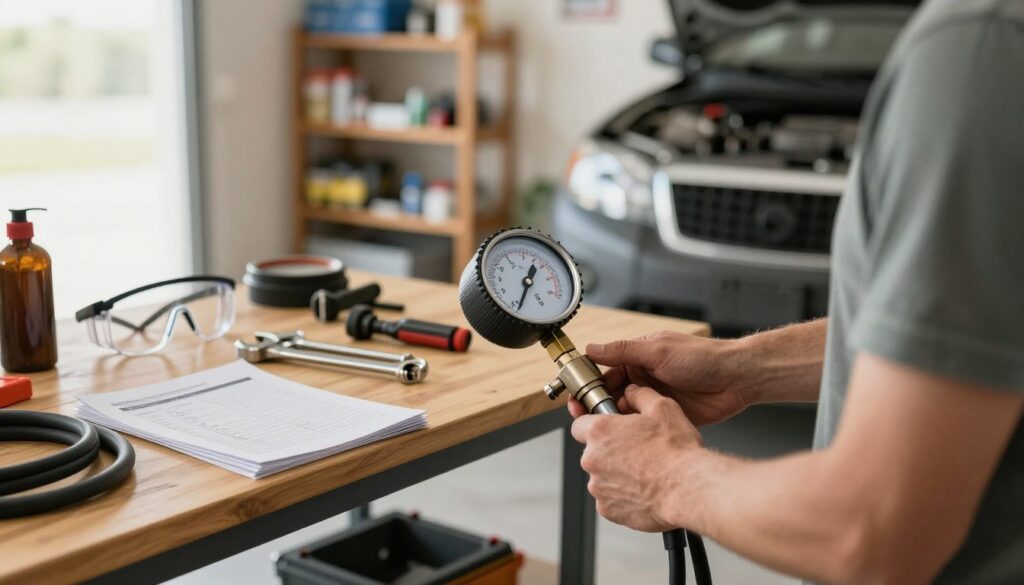
Fuel Pressure Gauge
A good fuel pressure gauge is key. It connects to the fuel rail to show if everything’s working right. If your car’s steering wheel shakes at high speeds, a gauge will tell you if fuel is the issue.
Safety Equipment and Precautions
Working with fuel systems is risky, so safety comes first. Wear gloves and goggles to protect yourself from fuel spray. Have a fire extinguisher ready and work in a well-ventilated area.
| Tool Name | Primary Function | Safety Importance |
|---|---|---|
| Fuel Pressure Gauge | Measures PSI levels | Prevents over-pressurization |
| Safety Goggles | Eye protection | Shields against fuel spray |
| Nitrile Gloves | Skin protection | Prevents chemical absorption |
| Fire Extinguisher | Emergency response | Mitigates fire hazards |
With these tools, testing fuel pressure at home is safer and easier. Always check your connections before starting the engine to avoid leaks.
Step-by-Step Guide to Test Fuel Pressure
Learning how to test fuel pressure easily helps you find engine problems at home. You can avoid expensive repairs by doing your own fuel system diagnostics. This way, you can save money and avoid replacing parts too soon.
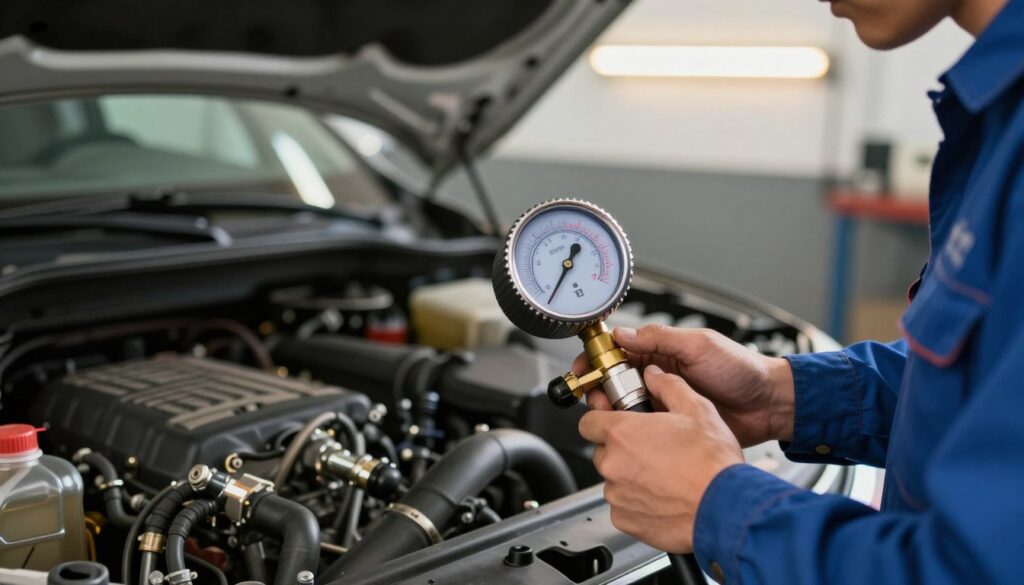
Prepare the Vehicle for Testing
First, make sure the engine is cool to avoid burns. Park on a flat surface and lock the parking brake.
Next, remove the fuel pump fuse or relay. Then, crank the engine until it stops. This clears the fuel lines.
Connect the Fuel Pressure Gauge
Find the fuel rail, a metal tube that feeds the fuel injectors. Look for a Schrader valve, like a tire valve, on the rail.
Attach your fuel pressure gauge to the valve. Make sure it’s tight but don’t overdo it to avoid damage.
Read and Interpret Pressure Values
Put the fuel pump fuse or relay back in. Turn the key to “On” without starting the engine. Watch the gauge needle.
Check your reading against the manual’s specs. If it’s too low, your fuel pump or filter might need fixing.
| Fuel System Type | Typical Pressure (PSI) | Status Indicator |
|---|---|---|
| Multi-Port Injection | 40 – 60 PSI | Normal Operation |
| Throttle Body Injection | 9 – 15 PSI | Normal Operation |
| Direct Injection | 500 – 2000+ PSI | High Pressure Warning |
Troubleshooting Low Fuel Pressure
When you see low fuel pressure indicators, it’s natural to think the fuel pump is the problem. But, we must check the whole fuel delivery system before we decide. This ensures we don’t replace parts that are fine.
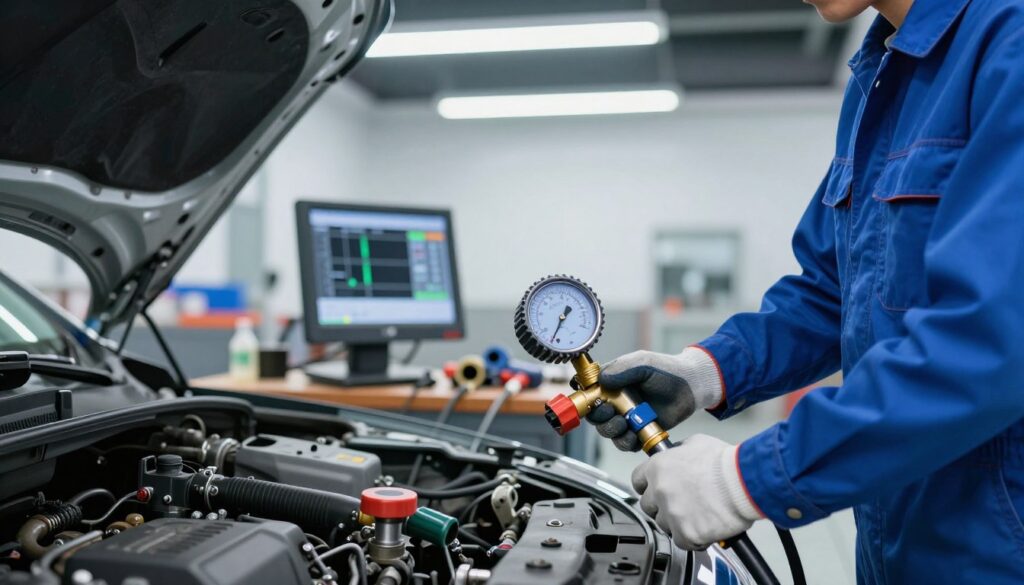
Possible Causes of Low Pressure
Before blaming the pump, look at other parts that might block fuel flow. A dirty fuel filter is a common cause, as it stops enough fuel from getting to the engine. For more tips on testing hi pressure fuel pumps and low fuel pressure, check out expert forums.
A faulty fuel pressure regulator is another possible problem. If it can’t keep the right pressure, the system will have trouble. Check for vacuum leaks or electrical issues in the regulator before looking at the pump.
When to Replace the Fuel Pump
Today’s fuel pumps are not meant to be fixed. When parts like the motor or impeller wear out, you need a new pump. If the pump gets the right voltage but can’t pressurize enough, it’s time for a new one.
Not fixing these problems can harm your engine or fuel injectors. We suggest acting fast when you know the pump is bad. Replacing it will get your car running well again and avoid more electrical system problems.
| Component | Common Issue | Recommended Action |
|---|---|---|
| Fuel Filter | Clogging/Restriction | Replace Filter |
| Pressure Regulator | Leaking/Stuck Open | Replace Regulator |
| Fuel Pump | Internal Wear | Replace Pump Assembly |
| Electrical Wiring | Corrosion/Shorts | Repair/Clean Connections |
Preventive Maintenance for Fuel Pumps
Keeping your car in top shape is key to avoiding costly repairs. By catching problems early, we can dodge fuel delivery problems that leave drivers stuck.
Regular Inspections
Check your fuel system during oil changes. Look for moisture or wet spots around the tank and lines. These could mean a leak.
When you start the car, listen for a smooth hum. Any grinding or whining means your pump might be failing.
Fuel Quality Considerations
Choosing the right fuel is critical for your pump’s life. Use top-tier fuel to avoid clogs and damage.
Don’t let your tank get too low. The pump needs enough fuel to stay cool. Running it dry can cause overheating and fuel delivery problems.
| Maintenance Task | Frequency | Benefit |
|---|---|---|
| Visual Leak Check | Every 5,000 miles | Prevents fire hazards |
| Fuel Filter Change | Every 30,000 miles | Reduces pump strain |
| Tank Level Monitoring | Daily | Prevents overheating |
| System Pressure Test | Annually | Ensures peak performance |
By sticking to these maintenance steps, you can keep your system running smoothly. Regular care is the best way to protect your vehicle.
When to Seek Professional Help
Modern cars have made diagnosing fuel pump failure much harder than before. Basic upkeep is easy, but the complex electronic systems need special skills and tools.
Signs It’s Time for a Mechanic
If your car keeps having problems that you can’t fix, it’s time to call a mechanic. Today’s cars have smart sensors that send out codes like P0087 or P0093 when there’s a fuel pressure issue.
These codes mean the car’s computer has found a problem with the fuel pressure. Trying to ignore these warnings can damage your fuel injectors or engine.
Choosing the Right Professional Service
When you need help with your fuel system diagnostics, find a shop with ASE-certified techs. They know how to read complex data and do safe pressure tests.
Make sure the shop uses the latest diagnostic software that talks to your car’s computer. A good shop will give you a clear price and explain why your fuel pump failed before fixing it.
| Feature | DIY Approach | Professional Service |
|---|---|---|
| Diagnostic Tools | Basic Pressure Gauge | Advanced OBD-II Scanners |
| Code Interpretation | Limited Access | Full System Analysis |
| Safety Level | Moderate Risk | High Safety Standards |
| Repair Accuracy | Trial and Error | Precision Diagnostics |
Good fuel system diagnostics mean you won’t replace parts that work. By picking a skilled expert, you save money and get your car running smoothly fast.
Cost of Fuel Pump Replacement
Knowing the fuel pump replacement cost helps you plan for car maintenance. The price can change a lot. Understanding what affects these costs helps you make smart choices for your car.
We think it’s key for car owners to know about repair costs. Breaking down expenses helps you manage your budget when car problems pop up.
Factors Influencing Replacement Costs
Several things affect the final repair price. The design of the fuel assembly is a big factor. Some cars need the whole tank removed to get to the pump.
Labor costs also matter a lot. Mechanics in different places charge different rates. The job’s complexity also affects the price.
It’s important to pick the right parts for your car. We suggest using high-quality replacement parts. This is true for high-performance cars, as they need to handle modern fuels well.
Average Price Range for Different Vehicles
The cost varies by car make and model. Luxury cars or those with complex systems cost more. This is because they have special engineering.
Here’s a rough idea of what you might pay for a fuel pump replacement in the U.S. These prices include parts and labor.
| Vehicle Category | Estimated Cost Range | Complexity Level |
|---|---|---|
| Economy Sedan | $400 – $700 | Moderate |
| Standard SUV/Truck | $600 – $1,000 | High |
| Performance/Luxury | $900 – $1,500+ | Very High |
Remember, these are just general guidelines. Always ask for a detailed quote from your local mechanic. This will help you understand what your car needs.
Common Myths About Fuel Pumps
Knowing the truth about fuel system myths can save you a lot of time and money. Many drivers jump to conclusions when their car hesitates or stalls. By accurately troubleshooting fuel pump issues, you can avoid costly repairs and keep your car running smoothly.
Misconceptions About Performance
One common myth is about the fuel filter. Many think a failing pump causes any power loss. But, a clogged fuel filter can also limit fuel flow, causing similar symptoms.
Before blaming the pump, check the whole fuel delivery path. Always start by checking the filter and lines when you’re troubleshooting fuel pump issues. Simple maintenance can fix problems that seem like big mechanical issues.
“The greatest enemy of knowledge is not ignorance, it is the illusion of knowledge.”
Debunking Replacement Myths
Another myth is that a fuel pump needs replacing as soon as it shows signs of trouble. But, some performance drops are due to electrical issues or a weak relay, not the pump. Replacing a good part is a waste.
Always do a proper pressure test before replacing the pump. Taking the time to find the real cause is key to effective troubleshooting fuel pump issues. This way, you protect your car and your wallet from unnecessary costs.
Conclusion: Maintaining a Healthy Fuel System
Your car needs fuel to run well. Keeping your fuel system in check helps avoid breakdowns and expensive fixes.
Make sure to check your fuel system often. This keeps your engine running right. By checking for fuel pump failure early, you save your car and keep it reliable. Keeping your tank full helps prevent pump overheating.
Recognizing Early Warning Signs
Notice how your car acts on daily drives. Small engine sounds or power changes can mean trouble. Fixing these issues early saves you money and time.
Best Practices for Longevity
Use top-notch parts like Quantum Fuel Systems for better performance. Regular maintenance catches problems before they get worse. Learning to spot fuel pump failure lets you care for your car with confidence.
FAQ
What are the most common fuel pump failure symptoms we should look for?
Common fuel pump failure symptoms include engine sputtering at high speeds. We also notice a loss of power when driving uphill or towing. A loud whining noise from the rear is a clear sign of a failing fuel pump.
Can we learn how to test fuel pressure easily at home?
Yes, testing fuel pressure at home is easy. Use a Bosch or Innova fuel pressure gauge kit. Attach it to the fuel rail’s test port and turn the ignition to “on”. You’ll see if the PSI levels are correct.
What are the secondary low fuel pressure indicators that suggest a problem?
Low fuel pressure indicators include poor gas mileage and a hard-starting vehicle. Look for diagnostic trouble codes (DTCs) like P0087. This code means the fuel rail pressure is too low.
How do we go about troubleshooting fuel pump issues without replacing parts blindly?
Start by checking the fuel pump relay and the fuse. If they’re okay, do a fuel volume test. This ensures the pump is moving enough gasoline. This way, we avoid replacing parts unnecessarily.
Is testing fuel pressure at home dangerous?
A: Testing fuel pressure at home is risky. It involves gasoline under pressure. Always wear nitrile gloves and eye protection. Keep a Class B fire extinguisher nearby. Bleed off pressure before disconnecting lines to avoid fuel spray.
What is the first step in diagnosing fuel pump failure when the car won’t start?
First, listen for the “prime” sound—a two-second hum from the tank. If there’s no sound, use a multimeter to check for power at the pump connector. If power is there but the pump is silent, the motor has seized.
How can we tell the difference between fuel delivery problems and an ignition issue?
Use a shot of starting fluid in the air intake to tell. If the engine fires up briefly and then dies, the ignition is working. This shows the problem is in the fuel system.
Does running the tank low frequently cause the fuel pump to fail?
Yes, running the tank low often causes premature wear. Gasoline cools and lubricates the pump. Low levels can overheat it. Keep at least a quarter tank to protect the pump.
Why is it important to use high-quality parts when addressing signs of failing fuel pump integrity?
Using OEM-quality replacements is key. Modern fuels can damage lower-quality parts. Replacing with a trusted brand ensures the pump can handle today’s fuels.

Hello! I’m Moheen Iftikhar, the founder of «CarMotivei». I’m dedicated to covering modern automotive trends, new car technologies, and useful driving insights to keep car lovers updated and motivated. Here, you’ll find detailed car reviews, expert automotive content, and helpful tips for drivers and enthusiasts alike.