


Lane Keep Assist Problems and Why It Turns Off Unexpectedly
Modern cars use advanced safety features to help drivers stay on the road. These systems give a brief steering wheel nudge to keep you from drifting. But, Lane keep assist problems can really upset many drivers.
Feeling worried when your Lane keep assist turns off unexpectedly is normal. These systems turn off when they’re not sure or if sensors are blocked. Knowing why it happens is key to keeping your car running right.
If you’re searching for Lane keep assist troubleshooting advice, we’re here to guide you. Just like you might need a troubleshooting checklist for a clicking starter, figuring out your safety sensors helps you drive better.
Key Takeaways
- Safety systems use subtle steering inputs to keep your vehicle centered.
- Deactivation often occurs when road markings are faded or obscured.
- Environmental factors like heavy rain can trigger temporary system shutdowns.
- Regular sensor maintenance is vital for consistent feature operation.
- Consult your owner’s manual if warning lights persist on your dashboard.
Understanding Lane Keep Assist Technology
Getting to know your car’s safety features is key to being a better driver. These systems are not meant to replace us. Instead, they act as a vital secondary safety layer to help us on our daily drives.
What is Lane Keep Assist?
Lane Keep Assist (LKA) is a system that watches your car’s position against road lines. If it sees you drifting out of your lane without signaling, it helps steer you back on track.
“Technology is best when it brings people together and keeps them safe on the journey ahead.”
How Lane Keep Assist Works
The system uses cameras and sensors near the rearview mirror. These scan the road for lane lines.
After capturing data, the car’s computer analyzes it fast. If it sees you drifting, it automatically steers you back. This keeps you in control while helping you stay on course.
Benefits of Lane Keep Assist Features
This tech greatly cuts down on accidents from drifting or distractions. It keeps you in your lane, avoiding crashes with other cars or objects.
- Enhanced focus: It gently reminds you to stay alert on long drives.
- Fatigue mitigation: It helps when you’re tired and might react slower.
- Increased confidence: It gives you peace of mind with an extra set of “eyes” on the road.
Learning about these features is vital for safe driving. Knowing how they work helps us appreciate the mix of human and automated help.
Common Problems with Lane Keep Assist
Advanced safety features aim to protect us but can face technical glitches or environmental limits. Drivers often report lane keep assist problems that can be minor or serious. Knowing these issues helps you tell if it’s a temporary glitch or a real problem.

Unexpected Shutdowns
One common issue is when the system suddenly stops working. You might see the dashboard icon turn white, showing the camera can’t read road markings. This lane keep assist malfunction is usually a safety measure, not a failure.
When the system can’t check its accuracy, it turns off to avoid sudden steering. If you often have power issues, check your car’s electrical system. Battery drain causes can affect electronic systems.
Inconsistent Lane Detection
Many drivers struggle with keeping their car on course on roads with faded lines. If the system can’t see the lane well, you might see a lane keep assist disabled message. This is common in construction zones or where old and new road markings mix.
The camera needs clear visuals to work right. If the road is worn or dirty, the system may lose its grip on the lane. Consistency is key for these sensors, and they will often disengage to ensure the driver is in control.
False Activations
Now and then, the system might think a shadow or a crack in the pavement is a lane marking. This can cause false activations, where the car tries to steer or give feedback when it shouldn’t. These unexpected inputs can be startling, even at high speeds.
It’s important to stay alert and hold the steering wheel firmly. While these systems help, they can’t replace human judgment. If you keep getting false alerts, have your camera checked by a certified technician.
Reasons Why Lane Keep Assist May Turn Off
When your car’s tech stops working, it’s often due to certain reasons. A lane keep assist turning off unexpectedly doesn’t always mean there’s a problem. It might just be reacting to changes in its environment. Knowing why it happens helps us stay in control and feel more confident while driving.
Software Glitches
Today’s cars use complex computers to read the road in real-time. Sometimes, a lane keep assist malfunction happens when the computer has a temporary glitch. These issues usually fix themselves when you restart your car, clearing its memory.
If the problem keeps coming back, it might be time for a software update from the maker. Just like fixing a spongy brake pedal is important for safety, keeping your car’s software up-to-date is key for its best performance.
Sensor Blockage or Inaccuracy
The camera and radar systems are like your car’s eyes. If they’re dirty or blocked, like by frost or snow, they won’t work right. This means your lane keep assist not working because it can’t see the lines on the road.
Too much glare from the sun or heavy rain can also mess with the sensors. When the system can’t give accurate guidance, it turns off to avoid steering mistakes. Keeping your windshield and sensor areas clean helps avoid these problems.
Driver Override and Manual Control
Your car always listens to you, the driver. If you turn on your turn signal, it knows you’re changing lanes and stops helping with steering. Also, if you push hard on the steering wheel, it knows you’re taking control.
These features are there to keep you safe. They make sure the tech doesn’t fight you, even in emergencies or planned turns. Here’s a table that shows what makes the system turn off:
| Trigger Category | Specific Cause | System Response |
|---|---|---|
| Environmental | Frost or heavy snow | Automatic deactivation |
| Operational | Turn signal activation | Temporary pause |
| Technical | Software processing error | System reset required |
| Human Input | Manual steering override | Immediate handover |
Environmental Factors Affecting Lane Keep Assist
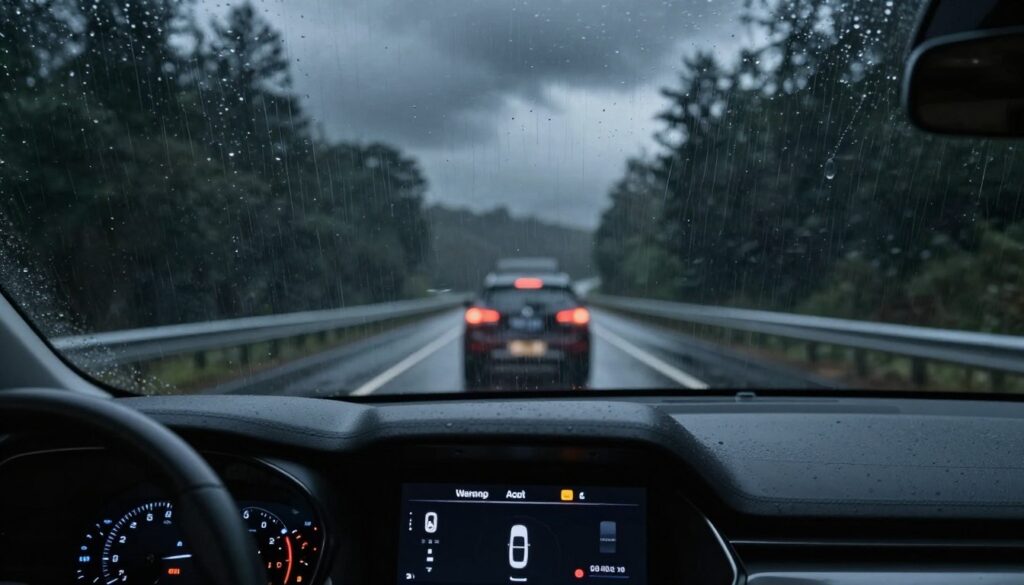
Even the most advanced car tech has limits when nature steps in. We count on our cars to keep us on track. But these systems need clear visual data to work well. When weather gets bad, lane keep assist system failures can happen because the camera can’t see the road.
Adverse Weather Conditions
Heavy rain, thick fog, and snow block the view of the road for car sensors. These weather conditions scatter light and blur the camera lens. This leads to inconsistent performance. Driving in harsh winter weather? Make sure to follow winter driving safety tips for heavy snow and black ice to stay in control when tech fails.
Poor Road Markings
The quality of road markings affects how well safety features work. Faded lines, confusing construction zones, or debris-covered roads can cause lane keep assist errors. If the system can’t find a clear lane, it will turn off to avoid sudden steering.
“Drivers must remember that ADAS features are designed as support tools, not replacements for human vigilance. Environmental variables remain the primary hurdle for current camera-based detection systems.”
Nighttime Driving Challenges
Driving at night is tough for car sensors. Low light and glare from headlights can confuse the camera. This makes it hard for the system to keep track of lane markers, so drivers must take control.
| Environmental Factor | Sensor Impact | System Response |
|---|---|---|
| Heavy Rain/Fog | High Obstruction | Temporary Shutdown |
| Faded Lane Lines | Low Detection | Reduced Accuracy |
| Nighttime Glare | Visual Interference | System Disengagement |
Knowing these tech limits helps us stay safe. We can anticipate when to take control and keep driving safe.
Diagnosing Lane Keep Assist Issues
It’s important to know why your dashboard lights up with warnings. This is key for lane keep assist troubleshooting. When your car finds a fault, it alerts you with lights or sounds.
Spotting these signs early helps figure out if it’s a quick fix or a big problem. Fixing lane keep assist issues fast keeps your safety tech working right on your daily drive.
Warning Lights and Dashboard Indicators
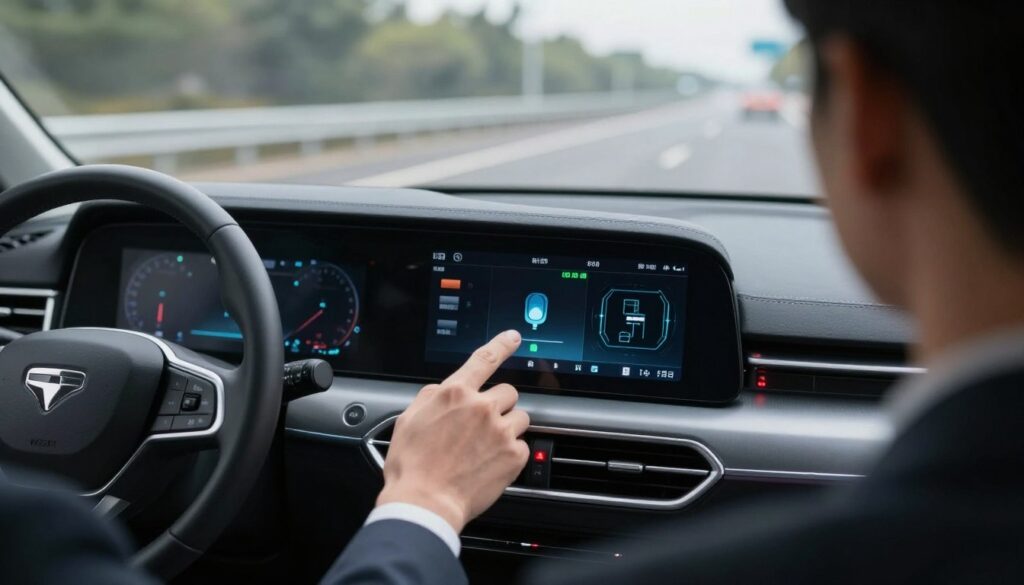
Modern cars show system status with a special icon on the dashboard. If you see a flashing light or a steady warning, the system has a problem it can’t fix itself.
You might get a “Take Steering” alert when driving straight. This happens if the system thinks you’re not steering, even when you are.
Using Diagnostic Tools
If the warning lights stay on, try using an OBD-II scanner. These tools connect to your car’s port to read error codes.
These codes can show if a sensor is blocked or if there’s a software issue. Proper diagnosis is the first step to fix your car’s safety systems.
When to Consult a Professional
Some minor issues can be fixed easily, but complex problems need a pro. If your scan shows ongoing hardware problems, it’s time to see a certified tech.
Don’t try to fix or change safety sensors yourself. This could make your car unsafe. Professional service makes sure your systems work right and meet safety standards.
Maintenance Tips for Lane Keep Assist Systems
Proactive care is key to keeping your driver-assistance tech in top shape. Regular vehicle upkeep can help avoid lane keep assist errors. These errors can mess up your driving experience.
Regular Software Updates
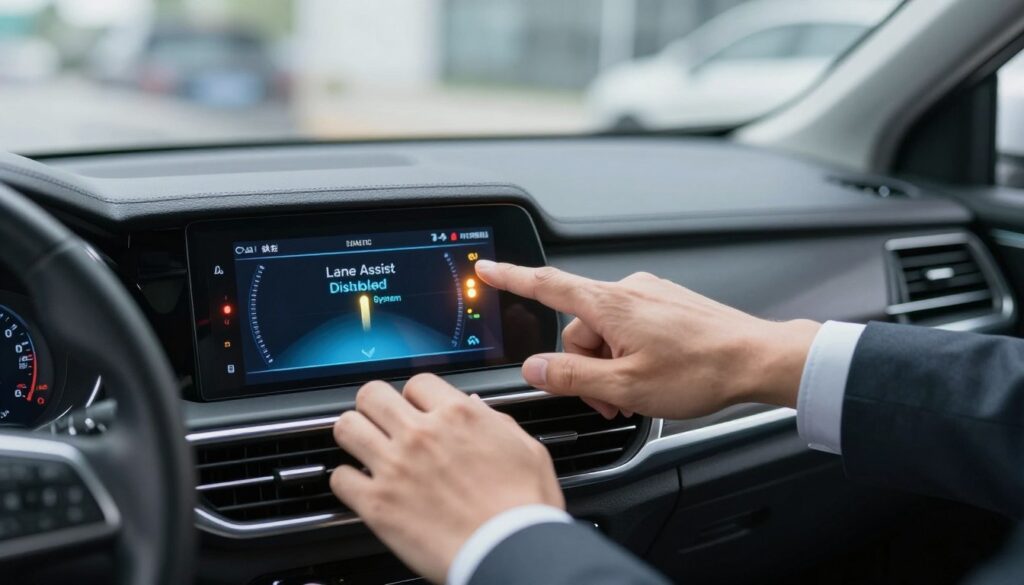
Today’s cars use complex code to read the road. Makers often update this code to fix bugs and improve performance. This can prevent unexpected deactivations.
Check your owner’s manual or the maker’s website for updates. Keeping your software up-to-date is a simple way to keep your safety features working right.
Keeping Sensors Clean
The camera and sensors for lane detection are usually behind the windshield. Dirt, mud, or heavy rain can block them. This can cause lane keep assist errors.
Clean your windshield often, focusing on the area around the camera. If problems persist after cleaning, you can find help on troubleshooting your system to fix it.
Calibration Checks
Even clean sensors might need a pro’s touch for accuracy. If you’ve had your windshield replaced or suspension work, the camera might be off.
A pro can do a precise calibration check. This ensures the system sees the road right. If you see performance inconsistencies that cleaning can’t fix, get expert help.
| Maintenance Task | Frequency | Importance |
|---|---|---|
| Sensor Cleaning | Weekly/As needed | High |
| Software Updates | Per manufacturer | Critical |
| Professional Calibration | After repairs | High |
The Role of Advanced Driver-Assistance Systems (ADAS)
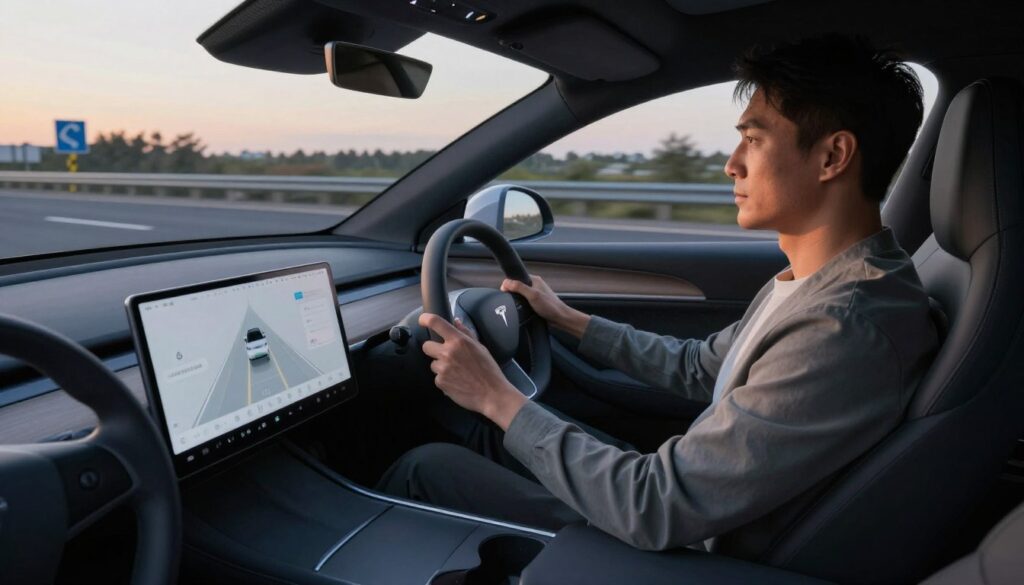
Lane-keeping features are not alone; they’re part of a bigger safety system. Advanced Driver-Assistance Systems, or ADAS, are a big step up in car safety. They work together to give a full view of the road.
Importance of Sensor Integration
Sensor integration is key for today’s safety features. By mixing data from different sources, the car gets a clear picture of its surroundings. This fusion helps the car make smart choices quickly.
Most cars use a mix of technologies to stay aware:
- Forward-facing cameras spot lane lines and signs.
- Radar sensors track distance and speed of nearby cars.
- Ultrasonic sensors watch for close objects at slow speeds.
How ADAS Enhances Lane Keeping Technology
Lane-keeping tech works best with other ADAS parts, like adaptive cruise control and blind-spot monitoring. This collaborative approach helps the car stay on course while controlling speed and distance to other cars.
These advanced systems are meant to help the driver, not take their place. While tech adds safety, the driver is always in charge. Knowing this helps us see how these tools make driving safer for all.
Owner Experiences: Real Stories About Lane Keep Assist
Real-world feedback gives us a peek into how lane keep assist works in everyday driving. Stories from drivers across the United States show how these systems fit into our daily commutes. Technology aims to make driving safer, but real experiences often reveal both its strengths and weaknesses.

Positive Experiences with Lane Keep Assist
Many drivers say these systems boost their confidence on long drives. They see the technology as a helpful co-pilot, guiding the car when they get distracted. This is a big plus on long trips where tiredness can be a big risk.
- Reduced stress during heavy traffic conditions.
- Enhanced awareness on monotonous, straight stretches of road.
- A sense of added security for families and daily commuters.
Frustrating Issues Encountered by Drivers
Some drivers face lane keep assist issues that can be really frustrating. A common problem is when a car gets into a small accident. Then, the lane keep assist gets disabled without clear reasons.
This usually happens to protect the driver, not because of a mechanical problem. If a car gets damaged, the system might not work right. It disables itself to avoid giving wrong steering signals. This might be annoying, but it’s a key safety feature.
Future Innovations in Lane Keep Assist Technology
The future of safety features is exciting. We’re moving from basic alerts to smart systems that predict hazards. These changes will greatly impact how we use our cars every day.
Emerging Trends in Vehicle Technology
New tech in Vehicle-to-Everything (V2X) communication is changing how cars see their surroundings. Cars will share data with roads and other vehicles. This means they’ll work even when road signs are hard to see.
Many drivers face issues with lane keep assist not working because of sensor limits. But, new lidar and mapping tech will give a full view of the road. This tech is more precise than old sensors.
Potential Enhancements for Reliability
Future systems will focus on consistent performance in all conditions. Makers are adding extra sensors to reduce failures. If one sensor gets blocked, the car can switch to another source to stay safe.
Reliability is key for drivers. By improving how software uses sensor data, engineers are cutting down on false alerts. This makes the tech more helpful, not annoying.
The Impact of AI on Lane Keeping Systems
Artificial Intelligence is driving big safety improvements. Machine learning is being trained on vast amounts of road data. This helps cars handle different conditions without shutting down.
The table below shows how we’re moving from current limits to future possibilities:
| Feature | Current Limitations | Future Capabilities |
|---|---|---|
| Sensor Input | Optical cameras only | Sensor fusion (Lidar/Radar/AI) |
| Weather Handling | System often fails | All-weather adaptability |
| Road Markings | Requires clear lines | AI-based path prediction |
| System Reliability | Frequent disengagements | Continuous, stable operation |
Ultimately, we aim for a future where lane keep assist is always reliable. As AI grows, we look forward to cars that are safer, smarter, and more dependable.
Conclusion: Navigating Lane Keep Assist Challenges
Modern car safety mixes human instinct with automated sensors. Many issues with lane keep assist systems are actually safety features. They help keep you safe when things get tricky.
Understanding System Limitations
Keep your car’s sensors clean to work best. Knowing your car’s specific features, like those in Toyota or Honda models, helps. It tells you when the system might stop working.
Being aware of your surroundings is key to avoiding system failures. It’s your best defense against unexpected shutdowns.
Looking Toward Future Safety
Artificial intelligence will make these systems smarter. Soon, they’ll better understand road signs and weather. This could make your daily drive safer.
But, always keep your eyes on the road. Your safety is the most important thing, no matter how advanced your car is. Stay alert and in control for a safe trip.
FAQ
Why is my lane keep assist turning off unexpectedly while I am driving?
Lane keep assist often turns off unexpectedly because the camera can’t see the road lines. Sun glare, heavy rain, or faded paint can cause this. In cars like the Honda Civic, it goes into standby until it can see the lines again.
What should I do if my dashboard says lane keep assist is disabled?
First, check for any physical obstructions like snow or dirt on the windshield. If it’s clear and clean, check the settings menu. If not, you might need a professional to fix a software error.
Can a car wash or heavy rain cause lane keep assist malfunction?
Yes, too much water or soap can mess with lane keep assist. If the camera lens gets foggy or streaked, it won’t work. Cleaning the glass should fix the problem once it dries.
Why am I experiencing recurring lane keep assist problems after a windshield replacement?
Many drivers face this issue after a windshield replacement. Cars like Toyota or Subaru need the camera recalibrated. Without this, the system won’t work right.
Are lane keep assist errors a sign of a broken vehicle?
No, most errors are just the system being cautious. If it can’t see well or get road data, it turns off to keep you safe. It’s not a sign of a broken car.
How can I perform lane keep assist troubleshooting at home?
Start with the basics: clean your windshield and check your tire pressure. Make sure your turn signals are off. If it’s not working, use a diagnostic scanner to find the problem before seeing a mechanic.

Hello! I’m Moheen Iftikhar, the founder of «CarMotivei». I’m dedicated to covering modern automotive trends, new car technologies, and useful driving insights to keep car lovers updated and motivated. Here, you’ll find detailed car reviews, expert automotive content, and helpful tips for drivers and enthusiasts alike.