



Car Problems Diagnostics Guide for Common Engine Warning Signs
I remember the sinking feeling when a mysterious light flickered on my dashboard during a long road trip. It’s a moment of pure anxiety that every driver dreads. Yet, it’s a vital message from your vehicle.
Modern cars use advanced computer networks to alert you before a small issue turns into a big problem.
My car problems diagnostics guide for common engine warning signs aims to turn fear into clarity. By learning to understand these digital alerts, you can fix mechanical issues early. This engine troubleshooting guide helps keep your car running smoothly. It ensures your family stays safe on the road, just like choosing the right car safety ratings for modern family.
My goal is to give you the knowledge to keep your car reliable. Understanding these signals is the first step to becoming a more confident and proactive car owner.
Key Takeaways
- Modern vehicles use advanced sensors to communicate health status through dashboard alerts.
- Early detection of mechanical issues prevents costly repairs and unexpected roadside failures.
- Learning to interpret indicator lights builds confidence and improves overall vehicle safety.
- Proactive maintenance is essential for extending the lifespan of your automobile.
- This resource provides the necessary steps to identify and address possible faults effectively.
Understanding Engine Warning Lights: What They Mean
When you start your car, the dashboard lights flicker. They’re checking your car’s systems. This is like a critical conversation between your car and you. A good guide helps you understand these signals.
The Role of Warning Lights
Warning lights are key to your car’s health check. They’re not just for looks; they’re essential safety features. They watch over your car’s performance, from oil to electricity.
“A dashboard light is the car’s way of asking for help before a small issue turns into a major repair bill.” — Anonymous Mechanic
Common Warning Lights Explained
Knowing what warning lights mean can save you money. Most cars use a color code system. Green or blue means everything’s okay. But yellow or red mean you need to act fast.
| Warning Light | Color | Meaning | Action Required |
|---|---|---|---|
| Check Engine | Yellow/Red | Emission or sensor fault | Schedule diagnostic |
| Oil Pressure | Red | Low oil pressure | Stop engine immediately |
| Battery/Charging | Red | Charging system failure | Check alternator/belt |
| Temperature | Red | Engine overheating | Pull over safely |
Importance of Addressing Warning Lights Promptly
Ignoring warning lights is risky. It can lead to big problems. When a light comes on, it means your car’s computer has found a problem.
I always say to treat every warning light seriously. Fixing small issues early can prevent bigger problems. Being proactive keeps your car safe and reliable.
Diagnosing Engine Performance Issues
Diagnosing engine problems is like solving a puzzle under the hood. Modern cars have nearly a hundred computers that check everything in real-time. Learning to diagnose car trouble helps catch small issues before they get big and expensive.

Symptoms of Poor Engine Performance
When your car isn’t running well, it gives you clues. You might see a rough idle or feel a sudden power drop. These signs often mean the air-fuel mix or ignition timing is off.
“An engine is a symphony of moving parts; when one note is out of tune, the entire performance suffers.”
Other signs include bad fuel economy or a slow throttle. A good engine troubleshooting guide helps sort these problems. By watching how your car acts, you can spot issues with sensors or the fuel system.
Tools for Assessing Engine Performance
To check your engine right, you need the right tools. Pros use advanced tools to talk to the car’s computer. These tools give error codes that make diagnosing car trouble easier.
If you like fixing things yourself, get these tools:
- OBD-II Scanner: This tool connects to your car to read fault codes from the engine control unit.
- Multimeter: Good for checking electrical connections and sensor voltage.
- Fuel Pressure Gauge: Key for checking if your fuel pump is working right.
Using a engine troubleshooting guide helps you avoid missing simple fixes. Remember, modern tools are meant to help, if you know how to use them.
Engine Overheating: Causes and Solutions
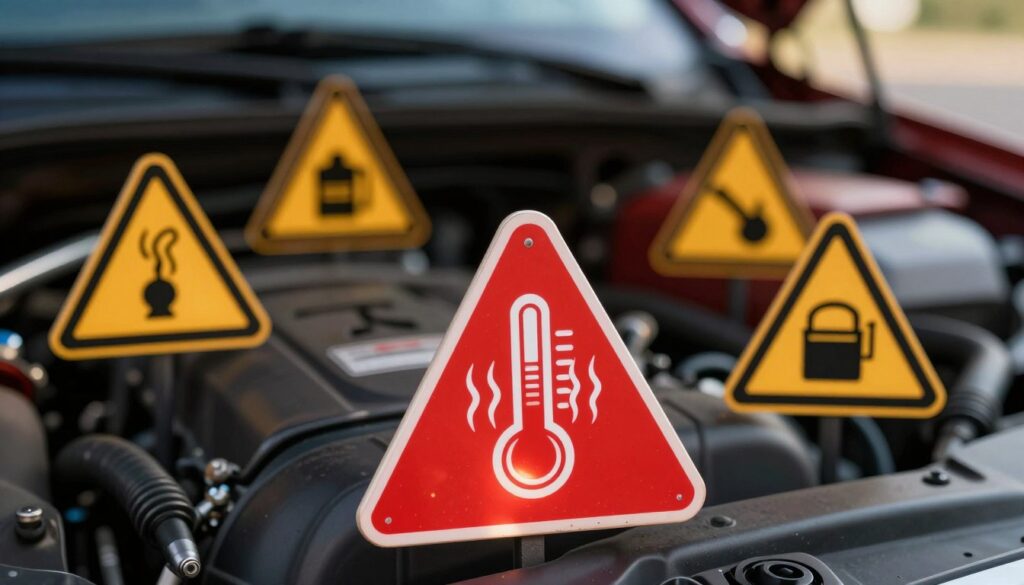
When your car’s temperature gauge hits the red, it’s a big automotive warning sign. Driving an overheated car can seriously damage the engine. It’s key to catch these heat signs early to avoid engine failure.
Identifying Overheating Symptoms
The dashboard temperature gauge moving to the “H” or red zone is a clear sign. You might also see steam or vapor from under the hood, showing a serious cooling system issue. A sweet smell, like syrup, often means coolant is leaking and needs quick attention.
Common Causes of Engine Overheating
Low coolant levels are a common reason for overheating. A clogged radiator or a stuck thermostat can also trap heat. Issues with the water pump or a broken serpentine belt can stop the cooling system from working right.
Quick Fixes and Long-term Solutions
If your engine temperature starts to rise, pull over and turn off the engine. Never open the radiator cap when it’s hot, as it can cause burns. After it cools, check the coolant reservoir and look for leaks under the car.
| Symptom | Potential Cause | Immediate Action |
|---|---|---|
| Gauge in Red | Coolant Leak | Stop and Cool Down |
| Steam from Hood | Radiator Failure | Turn Off Engine |
| Sweet Odor | Hose Damage | Check Fluid Levels |
| Poor Performance | Stuck Thermostat | Seek Professional Help |
To keep your engine running well, flush the cooling system as recommended by the manufacturer. Replace old hoses and check the radiator for blockages. This way, you can avoid future car trouble diagnosis issues. Being proactive with these automotive warning signs helps keep your engine healthy for a long time.
The Check Engine Light: What To Do Next
When the amber light turns on, it’s like a message from your car’s computer. Every new car in the US has had an On-Board Diagnostics (OBD) system from 1996. This system checks your car’s emissions and health, helping you spot problems early.
Common Reasons for the Check Engine Light
Many think the worst when the light comes on, but it’s often simple. A loose or damaged gas cap is a common cause. It stops the fuel system from working right. It’s a small mistake that can cause big problems.
Other reasons include a bad oxygen sensor or a failing catalytic converter. These parts help your car run well. If they fail, your car won’t run right, making engine malfunction troubleshooting key.
Steps to Take When the Light Comes On
If the light turns on while driving, stay calm. First, check your dashboard gauges for signs of trouble. If everything seems fine, you can keep driving but get it checked soon.
Then, use an OBD-II scanner to find the error code. This tool helps you start fixing the problem. Ignoring this warning can damage your car’s engine, making repairs much more expensive. Always get a mechanic’s help if you’re not sure what the code means.
Unusual Engine Noises: Types and Meanings
Listening to your engine can save you from costly repairs. Knowing the sounds your car makes helps you fix problems early. This way, small issues don’t turn into big breakdowns.

Knocking or Pinging Sounds
A metallic knocking sound means your engine might have internal combustion problems. This noise happens when fuel ignites too soon in the cylinders. It’s a sign to check your fuel quality or ignition timing.
A rhythmic tapping could mean worn-out rod bearings or low oil pressure. These engine warning indicators should not be ignored. Ignoring them can cause serious engine damage.
Hissing or Squealing Noises
Hissing sounds usually mean a leak in your cooling or vacuum systems. A sharp squeal when starting your car might be a loose or worn serpentine belt. You’ll need to adjust or replace it right away.
These sounds are easy to spot if you check the engine while it’s idling. Look for fluid spray or cracked rubber hoses when you hear these warnings.
Rattling or Grinding Sounds
Rattling noises often mean loose parts, like a heat shield or an exhaust bracket. But a deep grinding sound is more serious. It usually means failing bearings or metal-on-metal contact.
If you see a blinking check engine light and hear these noises, pull over safely. A blinking light means a serious issue like a misfire. It needs quick professional help to avoid more damage. By paying attention to these engine warning indicators, you can keep your car running well and stay safe.
Engine Vibrations: Causes for Concern
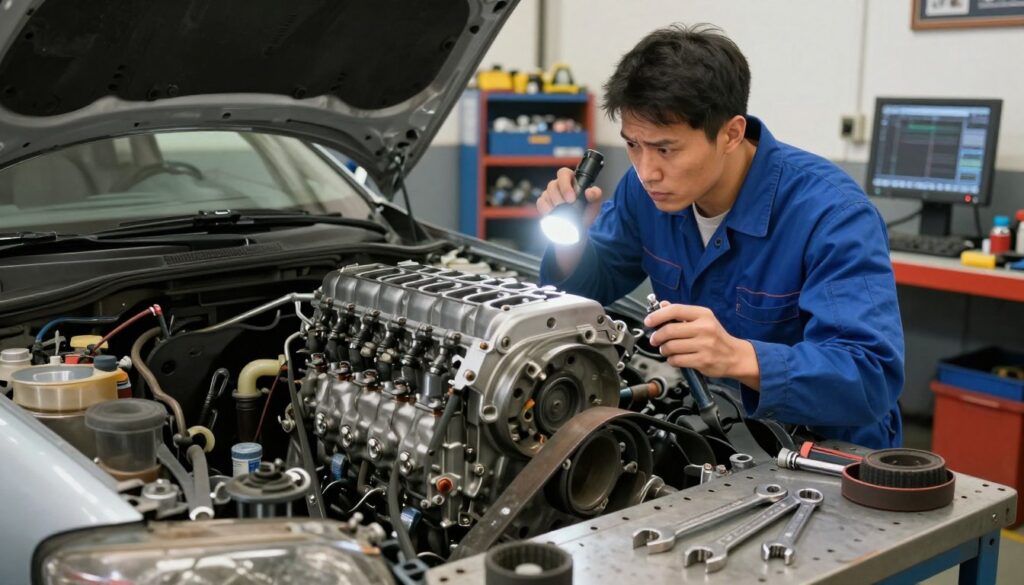
Figuring out why your engine vibrates is key in my common car problems guide. If your car starts shaking, it’s time to find out why. This can save you a lot of money and time at the repair shop.
Identifying Different Vibration Patterns
Not all shakes are the same. The pattern can tell you what’s wrong. A steady hum might mean drivetrain trouble, while a sharp shake could be engine-related.
Pay attention to when the shaking happens. If it’s only at idle or at high speeds, it’s different. Knowing this helps you figure out the problem.
Shaking that gets worse when you speed up might be about fuel or ignition. But if it keeps going even in neutral, it’s likely engine trouble. Spotting these clues is the first step to fixing it.
Potential Issues Behind Engine Vibration
Many things can cause engine shakes. Worn engine mounts are a big one. They let the motor’s energy shake the whole car.
Misfires, where cylinders don’t light up right, are another common cause. You might also see the traction control light on. This is normal in slippery conditions. But if it stays on, it could mean a sensor problem.
Keeping your car in good shape is not just a luxury. It’s about staying safe and reliable on the road.
| Vibration Symptom | Likely Cause | Urgency Level |
|---|---|---|
| Shaking at idle | Worn engine mounts | Moderate |
| Vibration under load | Engine misfire | High |
| Steering wheel shimmy | Wheel imbalance | Low |
| Erratic dashboard lights | Sensor malfunction | High |
Engine Oil Leaks: Spotting and Assessing
Finding oil spots on your driveway is often the first sign of trouble under your hood. These small puddles are more than just a nuisance; they are often early signs of common car engine issues that require immediate attention. Ignoring these drips can lead to significant internal damage over time.
How to Identify Oil Leaks
I always recommend performing a quick visual inspection of your parking space. If you notice dark, amber, or black spots, your vehicle is likely losing fluid. You should also check your oil level regularly using the dipstick to see if it drops faster than expected.
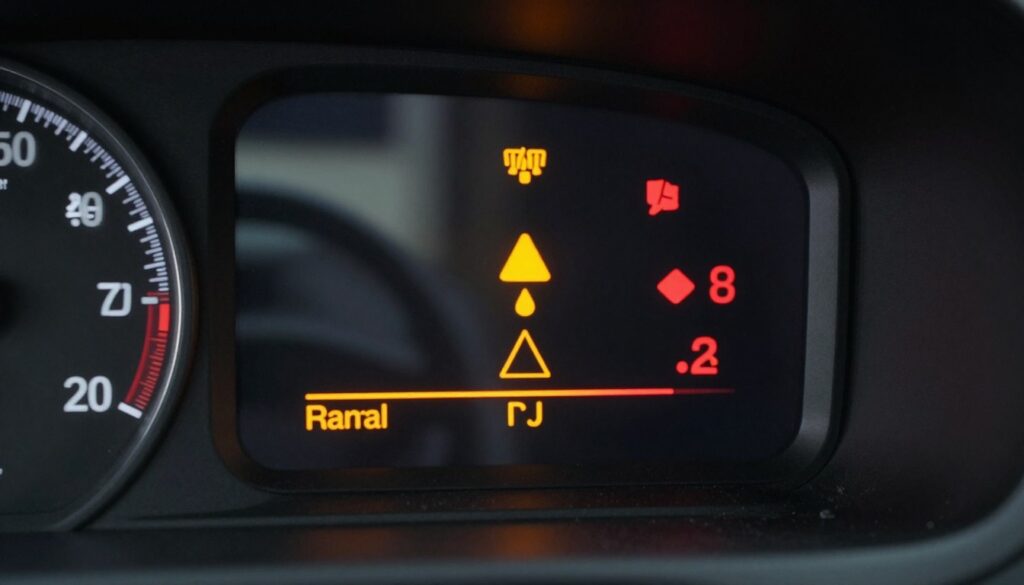
Pay close attention to your dashboard, as engine warning indicators are designed to alert you to critical drops in pressure. An illuminated oil pressure light could indicate low oil or a broken oil pump. This requires you to pull over safely and turn off the engine immediately.
Common Sources of Oil Leaks
Most leaks originate from worn-out components that seal the engine’s internal parts. Over time, rubber gaskets and seals become brittle due to constant heat cycles. You can learn more about these specific problems by reviewing car oil leaks to understand what might be failing in your system.
| Component | Common Symptom | Severity |
|---|---|---|
| Valve Cover Gasket | Burning smell | Moderate |
| Oil Pan Gasket | Puddles on ground | Low to Moderate |
| Rear Main Seal | Heavy oil loss | High |
Stopping Oil Leaks Before They Escalate
Taking proactive steps is the best way to avoid a total engine failure. I suggest keeping your engine bay clean so you can spot fresh leaks before they become large stains. Regular maintenance ensures that gaskets are replaced before they reach the point of failure.
“A well-maintained vehicle is not just a luxury; it is a commitment to safety and long-term reliability on the road.”
If you suspect a leak, do not wait for the situation to worsen. Addressing these common car engine issues early saves money and keeps your car running smoothly. Always monitor your engine warning indicators to ensure your vehicle remains in peak condition.
Frequent Stalling or Misfiring: Understanding the Issues
Frequent stalling and misfiring are common signs of mechanical trouble. When your engine stutters or loses rhythm, it’s a red flag. Fixing these problems early is key to a reliable vehicle and your safety.

Symptoms of Engine Stalling
Stalling shows as sudden power loss, often at stops or lights. You might see RPMs drop or the car shake before it stalls. These signs mean you need to act fast to avoid more damage.
If you’re diagnosing vehicle warning lights, watch how the car acts during stalls. A rough idle before stalling usually means air or fuel problems. Consistency is key to help your mechanic find the issue.
Common Causes of Engine Misfires
Engine misfires happen when cylinders don’t ignite fuel-air mix right. You’ll see P0300 codes on your scanner, showing random or multiple misfires. These codes usually point to ignition or fuel system issues.
Spark plug wear, faulty coils, or clogged injectors often cause these problems. Using vehicle diagnostics tips can help figure out if it’s a simple fix or a bigger electrical issue. Ignoring these signs can hurt fuel economy and damage your catalytic converter.
Fixes for Stalling and Misfiring Engines
Fixing the problem depends on your diagnostic scan results. Often, replacing spark plugs or cleaning injectors fixes it. But, complex issues might need a deeper look at the fuel pump or mass airflow sensor.
Keep a maintenance record to help with diagnosing vehicle warning lights. If basic repairs don’t work, it’s time for a pro to avoid expensive damage. Following these vehicle diagnostics tips will keep your engine running well for years.
| Symptom | Primary Cause | Recommended Action |
|---|---|---|
| Rough Idle | Vacuum Leak | Inspect Intake Hoses |
| Sudden Stalling | Fuel Pump Failure | Test Fuel Pressure |
| Engine Misfire | Worn Spark Plugs | Replace Ignition Parts |
| Power Loss | Clogged Injectors | Clean Fuel System |
Maintaining Engine Health: Preventative Tips
Looking after your vehicle is key to keeping it running well for years. Regular care stops small problems from becoming big, costly repairs. For more on this, check out the definitive guide to diagnosing car issues to avoid mechanical failures.
Routine Care Habits
Simple habits can greatly extend your vehicle’s life. Regularly checking fluid levels and tire pressure keeps your engine in top shape. A quick tip: the small arrow on your fuel gauge points to where the gas flap is.
The Value of Proactive Checks
Regular inspections are a must to catch wear before it hurts performance. Learning to read vehicle warning lights helps you fix problems early. These tips are your shield against unexpected breakdowns.
Knowing When to Seek Experts
Some problems need the tools and skills of a pro. If you face complex electrical codes or ongoing engine issues, a certified tech is your best bet. Relying on experts keeps your car safe and your commute smooth.
FAQ
Where can I find a reliable car problems diagnostics guide for common engine warning signs?
Start with your owner’s manual. Then, use a digital scanner like Carly for real-time data.
What is the first step in a car trouble diagnosis when the engine feels sluggish?
First, check for stored codes with an OBD-II reader. This shows if the ECM has found a sensor failure.
How does engine malfunction troubleshooting differ for a blinking light versus a steady one?
A steady light means you can drive to the shop. But a blinking light means you need to stop right away.
What are the most common car engine issues found in high-mileage vehicles?
High-mileage cars often have worn timing belts, oil consumption, and carbon buildup. This is common in direct-injection engines like Audi’s.
Why is diagnosing vehicle warning lights yourself sometimes better than waiting?
Diagnosing lights yourself can find simple fixes like a loose gas cap. This saves you from expensive repairs.
Can I use an engine troubleshooting guide to fix a noise I hear while accelerating?
Yes, a good guide can help you figure out the problem. It might be a slipping belt or a valvetrain issue.
What are the most critical automotive warning signs I should never ignore?
Never ignore the red oil pressure can or the thermometer icon. These signs mean your engine is in danger.
Is a common car problems guide helpful for DIY repairs?
Absolutely. A guide helps you match symptoms with known problems for your car model.
How often should I check my engine warning indicators?
Check your indicators every time you start the car. If they don’t flash, it might be a fuse or a tampered dashboard.
What are your top vehicle diagnostics tips for new drivers?
Keep a cheap scanner in your glovebox. Learn that yellow means caution, and red means stop immediately.

Hello! I’m Moheen Iftikhar, the founder of «CarMotivei». I’m dedicated to covering modern automotive trends, new car technologies, and useful driving insights to keep car lovers updated and motivated. Here, you’ll find detailed car reviews, expert automotive content, and helpful tips for drivers and enthusiasts alike.


