



Engine Noise Identification Chart: Clicking vs. Ticking Sound Meanings
Did you know that nearly 70% of major car failures start with a small sound that drivers often miss? I made this guide to help you understand car sounds better. With my engine noise identification chart, I want to make it clear what clicking vs ticking sound meanings mean to car owners.
Knowing what these engine noise meanings are is key to keeping your car running long. By doing the right engine noise diagnosis, you can fix small problems before they get big. If you’re not sure what you’re hearing, check out this car problems diagnostics guide for common engine warnings to avoid big repair costs.
Not listening to these early signs can lead to big repair bills. I’ll show you how to listen to your car right. Let’s make sure your car stays on the road for many years.
Key Takeaways
- Most major vehicle repairs start with small, audible warnings.
- Learning to distinguish between different rhythmic patterns helps in early detection.
- Regular monitoring prevents minor issues from becoming costly mechanical failures.
- Professional diagnosis is essential when you cannot identify the source of a new rhythm.
- Ignoring unusual feedback under the hood often leads to long-term damage.
Understanding Engine Noise: An Overview
Learning to understand my car’s language is key for every driver. When I drive, my car tells me about its health through sounds and vibrations. These signals are important to listen to.
Some sounds are normal, but others warn of problems. By listening carefully, I can tell if my engine is okay or needs help.
What is Engine Noise?
Engine noise is the sound made by the engine’s moving parts. Each car engine noise has its own sound and rhythm. These sounds tell us about the engine’s health.
A smooth hum means everything is running well. But strange sounds can mean trouble.
Importance of Identifying Sounds
Knowing what engine sounds mean is vital. It helps avoid big problems and saves money. By recognizing sounds early, I can avoid expensive fixes and breakdowns.
Being able to spot issues early means I can decide if I need a mechanic or just a quick check. Here’s a table that shows how different sounds relate to car health:
| Sound Type | Typical Source | Urgency Level |
|---|---|---|
| Soft Ticking | Valve Train | Low to Moderate |
| Sharp Clicking | Exhaust or Lifters | Moderate |
| Deep Knocking | Internal Bearings | High |
| High-Pitched Squeal | Drive Belts | Low |
Common Types of Engine Noises
As a mechanic, I’ve learned that engine sounds can tell a lot about your car’s health. A good engine noise guide helps you figure out if a sound is just a minor issue or a big problem. Knowing what car engine noise means is key to keeping your car running well.
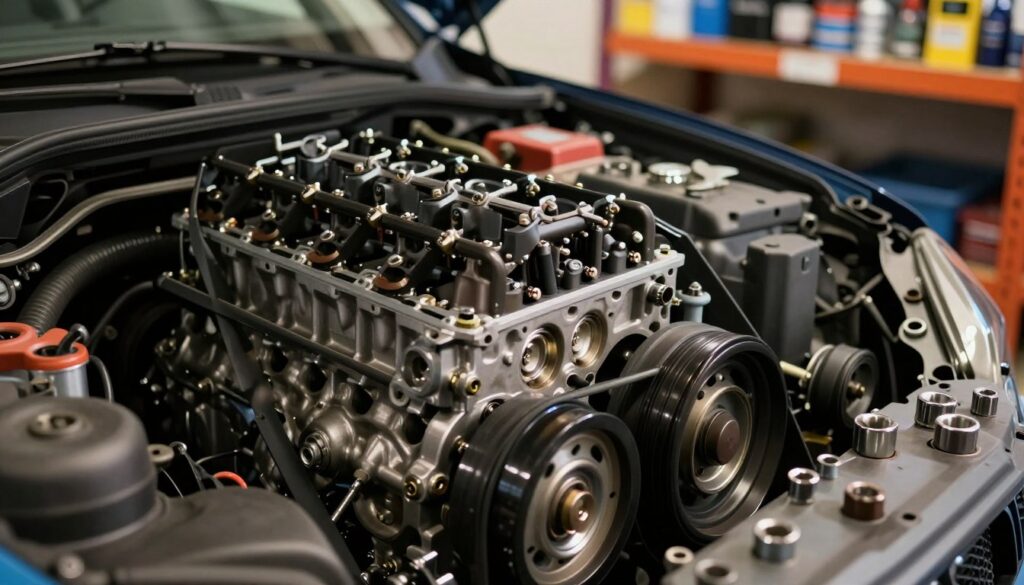
Clicking Sounds
When I hear clicking sounds, I think of the valvetrain. These sounds can mean low oil pressure or worn-out hydraulic lifters. It’s important to check your oil right away to avoid serious damage.
But sometimes, these clicks are normal. They might be from the fuel injectors working. If the sound gets louder, it could be a sign of a bigger problem. Always be careful when buying used cars to avoid engine and transmission issues.
Ticking Sounds
Ticking sounds often mean exhaust manifold leaks or small valvetrain issues. A sharp tick that gets louder with engine speed usually means a bad exhaust gasket. This lets gas escape, making a sound that sounds like engine wear.
Listening to how the sound changes with engine speed is key in diagnosing engine problems. Sounds that change with speed usually point to the engine’s moving parts or the valvetrain.
Other Engine Noises
Then there are deeper, more serious metallic knocks. These sounds come from the engine block, like rod bearings or piston slap. Unlike the lighter sounds of the valvetrain, these thuds mean serious wear that needs quick attention.
Things outside the engine can also make noise. Loose pulleys, failing water pumps, or a worn serpentine belt can sound like engine trouble. It’s important to check these parts first before worrying about the engine.
| Sound Type | Common Source | Severity Level |
|---|---|---|
| Rhythmic Clicking | Hydraulic Lifters | Moderate |
| High-Pitched Ticking | Exhaust Leak | Low to Moderate |
| Deep Metallic Knock | Rod Bearings | Critical |
| Squealing/Chirping | Serpentine Belt | Low |
The Mechanics Behind Clicking Sounds
Understanding why a car engine clicking happens is key to avoiding expensive fixes. These sounds usually come from the valvetrain. When parts in this system don’t work together right, they make noise that tells us something’s wrong.
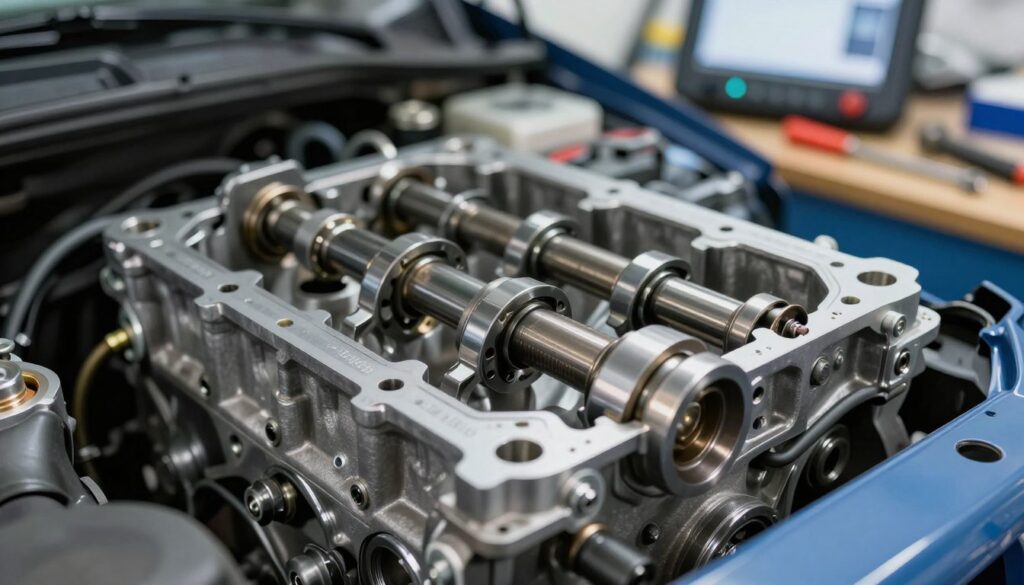
Possible Causes of Clicking Noises
The hydraulic valve lifter is often to blame for these clicking sounds. These small parts need constant oil pressure to work right. If the oil pressure goes down or if sludge blocks the oil paths, they can fail.
When a lifter can’t stay in its right spot, it makes a metallic sound. Over time, this can make it hard for the lifter to move fully. Regular oil changes help keep these parts clean and working well.
Diagnosing Clicking Sounds
To figure out where the noise is coming from, I start by finding the exact spot in the cylinder head. A mechanic’s stethoscope helps me find the source more accurately than just listening.
I also check if the clicking sound changes with engine speed or temperature. If it goes away as the engine warms up, it might mean the oil is helping a sticky lifter. By carefully documenting these changes, I can tell if it’s just a matter of adding oil or if it needs a bigger fix.
The Mechanics Behind Ticking Sounds
When I hear a rhythmic ticking noise from under the hood, I think about the valvetrain. Some minor sounds are okay during a cold start. But, ticking sounds that keep coming are a sign of engine trouble. Catching these early can prevent big engine problems later.

Possible Causes of Ticking Noises
Most ticking noises come from the valvetrain, like hydraulic lifters or valve clearances. If a lifter can’t keep the right pressure, it makes a distinct tap that gets louder as the engine speeds up. Precision is key when fixing these parts, as small mistakes can cause big wear.
Other noises, like pinging or knocking, can come from how the engine burns fuel. Things like the wrong fuel octane or too early ignition timing can make the fuel mix explode too soon. It’s also important to think about how your car affects the environment, as bad fuel burning means more emissions and less fuel efficiency.
Diagnosing Ticking Sounds
When diagnosing engine noises, I first check if the sound changes as the engine warms up. A tick that goes away after a few minutes might be due to oil or thermal issues. But, a sound that stays or gets louder when the engine works harder means a bigger problem.
I suggest using a mechanic’s stethoscope to find where the noise is coming from. By listening with the probe on different parts of the valve cover, you can find out which cylinder or part is making the noise. The table below shows common causes of these sounds to help you figure out what’s wrong.
| Source of Noise | Primary Cause | Diagnostic Indicator |
|---|---|---|
| Hydraulic Lifters | Low oil pressure or sludge | Rhythmic tap at idle |
| Fuel Injectors | Normal operation | High-frequency clicking |
| Exhaust Manifold | Gasket leak | Tick increases under load |
| Combustion Pinging | Low octane fuel | Metallic rattle under acceleration |
Remember, ignoring these sounds can cause serious damage. If you can’t find the source, get a professional to check it out to keep your engine in good shape.
Comparing Clicking and Ticking Sounds
Knowing the clicking vs ticking sound meanings is key for car owners. These sounds can tell us a lot about our engine’s health. By understanding these sounds, we can figure out if our car needs quick attention or just a minor fix.

Key Differences in Sounds
A clicking sound is sharp and metallic, often coming from the valve train or starter. On the other hand, a ticking sound is softer and faster, usually due to oil pressure or exhaust leaks. The clicking vs ticking sound difference mainly depends on the sound’s frequency and the engine part it comes from.
When a sound gets faster with engine RPM, it’s likely from moving parts inside. A sound that stays the same speed might be from outside parts. This knowledge helps me keep my car safe and reliable, thanks to car safety ratings for modern families.
How Each Sound Affects Performance
A light tick might just be cold oil, but a constant click is a serious warning. Ignoring these signs can cause big engine problems. That’s why I always listen to these sounds carefully.
The table below shows the main differences between these engine sounds.
| Feature | Clicking Sound | Ticking Sound |
|---|---|---|
| Primary Source | Valve train or starter | Lifters or exhaust leak |
| Sound Intensity | Sharp and heavy | Light and rhythmic |
| Performance Impact | Potential power loss | Minor efficiency drop |
| Urgency Level | High (Immediate check) | Moderate (Monitor closely) |
When to Seek Professional Help
Knowing when to get professional help for your car can save you from big problems. Some sounds are okay, but engine noise that keeps coming back means trouble. It’s a sign that something serious is going on inside your car.
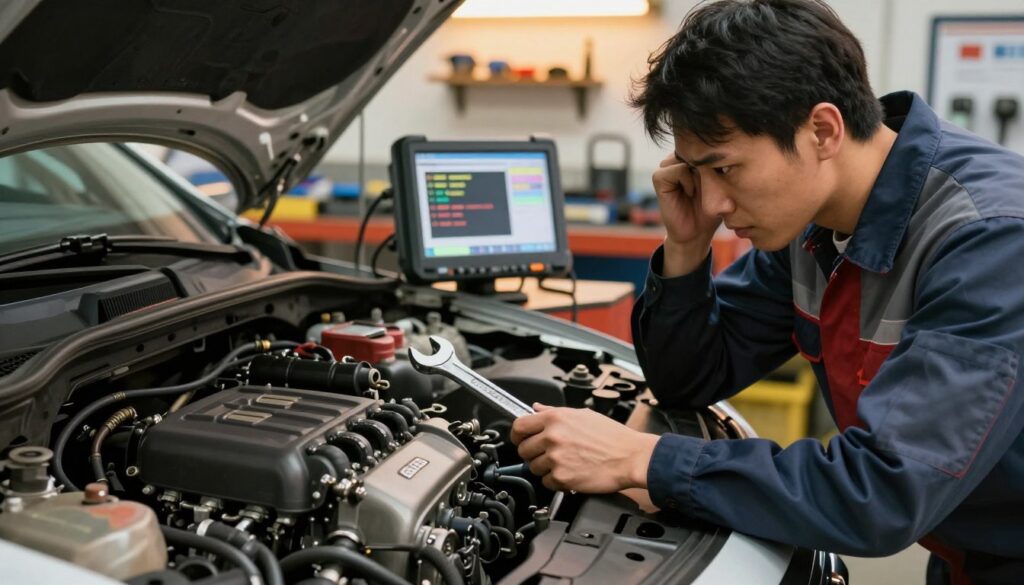
Signs that Indicate Serious Issues
If you hear deep, rhythmic knocking sounds from the engine, pull over fast. This engine noise usually means big problems like a failing rod bearing or a loose piston.
A sudden drop in oil pressure on your dashboard is another warning sign. If you see this and hear loud clattering, stop the engine right away. Driving further can be extremely dangerous and might mean you’ll need a new engine.
The Role of Regular Maintenance
Regular care is the best way to avoid big repair bills. Keeping up with oil changes and inspections helps prevent sudden breakdowns.
By following your maintenance schedule, a technician can spot small problems early. Getting professional help for regular checks keeps your car running smoothly. A well-kept engine is less likely to make loud noises that need urgent attention.
Tools for Engine Noise Identification
Using the right tools can make a confusing rattle easy to understand. An engine noise identification chart is a good start. But, physical tools help me confirm my findings with more accuracy. They let me find out if the noise is normal or if something is wrong.
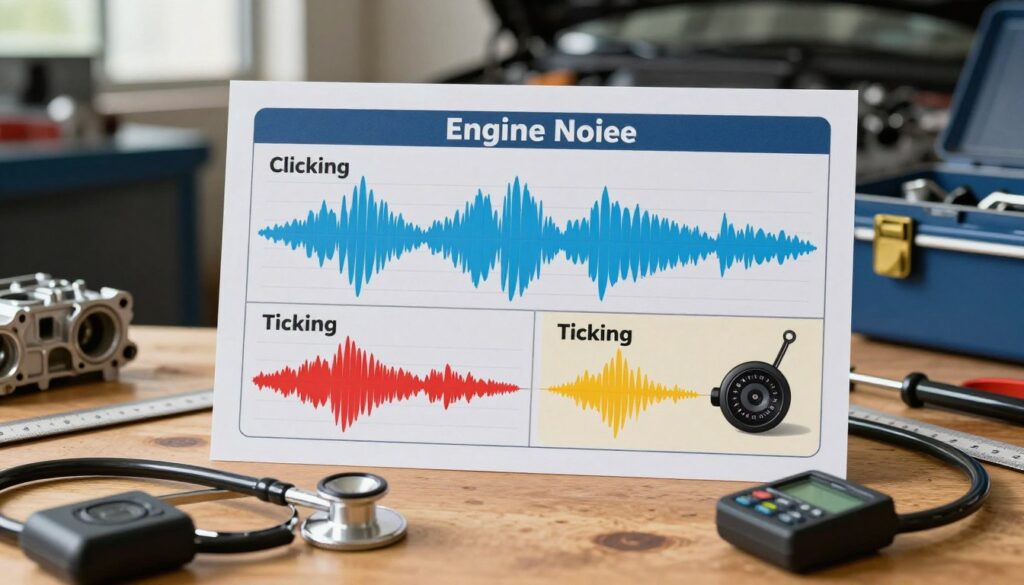
Apps and Devices for Diagnosis
Today, we have many ways to check engine sounds. An automotive stethoscope is simple but very useful. It lets me listen to parts like the alternator or water pump. By touching the probe to different spots, I can find where the noise comes from.
Smartphone apps also help analyze sound frequencies. They show noise patterns, making it easier to compare them to my engine noise identification chart. These apps are great for DIY mechanics but not a full replacement for professional tools.
DIY Inspection Tips
If I don’t have a stethoscope, I use a long screwdriver. I press the screwdriver tip against the engine and listen through the handle. Safety is my top priority, so I avoid moving parts while listening.
I also look for loose bolts or worn belts when the engine is off. Using a engine noise identification chart and doing these checks helps me understand my car’s health before going to a repair shop.
| Tool Name | Primary Use | Difficulty Level |
|---|---|---|
| Automotive Stethoscope | Isolating internal engine sounds | Easy |
| Diagnostic Apps | Frequency analysis | Moderate |
| Screwdriver Method | Basic sound amplification | Easy |
| Visual Inspection | Checking belts and pulleys | Easy |
Understanding Engine Components
I aim to clear up the mystery of engine components that cause annoying clicking and ticking sounds. Knowing how these parts work helps you spot problems early. It’s key for any driver to know their car’s inner workings to keep it in top shape.
Role of Valves and Lifters
Valves control the flow of air and fuel into the cylinders and exhaust gases out. They open and close thanks to the camshaft and lifters. When these engine components wear out, they make a ticking sound.
If a lifter can’t keep the right pressure, it won’t open the valve properly. This can cause a rhythmic noise that changes with engine speed. For more on diagnosing engine noises, check out this guide.
Impact of Timing Chains and Belts
The timing chain or belt keeps the crankshaft and camshaft in sync. If it gets loose or stretched, valve timing goes off. This can lead to rattling or clicking sounds that are quite startling.
Tensioners keep these belts and chains tight. But over time, they can lose their grip. This can cause the chain to slap against guides, leading to damage.
| Component | Primary Function | Common Sound |
|---|---|---|
| Valves | Air/Fuel Intake | Ticking |
| Lifters | Valve Actuation | Ticking/Clicking |
| Timing Chain | Synchronization | Rattling/Clicking |
| Tensioner | Maintaining Tension | Slapping/Clicking |
By keeping an eye on these engine components, you can catch issues before they get costly. Regular checks help prevent big problems and keep your car running well for a long time.
Diagnosing clicking vs. ticking with a Mechanic
Working with a skilled technician is key to fixing clicking vs ticking sound problems. When I take my car in, I like to be part of the fix, not just watching. Getting professional help early can stop small problems from becoming big, costly engine issues.
What to Expect During a Diagnosis
At the shop, the mechanic starts with a visual check and a test drive to recreate the noise. They might use a special tool, like a mechanic’s stethoscope, to find where the sound is coming from in the engine.
One way they figure it out is by cylinder isolation. They turn off one cylinder at a time to see if the sound changes or goes away. This tells them if the noise is from something inside, like a rod bearing or a valve issue.
Questions to Ask Your Mechanic
To understand the problem better, I always have a list of questions ready. Asking the right questions helps me make a smart choice about repairs.
- Can you show me the sound while the engine is running?
- Is this clicking vs ticking sound related to oil pressure or a specific part?
- What are the risks if I wait to fix this?
- Do you think a full teardown or a targeted fix is best for this issue?
Talking with the mechanic helps me know if I need urgent professional help or if it’s just a small thing. Being in the loop helps me manage my budget and keep my engine running smoothly.
Preventive Measures for Engine Noise
Preventing engine noise is cheaper than fixing big problems later. By being proactive, I keep my car reliable and quiet for a long time. Taking consistent preventive measures protects my investment and avoids stress from sudden breakdowns.
Regular Maintenance Tips
My routine is more than just driving; it’s about checking the engine. I check fluid levels every week to avoid friction and noise. If I see leaks, I fix them right away to protect engine components.
I also check belts and hoses for damage. If I hear something odd, I look up guides like this one on diagnosing lifter tick vs rod knock. Knowing what to do early helps prevent bigger problems.
Importance of Oil Changes
High-quality motor oil is key for my engine. I follow the recommended oil change schedule to keep it running smoothly. Using the right oil grade is critical for proper flow, even in extreme temperatures.
Regular oil changes clean out dirt and sludge that can harm hydraulic lifters. Clean oil reduces friction and prevents deposits that cause ticking. This simple habit is a powerful way to keep my car running well.
| Maintenance Task | Frequency | Benefit |
|---|---|---|
| Oil and Filter Change | Every 5,000 miles | Reduces friction and wear |
| Fluid Level Check | Monthly | Prevents overheating and noise |
| Belt Inspection | Every 10,000 miles | Avoids squealing and snapping |
| Leak Detection | Quarterly | Protects seals and gaskets |
Case Studies: Real Life Examples
Looking at real repair scenarios helps solve the mystery of strange engine noises. Theoretical knowledge is good, but seeing these issues in real cars is key. It helps me understand common engine noises that confuse even skilled drivers.
Common Problems Associated with Clicking
A sedan I worked on had a car engine clicking sound when idling. I found that the hydraulic lifters weren’t keeping the right pressure. This caused a metallic tap that needed fixing fast.
“An engine is a symphony of moving parts; when one note is off, the entire performance suffers.”
Another common issue is an exhaust manifold leak. It sounds like a car engine clicking, mostly when the engine is cold. As it warms up, the sound goes away, making it hard to diagnose.
Common Problems Associated with Ticking
Ticking sounds usually mean different problems than clicking. High-pressure fuel injectors often cause a steady ticking. While normal in some engines, it can mean a failing injector needs to be replaced.
Valve train issues also cause ticking. If the valve lash is off, it leads to a tap that gets louder with speed. Regular maintenance stops these problems before they cost a lot. Keeping my car in check means it runs smoothly and reliably.
Conclusion: Keeping Your Engine Healthy
Learning to listen to my car has changed me. I’m now more than just a driver. I’m an informed owner who knows how to read the sounds my car makes.
Summary of Key Takeaways
I’ve learned that different sounds mean different things. By using a reliable engine noise guide, I can tell if something is wrong. This helps me fix small problems before they become big, expensive ones.
Final Thoughts on Engine Noise Awareness
Regular maintenance is key to keeping engine noise under control. I make sure to change the oil and have my car checked often. This way, I can catch any issues early and keep my car running well.
Every strange sound is a sign for me to check things out. This keeps my car in top shape and saves me from the hassle of sudden breakdowns.
FAQ
How can I use an engine noise identification chart effectively?
First, listen to the sound’s rhythm. Does it change with engine speed? Then, match it to the chart’s symptoms. This helps identify issues like valvetrain clicking or exhaust ticking.
What is the main difference in clicking vs ticking sound meanings?
Clicking usually means mechanical clearance problems, like a collapsed lifter. Ticking often points to a leak, like an exhaust gap or a bad spark plug.
Why is engine noise diagnosis so important for my car’s health?
Early diagnosis stops small problems from becoming big ones. It lets you fix small parts before they cause big damage, like a snapped timing chain.
Is a car engine clicking always a sign of a major repair?
No, not always. Sometimes, clicking is just the sound of high-pressure fuel injectors. This is normal in modern engines from brands like Audi or Mazda.
What are the most common engine noise meanings for a sharp metallic tick?
A sharp tick often means low oil or an exhaust leak. If that’s not it, it might be valves needing adjustment or a fuel injector working too hard.
Can I use an engine noise guide to fix my own car?
The guide is great for identifying problems. But, for repairs, it’s best to use professional tools unless you’re really skilled with engine parts.
What is the best way to start diagnosing engine noises at home?
First, check the oil dipstick. Dirty or low oil often causes new sounds. Then, use a stethoscope to pinpoint the sound’s source.
Does the brand of oil affect car engine noise?
Yes, it does. High-quality synthetic oils like Pennzoil Ultra Platinum or Valvoline High Mileage can reduce clicking sounds. This is due to less friction or sludge buildup in the lifters.

Hello! I’m Moheen Iftikhar, the founder of «CarMotivei». I’m dedicated to covering modern automotive trends, new car technologies, and useful driving insights to keep car lovers updated and motivated. Here, you’ll find detailed car reviews, expert automotive content, and helpful tips for drivers and enthusiasts alike.