


Car Won’t Start Troubleshooting Checklist for a Clicking Starter Motor
Ever felt that sinking feeling when you turn the ignition and hear only a clicking sound? Being stuck is really stressful, with places to be and things to do. It’s a moment of pure frustration that makes us wonder what’s wrong under the hood.
This guide is your detailed car won’t start troubleshooting checklist. It helps us find out why the car won’t start. We’ll look at the electrical and mechanical parts that cause a clicking starter motor. Our aim is to give you the info to figure out if it’s a simple battery issue or something more serious.
Understanding the car not starting clicking noise is key to getting moving again. By breaking down these symptoms, we can see if our car just needs a jump or if it needs a pro to fix it. Let’s dive into the usual causes of this silence together.
Key Takeaways
- Identify the difference between a dead battery and a faulty ignition component.
- Learn how to safely inspect battery terminals for corrosion or loose connections.
- Understand the role of the solenoid in the ignition sequence.
- Discover when it is time to call a professional mechanic for help.
- Gain confidence in diagnosing common electrical failures in your vehicle.
Understanding the Clicking Starter Motor
When your car makes a car not starting clicking noise, it can be stressful. But, learning to understand these sounds is key to solving the problem. By figuring out if the sound is fast or a single click, we can quickly find the cause.
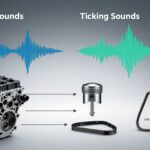
It’s important to tell apart these sounds to know if it’s an electrical or mechanical problem. You can use this engine noise identification chart to understand the sounds better. Precision in our observation can save us a lot of time and money.
What Does a Clicking Sound Indicate?
A fast, repetitive clicking sound usually means there’s an electrical problem. This is because the battery doesn’t have enough power to start the car. On the other hand, a single, loud click might mean the starter solenoid is getting power but can’t turn the engine. This could be due to a mechanical issue or a faulty starter.
“The sound of a vehicle is its primary way of communicating its health to the driver; listening closely is the first step in any successful repair.”
Common Causes of a Clicking Starter
When you hear a clicking noise when turning key, several parts could be the problem. Below is a table to help us identify these common issues based on the symptoms we see.
| Symptom | Likely Cause | Primary Issue |
|---|---|---|
| Rapid Clicking | Low Battery Voltage | Electrical |
| Single Loud Click | Faulty Solenoid | Mechanical |
| No Sound at All | Ignition Switch | Electrical |
| Grinding Noise | Worn Starter Gear | Mechanical |
A clicking starter motor is usually not random. It often means the battery is failing, the terminals are corroded, or the starter solenoid is worn out. By checking these areas, we can fix our car’s reliability with confidence.
Preliminary Checks Before Troubleshooting
When your car won’t start, start with the easy stuff first. Car starter troubleshooting is easier when you check simple things first. This can save you a lot of time and effort.
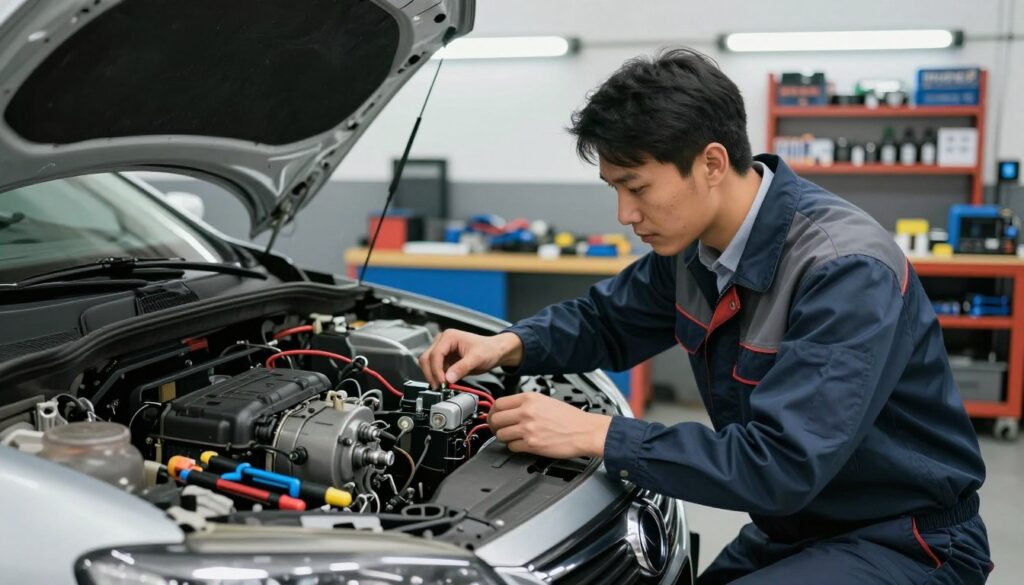
Ensuring Battery Health
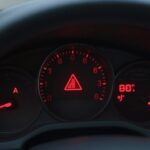
A dead or bad battery is often the main problem. Check the battery terminals for corrosion or loose connections. Also, look out for warning lights on your dashboard. These can tell you a lot about your car’s health.
Learn more about dashboard lights meanings and what to do when they flash.
Checking Fuel Levels
Checking your fuel level is a basic but important step. If your tank is empty, your car won’t start, no matter the electrical system. Make sure your fuel gauge is correct and you have enough gas.
Examining Fuses
If your battery and fuel are okay, check the electrical system. A blown fuse in the starter circuit can stop the engine from starting. Carefully look at the fuse box for any damaged fuses related to the ignition or starter relay. Replacing a fuse is often the quickest fix.
Battery Issues and Troubleshooting
If you’re wondering how to diagnose clicking starter motor issues, start with the battery. A dead or dying battery is often the reason a car won’t start. Before jumping to conclusions, check if the battery has enough power to start the car.
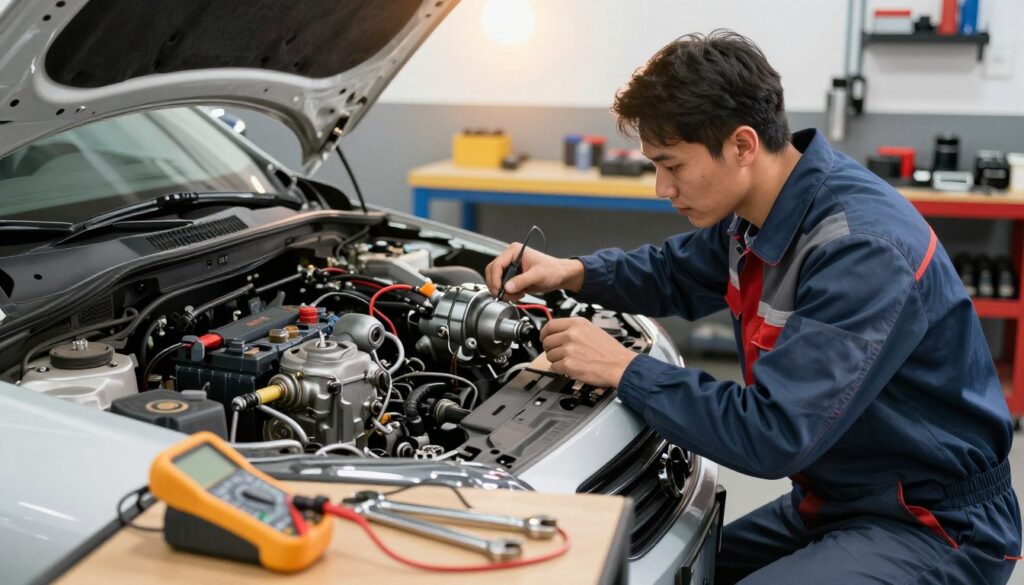
Testing Battery Voltage
To check the battery’s health, we use a digital multimeter. Set it to DC voltage and connect the probes to the battery terminals. A good battery should show about 12.6 volts.
If the reading is much lower, the battery might be dead or not holding a charge. This quick test helps figure out if the electrical system is the problem when your car won’t start just clicks.
Cleaning Battery Terminals
Corrosion on the terminals can block the flow of electricity. This is why cleaning them is important.
Use a wire brush to remove any corrosion. A clean connection is key for the car to work right. For more tips, check our pre-purchase inspection checklist.
Jump-Starting the Car
If the battery seems weak or the terminals are clean but the car won’t start, try a jump-start. This test helps find out if the battery is the main issue.
If the car starts right away with a jump, you’ve solved the problem. Knowing how to diagnose clicking starter motor symptoms helps you figure out if you need a new battery or more electrical checks.
Starter Motor Examination
After checking the battery, we look at the starter motor. If the battery is charged but the engine won’t start, it might be a clicking starter motor. This part turns electrical energy into the force needed to start your engine.
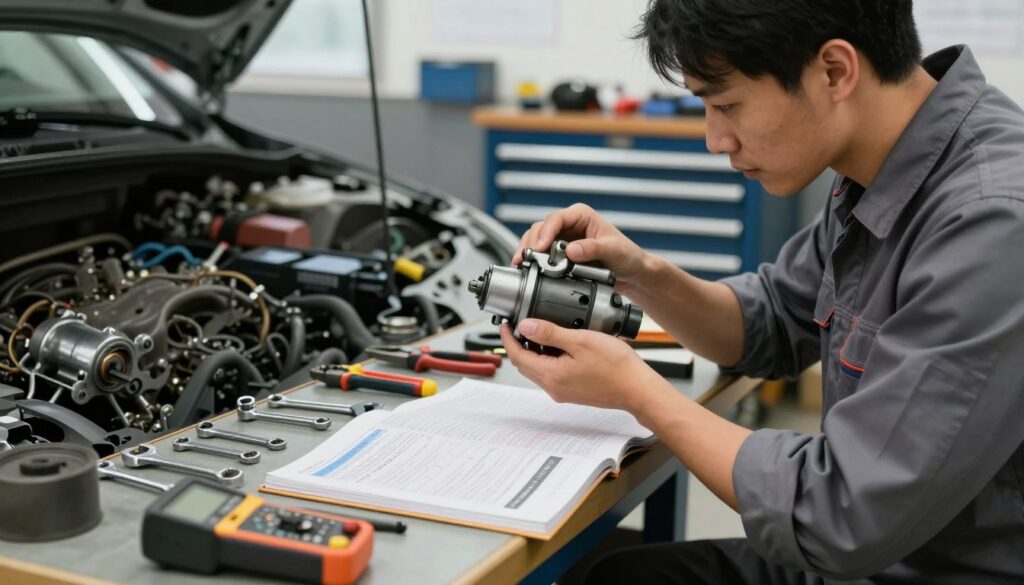
Signs of Starter Motor Failure
A single, sharp click when turning the key is a common sign of trouble. If you hear this but the engine doesn’t start, the solenoid might be stuck or the motor brushes worn out. Persistent failure to crank means the parts inside aren’t working right.
You might also hear a grinding noise before it fails. This usually means the starter gear isn’t meshing with the engine flywheel right. If you notice these signs, it’s time to check further.
Testing the Starter Motor
To figure out how to diagnose clicking starter motor problems, we do a voltage drop test. This test checks if the starter is getting enough power to work. We use a multimeter to see the voltage at the starter terminal while trying to start the car.
If the voltage drops a lot below 10 volts, the starter is likely drawing too much current because of an internal short. A good starter keeps the voltage steady while it’s working. This test helps us tell if it’s a bad connection or a dead motor.
Replacing the Starter Motor
When we find out the starter motor not working, we need to replace it. First, we disconnect the negative battery cable for safety. Then, we remove the electrical connections and the bolts holding the starter to the engine.
After taking out the old starter, we clean the area where it was to make sure it’s ready for the new one. Installing the new starter needs careful alignment of the starter gear with the flywheel. Once it’s bolted in, we reconnect the wiring and test the ignition system.
| Symptom | Likely Cause | Recommended Action |
|---|---|---|
| Single loud click | Solenoid failure | Replace starter |
| Rapid clicking | Low battery voltage | Charge or replace battery |
| Grinding noise | Damaged gear teeth | Inspect flywheel and starter |
| No sound at all | Ignition switch issue | Check ignition circuit |
Ignition System Check
When you hear a clicking noise when turning key, the ignition system is usually the culprit. It connects your action to the starter motor. Without this connection, the engine won’t start.
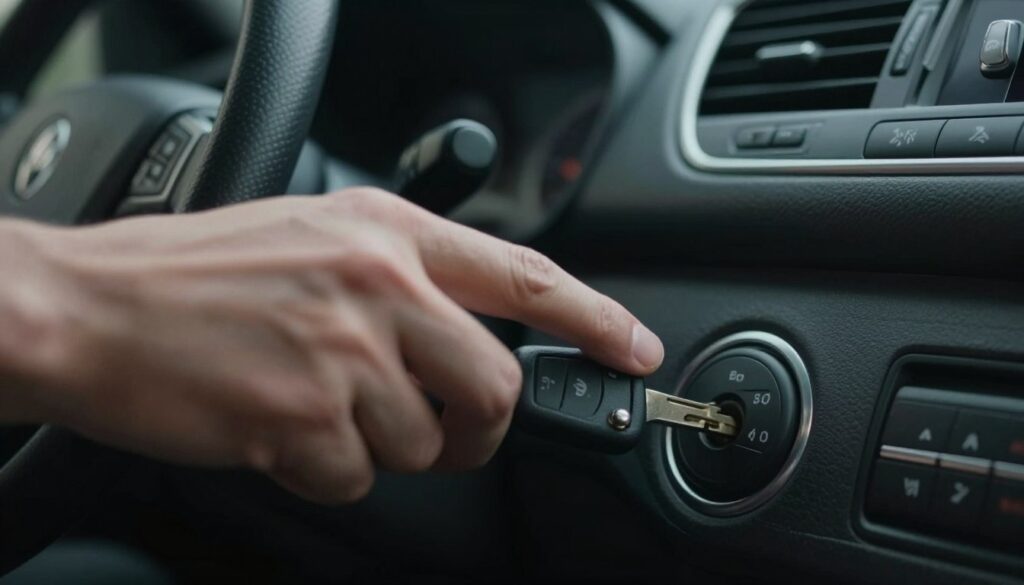
Assessing the Ignition Switch
The ignition switch sends the electrical signal to the starter solenoid. Over time, its contacts can wear out. This stops the current from getting through. Look for a loose feel or no resistance when turning the key. These signs point to a failing switch.
Spark Plug Inspection
Spark plugs are key to starting the engine. If they’re fouled or worn, starting can be tough. Check for carbon buildup or worn electrodes. This ensures they’re working right.
Ignition Coil Functions
The ignition coil boosts the battery’s voltage to create a spark. A bad coil means a weak spark. This makes starting hard. Checking these coils is important for a good start.
| Component | Primary Function | Common Failure Symptom |
|---|---|---|
| Ignition Switch | Initiates electrical signal | No response or clicking |
| Spark Plugs | Ignites fuel mixture | Engine cranks but won’t start |
| Ignition Coil | Boosts voltage for spark | Misfires or hard starting |
Wiring and Connections Inspection
When we start troubleshooting car starter issues, we look beyond the battery. The electrical system needs a continuous path of power to start the car. Often, damage to the wiring is the main problem.
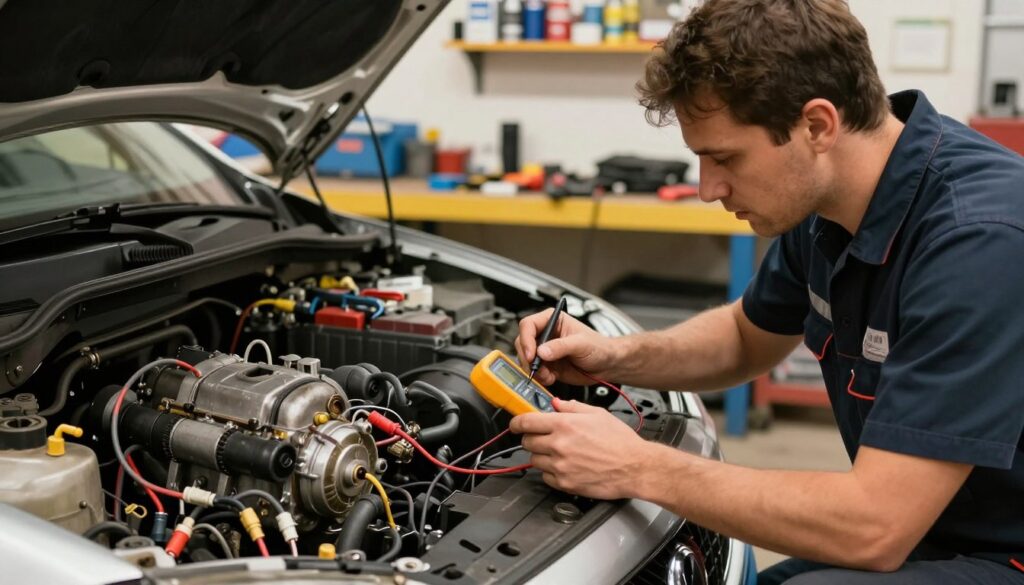
Checking Battery Cables for Damage
We first check the battery cables for wear. Over time, these cables can get frayed, cracked, or corroded. If you see a white or blue powder on the connectors, it’s a sign of a problem.
Cleaning the terminals with a wire brush helps. If the cable insulation is brittle or the wire is exposed, it’s time for new cables. This prevents future troubleshooting car starter issues.
Inspecting Ground Connections
The ground connection is just as important as the positive cable. We check if the ground strap is secure and not rusty. A bad ground connection stops the starter from working right.
Make sure the mounting bolts are tight. If the connection is dirty or painted over, sand it to clean it up. This ensures a good electrical path.
Searching for Loose Wiring
Next, we look at the smaller wires going to the starter solenoid. These wires can get damaged by vibrations or heat. We check each connector to make sure it’s tight.
If we find loose wires, we tie them down with zip ties. This keeps the starting system working well and avoids sudden stalls.
| Component | Common Fault | Visual Indicator |
|---|---|---|
| Battery Cables | Corrosion | White/Blue Powder |
| Ground Strap | Loose Bolt | Excessive Movement |
| Solenoid Wire | Heat Damage | Brittle Insulation |
| Terminal Ends | Oxidation | Darkened Metal |
Solenoid Functionality
Understanding the solenoid’s role is key when your starter motor not working. This small but powerful component acts as a high-current relay. It bridges the gap between your battery and the starter.
Understanding the Solenoid’s Role
The solenoid has two main roles in our vehicle’s ignition system. First, it acts as an electrical switch. This switch allows high amperage to flow from the battery to the starter motor. Second, it performs a mechanical task by pushing the starter gear into the engine’s flywheel.
When we turn the ignition key, a small electrical signal energizes the solenoid coil. This creates a magnetic field that pulls a plunger forward. This essential movement engages the pinion gear with the flywheel, allowing the engine to crank.
Testing the Solenoid
If we suspect the solenoid is the reason for our starter motor not working, we must perform a few diagnostic tests. We start by using a multimeter to check for voltage at the small signal terminal while someone turns the key to the start position.
If we see 12 volts at the signal terminal but the starter does not engage, the solenoid is likely failing. We can also test for continuity across the large terminals to ensure the internal contacts are closing properly. If the meter shows no connection when the solenoid is activated, the internal copper disc is likely worn or pitted.
Replacing a Faulty Solenoid
Replacing a faulty solenoid is a manageable task for most vehicle owners. We must first disconnect the negative battery cable to prevent accidental short circuits. Next, we remove the mounting bolts and the electrical connections attached to the solenoid housing.
After installing the new unit, we ensure all connections are tight and free of corrosion. This simple repair often resolves the issue of a starter motor not working, saving us the cost of a full starter assembly replacement.
| Symptom | Potential Cause | Recommended Action |
|---|---|---|
| Rapid Clicking | Low Voltage | Charge Battery |
| Single Loud Click | Solenoid Failure | Test or Replace |
| No Sound at All | Open Circuit | Check Wiring |
| Grinding Noise | Gear Misalignment | Inspect Flywheel |
Alternative Starting Methods
When standard ignition attempts fail, we often find ourselves in a stressful situation. While car starter troubleshooting is usually a task for a professional, there are a few temporary methods that might help us get our vehicle moving again in an emergency.
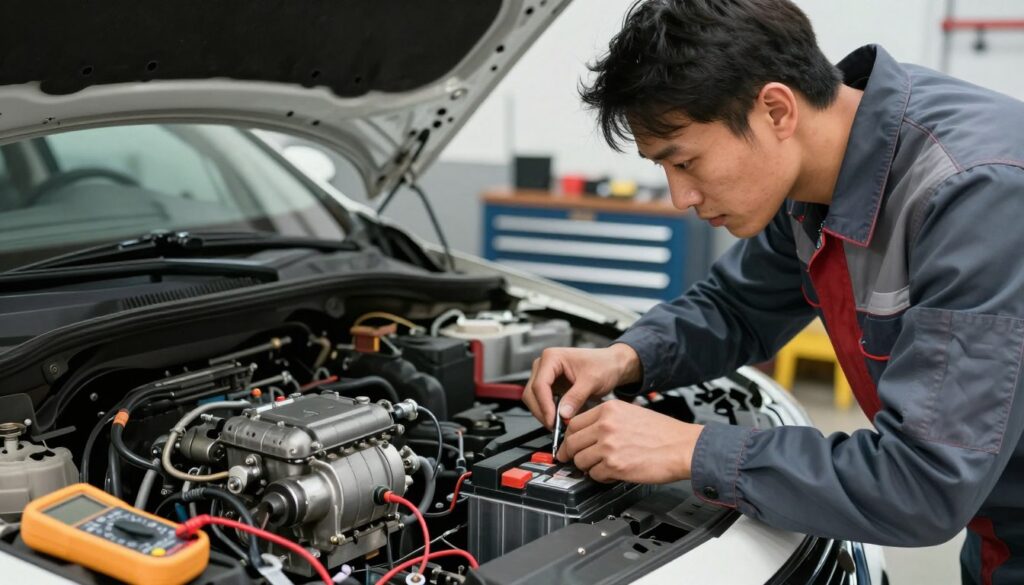
Tapping the Starter Motor
If the solenoid is stuck, a gentle physical nudge can sometimes break it free. We recommend using a long tool, like a tire iron or a sturdy wrench, to carefully tap the starter motor housing.
Safety is key during this process. Make sure the vehicle is in park or neutral with the parking brake firmly engaged before attempting this. This method is strictly a temporary measure to get you to a service center.
Push-Starting a Manual Vehicle
For those driving a manual transmission, push-starting is a classic technique that bypasses the starter motor entirely. This requires a few helpers to push the vehicle while you manage the clutch and ignition.
Once the car reaches a walking pace, shift into second gear and release the clutch quickly. The momentum of the wheels will turn the engine over, allowing it to fire up. Always ensure you have enough clear road ahead before attempting this maneuver.
Using a Jump Box
A portable jump box is an essential tool for any driver’s emergency kit. Unlike traditional jumper cables, a jump box provides a self-contained power source that eliminates the need for a second vehicle.
Simply connect the clamps to the corresponding battery terminals and activate the unit. This provides the necessary surge to overcome a weak battery or a sluggish starter. Remember that these methods are only temporary solutions; you should seek a permanent repair to address the root cause of your car starter troubleshooting issues as soon as possible.
When to Call a Professional
Knowing when to ask for help is key for car owners. While fixing your car yourself can be rewarding, some problems need a pro’s touch. If troubleshooting car starter issues gets too hard or risky, it’s time to call for help.
Indicators You Need Expert Help
Some signs show your car needs a pro. If you smell burning odors near the engine or see smoke from the starter, stop right away. Also, if you’ve swapped the battery and checked all connections but the engine won’t start, the issue might be deeper.
Dealing with complex electrical problems often needs special tools. If you keep replacing parts but nothing works, it’s likely a bigger issue. Getting help early can save you money and keep your car running longer.
Finding the Right Mechanic
Finding a good repair shop is easier with the right tips. Look for shops with ASE-certified technicians. Also, check local reviews and ask people you trust for recommendations.
Questions to Ask Your Mechanic
Before you let them work on your car, make sure you understand what’s going to happen. Asking the right questions helps avoid surprises and ensures quality work. Use the table below to guide your conversation with the service advisor.
| Question Category | Key Inquiry | Why It Matters |
|---|---|---|
| Diagnostic Process | How is the diagnostic fee applied? | Avoids unexpected costs. |
| Parts Quality | Do you use OEM or aftermarket parts? | Ensures long-term reliability. |
| Warranty | Is there a warranty on labor and parts? | Protects your investment. |
| Timeline | What is the estimated completion time? | Helps with your daily planning. |
By asking these questions, you show you’re a smart and informed car owner. A good mechanic will respect your knowledge and give clear answers. Remember, getting professional help is important for your car’s performance and safety.
Preventive Measures for Future Issues
Keeping our cars running well means we need to watch over the electrical and fuel parts. By being proactive, we can dodge sudden breakdowns.
Regular Vehicle Maintenance Tips
It’s key to check the battery’s health often to keep voltage right. Cleaning the battery terminals stops corrosion that can block power. If lights seem dim or we hear clicking, check the connections fast.
Importance of Routine Check-Ups
Regular inspections can spot small problems before they get big. Using a car starting problems Jacksonville guide helps us understand what to look for. Keeping the fuel system clean by replacing filters and pumps helps the engine run better.
Upgrading Key Components for Longevity
Choosing top-notch batteries and heavy-duty starter cables makes our cars more reliable. We should also watch the ignition switch for wear signs. These small actions help our cars last longer.
What is the most common reason for a car not starting clicking noise?
The most common cause is a dead or failing battery. It lacks the power to engage the starter motor. Often, replacing the battery solves the problem.
How can we follow a car won’t start troubleshooting checklist efficiently?
Start with simple fixes: check the battery voltage, clean terminals, and inspect fuses. This approach saves time and effort.
What should we do if our car won’t start just clicks but the lights are on?
This usually means enough power for lights but not the starter. Check for a voltage drop when turning the key.
What does a clicking noise when turning key mean for our starter?
A single loud click means the starter solenoid is working but the motor is jammed. Rapid clicking suggests a weak battery.
Can we perform car starter troubleshooting at home?
Yes, with basic tools like a wrench set and a multimeter, we can diagnose most issues. Checking connections and battery health is doable at home.
What are the signs of a starter motor not working versus a dead battery?
If a jump-start doesn’t work but lights are bright, the starter motor is likely the problem. If it starts with a jump, the battery is the issue.
Where should we start with troubleshooting car starter issues?
Always start with the battery terminals. Ensure they are tight and free of corrosion. A poor connection is a common cause of issues.
Is it safe to tap the starter motor to get it running?
Tapping the starter can be a temporary fix in emergencies. Be careful not to damage the housing. It’s not a permanent solution.

Hello! I’m Moheen Iftikhar, the founder of «CarMotivei». I’m dedicated to covering modern automotive trends, new car technologies, and useful driving insights to keep car lovers updated and motivated. Here, you’ll find detailed car reviews, expert automotive content, and helpful tips for drivers and enthusiasts alike.