



Plug-in Hybrid Vehicles with the Longest Electric Only Driving Range
Did you know nearly 80% of daily commutes in the United States are under 40 miles? This fact shows why many are choosing smarter ways to travel. I’ve made this guide to help you find the best plug-in hybrid vehicles with the longest electric only driving range.
If you value gasoline convenience and modern efficiency, you’re not alone. You want a car that lets you travel far without needing to stop for gas all the time. My aim is to guide you to the perfect car for your lifestyle.
We’ll look at the top choices, what they cost, and the future of this technology. By the end of this article, you’ll be ready to choose a car that supports your environmental goals and makes your commute smooth.
Key Takeaways
- Most daily American commutes are well within the capacity of modern battery-powered systems.
- Choosing the right model balances fuel savings with long-distance travel flexibility.
- Total cost of ownership includes tax incentives and reduced maintenance needs.
- Advanced battery technology continues to extend how far you can travel on a single charge.
- My guide simplifies the complex market to help you make an informed purchase.
What Are Plug-in Hybrid Vehicles?
Understanding plug-in hybrid vehicles is key for drivers wanting to update their commute. These cars mix a traditional engine with a big battery and electric motor. This combo gives you a flexible driving experience.
Definition and Key Features
Plug-in hybrid electric vehicles (PHEVs) use electric car technology to save fuel. You can plug them into a power source to charge the battery. This lets you do daily tasks using just electricity, cutting down on fossil fuel use.
When the battery runs out, the car switches to its gasoline engine. This setup means you don’t have to worry about running out of power on long trips. You can find out more about their environmental impact by reading about electric vs hybrid vs gas vehicles.
How They Differ from Traditional Hybrids
Many people get plug-in hybrids and traditional hybrids mixed up. But they’re quite different. Traditional hybrids use regenerative braking and the engine to charge their small batteries. They can’t be plugged in, so they can only go a short distance on electric.
On the other hand, PHEVs have bigger batteries for longer electric driving. This change in electric car technology makes them a greener option for travel. Below is a table showing the main differences between these electric vehicles.
| Feature | Traditional Hybrid | Plug-in Hybrid |
|---|---|---|
| Charging Method | Regenerative Braking Only | Plug-in & Regenerative |
| Battery Size | Small | Large |
| Electric Range | Minimal (1-2 miles) | Significant (20-50+ miles) |
| Fuel Dependency | High | Low |
Why Choose a Plug-in Hybrid Vehicle?
Plug-in hybrids are a smart choice for a greener future. They let you drive on electricity for short trips and use gas for long ones. This makes them a key part of sustainable transportation.
Environmental Benefits
These vehicles are great for the planet. They cut down on carbon emissions, making your daily commute cleaner. By choosing eco-friendly cars, you help reduce air pollution in your area.
Switching to electric for local trips is a big help. It lets you enjoy the benefits of a gas engine for longer trips. Every electric mile you drive brings us closer to a cleaner future.
Cost Efficiency and Incentives
Plug-in hybrids also save you money. Charging at home cuts down on gas costs. These eco-friendly cars are built to be efficient, giving you more bang for your buck.
Plus, there are government incentives and tax credits to help with costs. These programs make it easier for families to afford these cars. They let you enjoy modern tech while keeping your long-term costs low.
Top Plug-in Hybrid Vehicles with Long Electric Ranges
I’ve looked closely at the market to find the best plug-in hybrids. These vehicles offer a long electric range, perfect for daily trips. My goal is to help you choose wisely by comparing real-world performance to what’s promised.
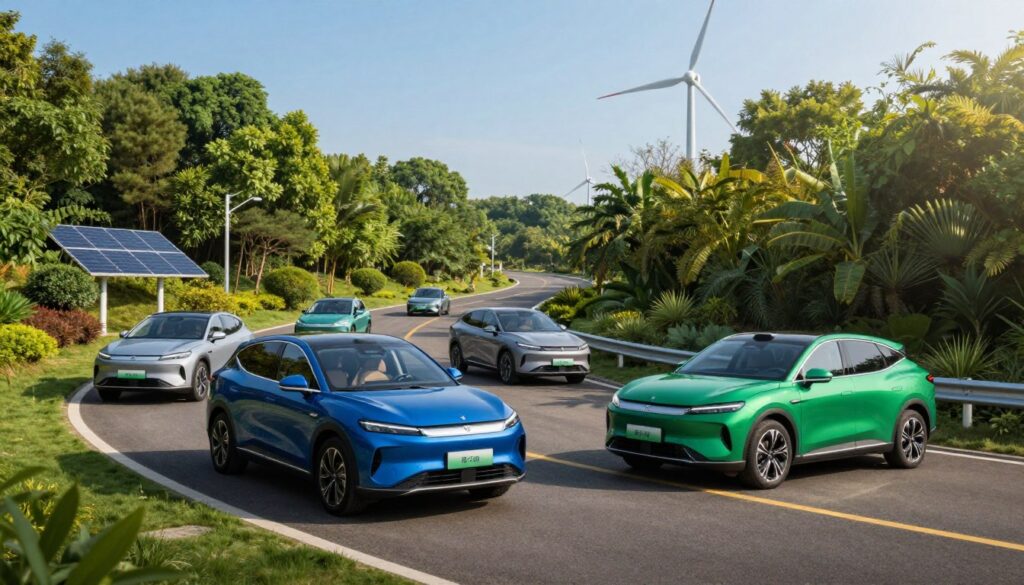
Overview of the Current Market
The car market is full of electrified options, but not all are created equal. I focus on the electric-only range to find the best EVs. These cars are great for local trips and can use gasoline for longer journeys.
When buying a car, think about its long-term value. Look into luxury cars with low maintenance costs over 5 years. This ensures your car stays affordable for years to come.
Comparison of Key Models
I’ve compared top plug-in hybrids to help you see their differences. These models have the longest electric-only ranges, perfect for daily driving.
| Vehicle Model | Electric Range (Est.) | Primary Benefit |
|---|---|---|
| Toyota RAV4 Prime | 42 Miles | High Efficiency |
| Honda Clarity PHEV | 47 Miles | Smooth Ride |
| Ford Escape PHEV | 37 Miles | Versatile Utility |
Choosing the right plug-in hybrid depends on your driving habits. If you drive 30 to 50 miles daily, these cars can save you money. Make sure to check charging options at home and work to get the most out of your car.
Notable Models: A Closer Look
Looking for a car that’s both electric and has a gas backup? Check out these three models. Each car has its own way of being electric, fitting different driving styles and lifestyles.
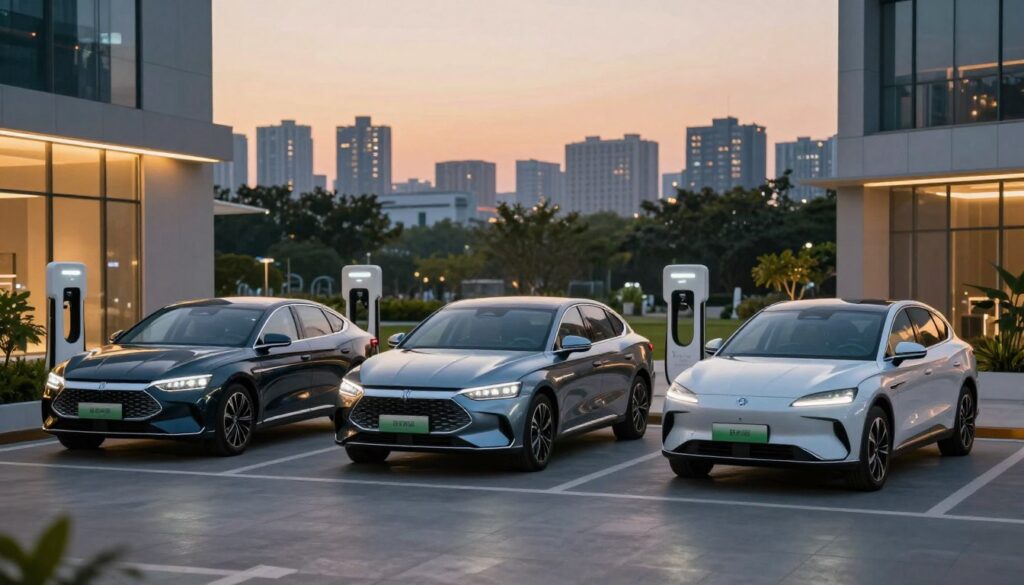
Toyota RAV4 Prime
The Toyota RAV4 Prime is a leader in the affordable segment. It’s known for its great power and long electric-only range. This makes it a top pick for many drivers.
It accelerates quickly and is very efficient. If you’re looking for safety, check the car safety ratings for modern family SUVs. Make sure it meets your safety standards.
Honda Clarity Plug-In Hybrid
The Honda Clarity Plug-In Hybrid is no longer made, but it’s a significant benchmark for used cars. It’s popular for its 48-mile electric-only range.
- Consistent range: Great for daily commutes without gas.
- Comfort-focused: Offers a smooth and quiet ride.
- Value: Has luxury features at a good price.
Ford Escape Plug-In Hybrid
The Ford Escape Plug-In Hybrid is a practical, family-friendly option. It’s perfect for daily driving. It’s easy to use and great for families.
The interior is designed for space. It’s a reliable choice for those wanting to cut down on carbon emissions. It doesn’t give up the convenience of a traditional SUV.
Performance: Electric Range vs. Gasoline
Many owners of electric vehicles find that real-world range varies from what the makers say. Your daily driving habits greatly affect how long you can go on electric power alone. By understanding how your car uses energy, you can boost your efficiency.
Understanding Electric-Only Range
Plug-in hybrids use battery power first until it’s almost gone. Then, they switch to the gasoline engine to keep moving. This mix of power ensures you won’t get stuck, even on long drives.
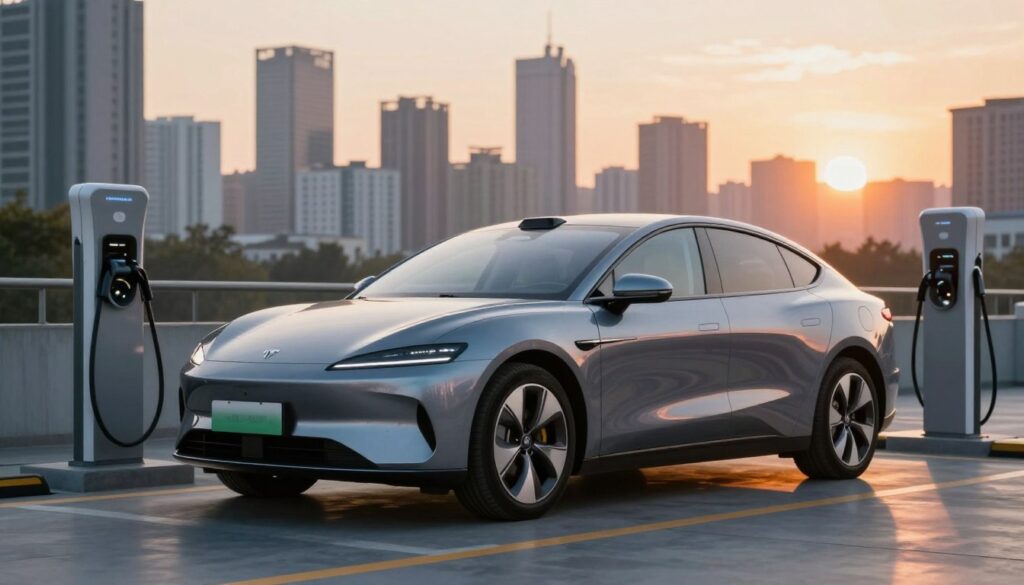
It’s smart to keep an eye on your dashboard to see your battery level. Knowing when to switch to hybrid mode is key for electric vehicles. This mode uses both power sources for better fuel use.
Effects of Driving Conditions on Range
Many things can change how far you can go on one charge. Fast driving and quick stops use up battery power quickly. But, heavy traffic can help recharge the battery a bit.
Weather also affects electric vehicles a lot. Cold weather makes batteries work harder, using more energy. By driving smart and planning your trips, you can make the most of your battery.
Charging Infrastructure for Plug-in Hybrids
Maximizing your plug-in hybrid experience starts with a daily charging routine. A consistent habit means using electric power more often. This cuts down your fuel use a lot. Knowing your charging options is key to success.

Home Charging Solutions
A reliable home charging solution is the best for keeping your car’s battery charged. Most people use a 120-volt outlet, or Level 1 charging, for overnight charging. It’s easy to use and doesn’t need any special setup.
For quicker charging, consider a 240-volt wallbox. These can charge your car up to 7 times faster than a regular outlet. Always check with a licensed electrician to make sure your home can handle it.
Public Charging Options
Public charging spots are growing fast in the US. You can find them at malls, office buildings, and parking garages. They’re a great backup when you’re not at home.
Remember, public charging isn’t as convenient as home charging. Use apps to find chargers on your way. Charging during off-peak hours can save you money too.
Maintenance and Ownership Costs
Driving energy-efficient vehicles means you need to think differently about car care. The electric motor gets used a lot, so the gas engine doesn’t wear out as fast. This leads to less frequent maintenance for some parts.

Routine Maintenance Requirements
One big change is how often you need to change the oil. Because the engine doesn’t run all the time, the oil lasts longer. But, you should also keep an eye on other hybrid-specific parts.
It’s important to check the electrical system and battery cooling often. These are key to your car’s performance. Don’t forget to check brake fluid and tire pressure, as these are important for all cars.
“The beauty of modern hybrid engineering lies in the reduced stress on mechanical parts, provided that the owner stays consistent with specialized electrical system check-ups.”
Long-term Ownership Costs
Looking at the big picture, energy-efficient vehicles can save you money over time. They might cost more upfront, but they use less fuel and need fewer repairs. Remember to budget for updates and battery checks.
Regular care is key to keeping your car in top shape. Follow the service manual to avoid big repair bills. Here’s a comparison of maintenance needs for traditional and hybrid cars.
| Maintenance Task | Traditional Vehicle | Plug-in Hybrid |
|---|---|---|
| Oil Changes | Every 5,000 miles | Every 10,000+ miles |
| Brake Wear | Standard | Reduced (Regenerative) |
| Battery System | Basic 12V only | High-Voltage Inspection |
| Engine Stress | High | Low |
Switching to energy-efficient vehicles is a wise financial choice. Keeping up with maintenance helps your car hold its value. With the right care, these cars are both reliable and cost-effective.
Government Incentives and Rebates
My experience shows that researching rebates and tax credits can lead to substantial savings on your next car purchase. The process might seem complex, but the financial reward is worth it. These incentives make advanced vehicle technology more affordable for everyone.
Federal Tax Credits Explained
The federal government offers tax credits to encourage cleaner transportation. These credits can lower your tax liability, making plug-in hybrids more affordable. It is vital to remember that these guidelines change often. Always check the latest IRS publications before buying.
To qualify, your vehicle must meet certain battery capacity and assembly location requirements. Staying informed can save you thousands of dollars. If unsure, consult a tax professional to understand how these credits apply to you.
State-Level Incentives
Many states also offer financial packages for eco-friendly driving. These include direct cash rebates and state-specific tax exemptions. Visit your state’s department of transportation website to see what’s available.
There are also non-monetary perks that can enhance your commute. Many regions offer:
- Access to High Occupancy Vehicle (HOV) lanes, even when driving solo.
- Reduced registration fees for low-emission vehicles.
- Discounts on public charging station usage.
- Free or preferred parking in certain municipal zones.
These benefits are a big reason why people choose plug-in hybrids. By combining federal and state support, you can get the most out of your investment and enjoy a more efficient drive.
Comparing Efficiency: Electric vs. Gas
When we talk about eco-friendly cars, we need to look at how they use energy. It’s important to know the difference between electric-only cars and those with gas engines. You can learn more about these differences by exploring this guide on hybrid vs. plug-in hybrid technology to see which fits your lifestyle.
How Efficiency is Measured
The EPA uses a metric called MPGe, or Miles Per Gallon equivalent, to compare energy-efficient vehicles to traditional engines. This metric shows how far a vehicle can go on the energy in one gallon of gasoline. It helps us compare electric cars to gas cars directly.
Efficiency ratings are key because they help you make a smart choice. They show how much fuel you might save over time. This way, you can compare different cars fairly when you’re shopping.
Real-World Efficiency Examples
In real life, how efficient a car is can change based on where you drive. Electric cars do great in city driving because they use regenerative braking to save energy. This makes them better than gas cars in stop-and-go traffic.
But on the highway, gas engines are better for keeping up speed. Drivers who mix city and highway driving get the best results. Using electric for short trips and gas for longer ones saves fuel and money.
Future of Plug-in Hybrid Vehicles
We are on the verge of a big change in how we travel every day. While electric cars are becoming more popular, plug-in hybrids are a key step toward full electrification. They are perfect for those who aren’t ready to go all electric yet.
The focus is now on Extended Range Electric Vehicles (EREVs). These cars use electric power most of the time but have a small gas engine for longer trips. By looking at plug-in hybrids with the longest range, we see how they help reduce range anxiety for many people.
Upcoming Models to Watch
I’m keeping an eye on several car makers that are making big strides in plug-in hybrids. The next wave of electric vehicles will have better powertrains that switch smoothly between electric and gas. This is key for keeping the push toward sustainable transportation going strong.
Car makers are also focusing on making cars with bigger batteries but without losing space inside. Soon, we’ll see more SUVs and trucks that can go longer on electric power. This will make it easier for more people to drive efficiently.
Trends in Electric Vehicle Technology
The tech in electric cars is advancing fast. One big trend is the improvement in battery energy density. This means future cars will be able to go much farther on electric power than today’s models.
Also, smart software is getting better at managing energy use in real-time. This innovative approach makes sure every bit of energy is used wisely. As these technologies get even better, they will help more people choose sustainable transportation in the U.S.
Frequently Asked Questions about Plug-in Hybrids
I often hear questions about using plug-in hybrids every day. People want to know how these energy-efficient vehicles fit into their lives. I aim to answer these questions so you can drive with confidence.
How Long Does It Take to Charge?
The time to charge your car varies based on the charger you use. Today’s electric car technology offers different charging speeds. You can charge at home or at fast stations.
- Level 1 Charging: Uses a standard 120V outlet; ideal for overnight charging.
- Level 2 Charging: Requires a 240V setup; significantly reduces wait times.
- Public Fast Charging: Available at select locations for quick power boosts.
Here’s a quick look at charging times with different methods:
| Charger Type | Voltage | Typical Time |
|---|---|---|
| Level 1 | 120V | 8-12 Hours |
| Level 2 | 240V | 2-4 Hours |
| Public DC | High | 30-60 Minutes |
What Happens When the Battery Runs Out?
Many think the car stops when the battery is empty. But, these EVs are designed to keep going. When the battery runs out, the gasoline engine kicks in, and you can keep driving.
“The transition between electric and gasoline power is engineered to be virtually imperceptible to the driver, ensuring a smooth journey regardless of battery status.”
You don’t have to worry about being stuck. As long as you have fuel, your car will keep running. This makes plug-in hybrids a great choice for daily driving.
Conclusion: The Best Choice for Eco-Friendly Driving
Choosing the right car means finding one that fits your needs and helps the planet. Plug in hybrid vehicles with long electric ranges are a smart choice. They cut down on carbon emissions and offer the best of both worlds.
The Value of Sustainable Choices
Switching to sustainable transportation can save you money in the long run. These cars are a middle ground between gas and electric, perfect for long trips and daily drives.
Taking the Next Step
Today’s EVs are getting better, with longer-lasting batteries and easier charging. I recommend checking out the latest models at your local dealership. Try out cars from Toyota, Ford, or Honda to see which one suits you best.
FAQ
What Are Plug-in Hybrid Vehicles?
Plug-in hybrid vehicles, or PHEVs, have both an electric motor and a gasoline engine. They use advanced technology to improve performance. Unlike traditional hybrids, PHEVs can be charged at home or public stations.
This means you can drive for miles without using gasoline.
How They Differ from Traditional Hybrids
Unlike standard hybrids, plug-in hybrids offer extended electric-only driving. Their larger batteries provide a dedicated electric range. This is something standard hybrids can’t match.
Why Choose a Plug-in Hybrid Vehicle?
Choosing a plug-in hybrid is a big step toward sustainable transportation. These cars are eco-friendly and offer a unique advantage. They let you drive on electricity for short trips and take long road trips without worrying about range.
By using less fossil fuel, you help the environment and save money on fuel costs.
Cost Efficiency and Incentives
Plug-in hybrids are also cost-efficient, thanks to government incentives. They often qualify for significant savings. Many drivers see a big drop in their “cost-per-mile” by using cheap overnight electricity.
Top Plug-in Hybrid Vehicles with Long Electric Ranges
I’ve identified several standout models with the longest electric ranges. The market offers many options, but only a few excel in daily driving.
Comparison of Key Models
I compare these models based on their electric range and real-world performance. For example, luxury models like the BMW X5 xDrive50e offer great range. But, more affordable models are also pushing boundaries.
This overview helps narrow down your choices before diving into specific vehicle profiles.
Notable Models: A Closer Look
The Toyota RAV4 Prime is a leader in the affordable segment, balancing power and range. It offers a 42-mile electric range, perfect for the average American commute.
The Honda Clarity Plug-In Hybrid, though no longer manufactured, has a 48-mile range. It’s a great choice for those looking for a high-efficiency sedan on the pre-owned market.
The Ford Escape Plug-In Hybrid is a practical, family-friendly option. It offers an estimated 37 miles of electric-only driving, fitting well into a typical American commuter’s routine.
Performance: Electric Range vs. Gasoline
Understanding electric-only range is key when evaluating electric vehicles. I explain how MPGe (miles per gallon equivalent) is calculated. This provides a standardized way to compare energy-efficient vehicles against traditional combustion engines.
By looking at real-world examples, I show how these vehicles perform in city and highway driving. This comparison helps you see the fuel savings over your vehicle’s life.
Future of Plug-in Hybrid Vehicles
The future of electric vehicles is exciting. I’m watching new models from Volkswagen and Hyundai that promise even more range. Plug-in hybrids will continue to serve as a bridge toward full electrification.
Advancements in electric car technology, like increased battery density, are making sustainable transportation more accessible.
Frequently Asked Questions about Plug-in Hybrids
Many people ask about charging times. Charging times depend on the latest electric car technology. On a standard 120V outlet, it may take 12 hours. A 240V Level 2 charger can charge faster, in under 3 hours.
It’s a common myth that the car stops working when the battery is empty. In reality, the gasoline engine takes over automatically. I aim to provide clear, practical answers to help you feel confident in your decision to drive an energy-efficient vehicle.
Conclusion: The Best Choice for Eco-Friendly Driving
Plug-in hybrids are a perfect blend of power and responsibility. They let you enjoy eco-friendly cars without sacrificing long-range capability. I encourage you to test drive models like the Toyota RAV4 Prime or the Volvo XC60 Recharge to see how they fit your driving style.
Choosing a plug-in hybrid is a smart investment in your financial future and the planet’s health.
Which plug in hybrid vehicles with the longest electric only driving range are currently available?
Currently, the Toyota RAV4 Prime leads with 42 miles. Luxury options like the Range Rover PHEV and BMW X5 xDrive50e offer around 40 to 50 miles. The Volvo S60 Recharge also provides 41 miles of electric-only driving.
Are plug-in hybrids considered true electric vehicles (EVs)?
While they’re often grouped with electric vehicles, plug-in hybrids are technically a hybrid of electric and internal combustion power. They offer a “best of both worlds” approach to sustainable transportation.
Do eco-friendly cars like PHEVs require special tires?
Many manufacturers equip energy-efficient vehicles with low-rolling-resistance tires. These are designed to maximize range and efficiency. You can use standard tires if necessary.
How does the federal tax credit work for these electric vehicles?
The IRS provides tax credits based on battery capacity and vehicle assembly locations. For many plug-in hybrid vehicles, you may be eligible for a credit ranging from ,750 to ,500, depending on current legislation and the vehicle’s MSRP.
Can I drive at highway speeds using only electric power?
Yes, most modern eco-friendly cars with plug-in capability can reach speeds of 70-85 mph in electric-only mode. Driving at high speeds will deplete the battery faster than city driving.
What is the benefit of energy-efficient vehicles over traditional gasoline cars in traffic?
In heavy traffic, PHEVs are incredibly efficient. The electric motor handles low-speed crawling without idling a gasoline engine. This significantly reduces local emissions and fuel consumption.

Hello! I’m Moheen Iftikhar, the founder of «CarMotivei». I’m dedicated to covering modern automotive trends, new car technologies, and useful driving insights to keep car lovers updated and motivated. Here, you’ll find detailed car reviews, expert automotive content, and helpful tips for drivers and enthusiasts alike.


