


Hybrid vs Electric Comparison for Long Distance Daily Highway Commuters
Driving in today’s America needs a car that’s both efficient and long-lasting. For those of us who drive on the highway every day, choosing between different car types can be tough. We know your time driving is precious, and picking the right car can make a big difference.
Deciding wisely means looking at both money savings and the real needs of your drive. You might prefer the power of a battery or the flexibility of a gas engine. Exploring plug-in hybrid vehicles with the longest electric-only driving could help you find the best mix. Our aim is to make this choice easier for you so you can drive with confidence.
Key Takeaways
- Think about your exact round-trip distance to decide between battery-only or dual-power cars.
- Look at how easy it is to charge at home or work to fit into your daily life.
- Check the long-term cost savings and any tax breaks that might help your wallet.
- Remember, driving on highways is different from city driving in terms of efficiency.
- Choose a car that’s reliable to keep you calm on long trips.
Understanding Hybrid and Electric Vehicles
Choosing the right vehicle for your daily commute starts with understanding the core differences between hybrid and electric technology. The market shows a clear divide in power generation and energy management. Gaining clarity on these systems helps us determine which powertrain best suits our specific driving habits.
What is a Hybrid Vehicle?
A hybrid vehicle combines a traditional internal combustion engine with an electric motor and a battery pack. It captures energy during braking, known as regenerative braking, to recharge the battery automatically. Many drivers appreciate the hybrid vehicle benefits, such as improved fuel economy without the need to plug into an external power source.
Plug-in hybrid electric vehicles (PHEVs) allow you to charge the battery via a wall outlet. This gives you a short range of pure electric driving before the gasoline engine takes over. It is a versatile solution for those who want to reduce their carbon footprint while maintaining the convenience of a gas tank.
What is an Electric Vehicle?
An electric vehicle, or battery electric vehicle (BEV), relies entirely on electricity stored in a large battery pack. These cars eliminate the internal combustion engine, transmission, and exhaust system entirely. We often highlight the electric car advantages, such as instant torque and significantly lower maintenance requirements compared to gas-powered cars.
“The transition to electric mobility is not just about changing the fuel source; it is about rethinking the entire driving experience for a cleaner future.”
Key Differences Between Hybrid and Electric
Understanding the mechanical distinctions is vital for any long-distance commuter. While hybrids offer a safety net of gasoline, electric vehicles provide a pure, emission-free experience that requires a shift in how we plan our trips. The following table outlines the primary differences between these two technologies.
| Feature | Standard Hybrid | Plug-in Hybrid | Electric Vehicle |
|---|---|---|---|
| Primary Fuel | Gasoline | Gasoline & Electricity | Electricity |
| Charging Required | No | Yes (Optional) | Yes (Mandatory) |
| Tailpipe Emissions | Reduced | Low/Zero | Zero |
| Maintenance Needs | Moderate | Moderate | Low |
Ultimately, both options provide unique paths toward efficiency. Whether you prioritize the flexibility of a hybrid or the pure electric car advantages, your choice will depend on your access to charging and your daily mileage. We encourage you to weigh these hybrid vehicle benefits against your personal driving needs to find the perfect match.
Fuel Efficiency: Hybrid vs Electric
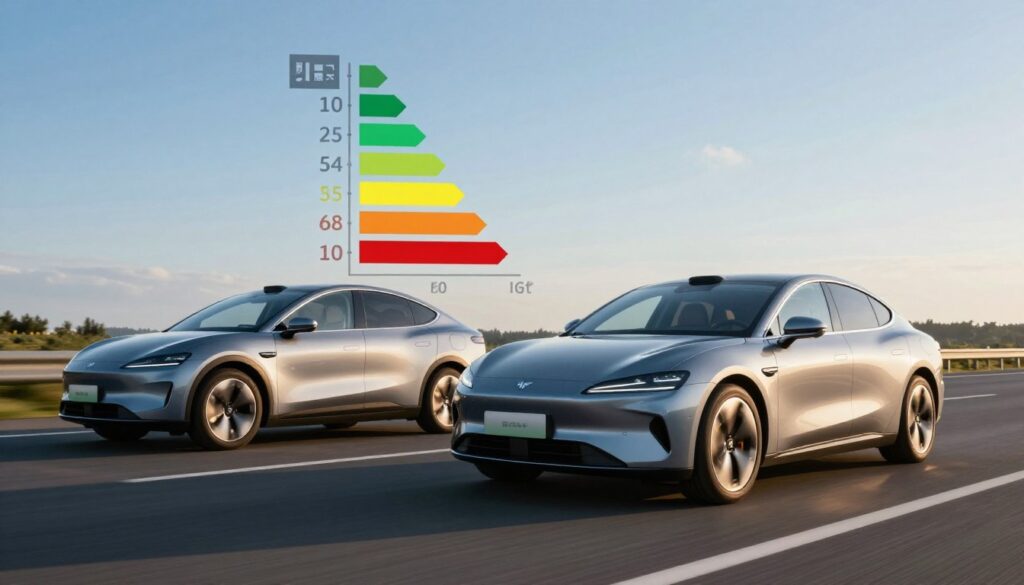
When we talk about long-distance travel, it’s key to understand the fuel efficiency comparison between different cars. We need to look beyond the initial cost. This is because how these cars use energy matters a lot, whether you choose a gas-electric hybrid or a pure electric car.
How Hybrids Optimize Fuel Consumption
Hybrids are great because they mix a traditional engine with an electric motor. This dynamic partnership lets the car switch between power sources based on how you drive. On the highway, the gas engine usually takes over, but the electric motor helps during quick starts to save fuel.
Many people like how hybrids smoothly switch between power modes. They use regenerative braking to capture energy, making sure no power is wasted. If you’re looking for a balance between old-school refueling and new tech, check out fuel-efficient cars under 25000 with high highway MPG to see how they do in real life.
The Efficiency of Electric Vehicles
Electric cars (EVs) are way more efficient than gas cars. They don’t lose energy through heat or exhaust because they don’t have a combustion engine. This direct energy usage makes them top-notch for cutting down on carbon emissions and saving money.
On the highway, EVs perform well without needing to shift gears. They also handle quick merges smoothly because of their instant torque. Even though range is a concern, EVs are better at saving energy overall.
Real-World MPG and Range Comparisons
We’ve gathered data to help you decide. It shows how these cars do on the highway. The table below highlights the differences in energy use and range.
| Vehicle Type | Energy Source | Highway Efficiency | Typical Range |
|---|---|---|---|
| Standard Hybrid | Gas + Electric | High (50+ MPG) | 600+ Miles |
| Plug-in Hybrid | Electric + Gas | Very High (MPGe) | 500+ Miles |
| Electric Vehicle | Battery Only | Excellent (100+ MPGe) | 250-400 Miles |
Your choice depends on your commute and charging options. A good fuel efficiency comparison shows hybrids have great range, but electric cars are better for daily driving.
Cost Considerations for Commuters
Looking at the total cost of owning a car, hybrids and electric vehicles show big differences. Commuters need to think about the initial cost and the ongoing expenses of daily travel. A detailed fuel efficiency comparison helps figure out which car is best for your budget.
Upfront Costs of Hybrid vs Electric
Electric cars usually cost more upfront because of the big battery packs. But, as battery tech gets better and production grows, the price difference is getting smaller.
Hybrids are often cheaper at first. Choosing the right vehicle means weighing the upfront savings against the long-term benefits of being more efficient.

Long-Term Savings: Maintenance and Operation
The real value of a car comes over time. Electric cars need less maintenance because they have fewer parts than gas cars.
They cost less for oil changes, transmission fixes, and exhaust system care. A fuel efficiency comparison shows electric cars are cheaper to run than gas cars for the same distance.
For those who drive a lot, these savings add up fast. Lower operational costs can make up for the higher initial price in a few years.
Incentives and Tax Credits for EVs
Government programs help make electric cars more affordable. We suggest checking out the latest zero emission vehicles tax incentives and rebates to save money.
These benefits can greatly reduce your total cost. It’s important to act fast, as some programs have deadlines or limited funds. Taking advantage of these credits is a smart move to save money and support green transport.
Driving Range and Refueling Infrastructure
When looking at long distance commuter vehicles, it’s key to balance range and refueling ease. The choice between hybrid and electric often depends on how much time you spend at a pump or charging station.
Range of Hybrid Vehicles
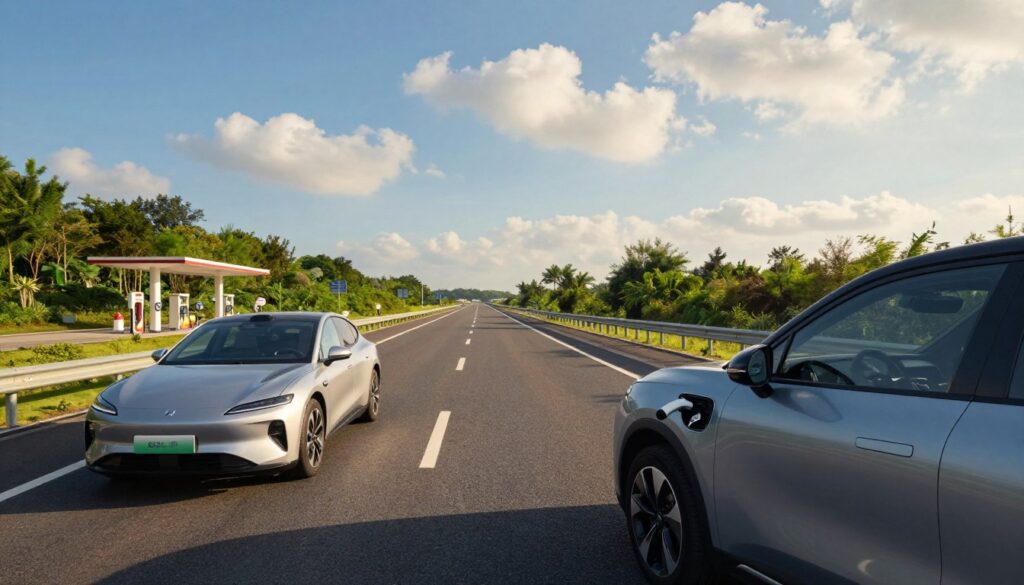
Hybrid cars are great for those who need flexibility. They mix an engine with an electric motor. This gives them a range over 500 miles on one tank.
This makes them reliable for drivers who travel a lot. If you’re thinking about long-term use, check the hybrid battery replacement cost for Toyota and Honda. It helps you plan for future maintenance.
Range of Electric Vehicles
Electric cars have improved a lot, with ranges from 250 to 400 miles. For a daily highway drive comparison, this range usually covers a full day without needing a mid-day charge.
But, range changes with speed, weather, and terrain. It’s smart to think about these factors to make sure your car meets your needs.
Availability of Charging Stations
Electric driving’s convenience depends on charging station access. Public fast-charging is growing, but home charging is more efficient.
- Level 1 Charging: Best for overnight top-ups at home.
- Level 2 Charging: Recommended for faster, daily replenishment.
- DC Fast Charging: Essential for long-distance travel and quick highway stops.
For those without easy access to fast charging, plug-in hybrids are a good backup. They use electric for short trips and gasoline for longer ones. This way, you’re never stuck without power, no matter the charging station density.
| Feature | Hybrid | Electric |
|---|---|---|
| Refueling Time | Minutes (Gas) | Hours (Charging) |
| Infrastructure | Ubiquitous | Growing |
| Best Use Case | Long-distance travel | Daily commuting |
Performance on Highways
When you’re on the highway, how your car handles speed and power matters a lot. It’s key to compare hybrid vs electric performance for those who drive a lot. Knowing how these cars perform at high speeds helps you pick one that’s both strong and comfortable.
Acceleration and Power Delivery of Hybrids
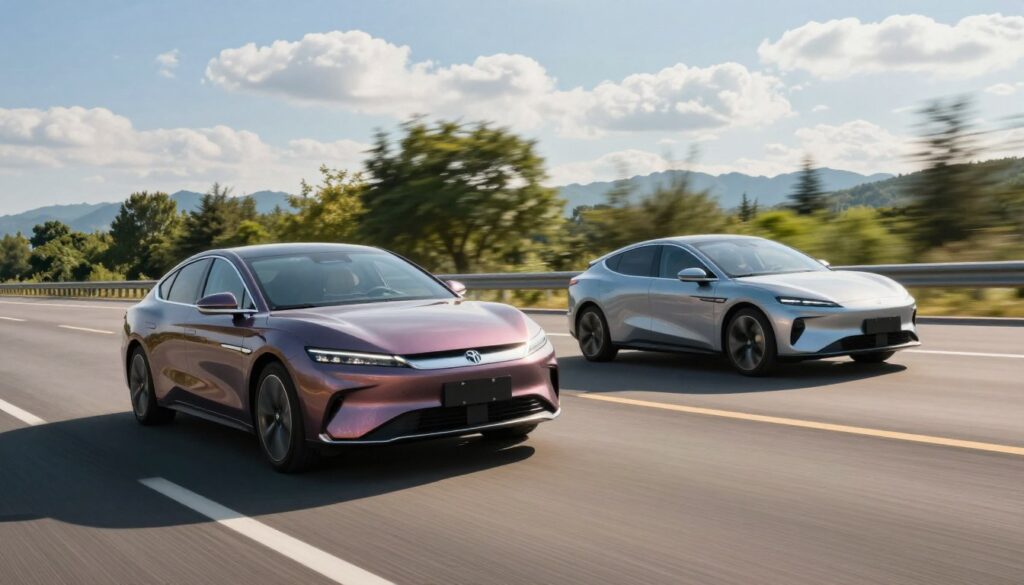
Hybrids use both an engine and an electric motor. This mix gives a smooth power that most drivers like. When you need to pass someone, the electric motor gives a quick boost to the engine.
This setup means you don’t worry about running out of power on long trips. You can find out more about hybrids for long drives by checking here. The switch between power sources is smooth, making long drives nice.
Electric Vehicles’ Torque Advantage
Electric cars have a big advantage in torque. Their motors give maximum torque from a stand, making acceleration quick and strong. This makes it easy and safe to merge into fast traffic.
There’s no wait for the transmission to shift. This instant response is a key part of electric driving. It makes you feel confident when you need to move fast on the highway.
Which Vehicle Handles Better on the Highway?
How a car handles on the highway depends on its weight and balance. Electric cars have their heavy batteries in the floor, which makes them stable and less likely to roll. This is good for staying steady at high speeds.
Hybrids are also stable, but they might feel a bit heavier in the front because of the engine. The best choice for you depends on how you drive and your route. Here’s a table to help you see the main differences.
| Feature | Hybrid Performance | Electric Performance |
|---|---|---|
| Acceleration | Linear and smooth | Instant and punchy |
| Passing Power | Good (Engine + Motor) | Excellent (Instant Torque) |
| Highway Stability | Stable and balanced | Superior (Low Center of Gravity) |
| Noise Levels | Moderate at high speed | Very quiet |
Environmental Impact: Driving Green
Modern commuters are focusing more on being green on the road. They want to reduce their carbon footprint. Looking at our travel choices, we see how they affect the environment.
To make highway commuting more sustainable, we need to understand engine technology’s impact. This is key for long-term planning.
Emissions from Hybrid Vehicles
Hybrid cars use both an engine and an electric motor. They are more efficient than gas cars but do emit tailpipe pollutants on the highway. Burning fossil fuels is needed when the battery runs out or for high speeds.
Yet, hybrids cut down on pollutants over long trips. They use regenerative braking and smart engine use to reduce carbon emissions. This makes them a good choice for those not ready for electric cars.
Zero Emissions with Electric Vehicles
Electric cars are best for clean air because they don’t emit anything from their tailpipes. They don’t burn fuel, so no harmful gases are released during your drive. This is a big win for cities and suburbs.
Driving electric on the highway helps reduce pollution. This is key for better health and meeting climate goals. For many, not having a tailpipe is the main reason to choose electric.
The Overall Environmental Benefits
Looking at a car’s whole life cycle is important. Electric cars have a higher upfront carbon cost due to batteries. But, they quickly make up for it by not emitting anything.
It’s also important to think about where the electricity comes from. As the grid gets cleaner, electric cars get greener. By choosing sustainable travel, we help the planet for the future.
Comfort and Technology Features
Choosing between a hybrid and an electric vehicle often comes down to the specific cabin features. These features make your daily commute more enjoyable. Modern manufacturers now prioritize intuitive interfaces to ensure that staying connected is both safe and seamless.
Infotainment and Connectivity in Hybrids
Hybrid vehicles have made significant strides in integrating smartphone connectivity, such as Apple CarPlay and Android Auto, as standard features. These systems allow drivers to access navigation, music, and messaging without taking their eyes off the road. We find that the familiarity of these interfaces helps reduce stress during heavy traffic.
Many hybrid models also offer advanced driver-assistance systems that provide real-time traffic updates. If you are curious about how these features align with your specific driving habits, you can explore more details on which vehicle type best matches your driving to make an informed decision.

Technology Trends in Electric Vehicles
When we look at the latest models, one of the primary electric car advantages is the integration of over-the-air software updates. These updates ensure that your vehicle’s infotainment system remains current long after you drive it off the lot. The cabin experience is defined by minimalist designs that emphasize digital control panels over traditional buttons.
Another notable benefit is the near-silent operation of the drivetrain. Because there is no internal combustion engine, the cabin remains remarkably quiet. This enhances the effectiveness of premium audio systems. These electric car advantages create a serene atmosphere that transforms a hectic commute into a relaxing experience.
Space and Comfort Comparisons
The absence of a bulky transmission tunnel in many electric vehicles allows for a more open and spacious interior layout. This design choice often provides extra legroom and clever storage solutions. We appreciate how this extra space contributes to a feeling of openness during long highway stretches.
While hybrids often retain a more traditional cabin feel, they remain highly competitive in terms of ergonomic seating and climate control. Ultimately, the choice depends on whether you prefer the familiar layout of a hybrid or the innovative, airy design found in modern electric vehicles. Both options offer high levels of comfort designed to support the needs of the modern commuter.
Maintenance and Reliability
When looking at long distance commuter vehicles, repair costs and frequency are key. Knowing your car’s mechanical needs helps plan your budget. It also ensures your car is always ready to hit the road.
Looking at hybrid vs electric performance shows big differences in maintenance. Both offer modern perks, but their designs affect how often you’ll need repairs.

Common Maintenance Needs for Hybrids
Hybrids mix a gas engine with an electric motor. They need regular oil changes, air filter swaps, and spark plug checks like any gas car.
With more parts, hybrids need more upkeep. Regular maintenance keeps the engine and transmission in top shape for many miles.
Reliability of Electric Vehicles
Electric vehicles (EVs) have fewer parts than hybrids. They don’t need oil changes, timing belts, or exhaust systems. This means they need less maintenance.
EVs also use regenerative braking, which helps brake pads and rotors last longer. This comparison of hybrid vs electric performance shows why many prefer EVs for less upkeep.
Long-Term Durability: A Comparison
For long distance commuter vehicles, battery health is key. Both hybrids and EVs have advanced batteries designed to last. But, batteries do degrade over time.
Here’s a table to see how hybrids and EVs compare in maintenance.
| Maintenance Item | Hybrid Vehicle | Electric Vehicle |
|---|---|---|
| Oil Changes | Required Regularly | Not Required |
| Brake Wear | Moderate | Low (Regenerative) |
| Moving Parts | High Complexity | Low Complexity |
| Transmission | Complex | Simplified |
Making the Right Choice for Your Commute
Choosing the right car means weighing your daily drive against charging options. Check out our hybrid vs electric comparison for long distance daily highway. This will help you pick the best powertrain for your commute. Think about how much you drive and where you can charge up.
Evaluating Your Daily Distance
Drivers who travel over 100 miles daily might find electric cars the cheapest option. If your trips are shorter, you’ll save on fuel and upkeep. But, if your schedule is unpredictable or charging at home is hard, a plug-in hybrid could be better.
Prioritizing Your Driving Experience
Your comfort is as important as saving on gas. Try out cars like the 2025 Toyota Prius or Tesla Model 3. See which one feels right for your morning commute. A quiet ride and smooth start are key for long drives.
Commitment to Future Mobility
Choosing a car that’s good for the planet and your wallet is smart. Today’s tech makes electric cars easy for most drivers. We hope this guide helps you pick a car that meets your needs for years.
Which vehicle offers the best hybrid vs electric comparison for long distance daily highway commuters?
EVs are best for those with home charging. Hybrids offer more flexibility for those without.
What are the primary hybrid vehicle benefits for a highway driver?
Hybrids offer great range, quick refueling, and high efficiency. They don’t need special charging.
What are the most significant electric car advantages for daily travelers?
EVs have instant torque, a quiet cabin, and lower maintenance. They’re easy to “refuel” at home.
How does a fuel efficiency comparison look between a hybrid and an EV?
Hybrids get 50-55 MPG, while EVs get over 120 MPGe. EVs are cheaper per mile, even with high gas prices.
Is highway commuting sustainability better with a hybrid or an electric car?
EVs are better for the environment, producing no tailpipe emissions. Hybrids rely on fossil fuels.
In terms of hybrid vs electric performance, which is better for merging on the freeway?
EVs are better for merging, thanks to their instant power. They accelerate faster and smoother than hybrids.
What should I look for in a daily highway drive comparison between these two?
Look at cabin noise, comfort, and tech features. EVs often have better driver-assistance systems.
Why are EVs often considered the best long distance commuter vehicles?
EVs save money on fuel and maintenance. They offer a high-tech, comfortable driving experience.

Hello! I’m Moheen Iftikhar, the founder of «CarMotivei». I’m dedicated to covering modern automotive trends, new car technologies, and useful driving insights to keep car lovers updated and motivated. Here, you’ll find detailed car reviews, expert automotive content, and helpful tips for drivers and enthusiasts alike.