


Hydrogen Fuel Cell Cars Pros and Cons Compared to Battery Electric Vehicles
The American car market is changing fast, moving toward cleaner cars. We’re choosing between two main clean energy options. Knowing the Hydrogen fuel cell cars pros and cons compared to battery electric vehicles is key for today’s drivers.
We look at the tech, cost, and environmental impact of both systems. Our aim is to help you make a smart choice in this changing market.
Whether you want quick refueling or easy home charging, this guide shows the trade-offs. We check how each system does in real life across the U.S.
Key Takeaways
- Battery systems are the current leaders, thanks to wide charging networks.
- Refueling times for hydrogen cars are much quicker than charging electric cars.
- The environmental effect depends on the energy source used for making the cars.
- Costs include the initial price and upkeep over time.
- Choosing depends on your driving habits and local access to resources.
Introduction to Hydrogen Fuel Cell Cars
The car world is changing fast, with hydrogen power at the forefront of latest green automotive trends. These vehicles aim for a cleaner future. They offer a unique way to travel without pollution, unlike battery cars.
What Are Hydrogen Fuel Cell Cars?
Hydrogen fuel cell cars use special reactions to make electricity. They don’t burn fossil fuels like regular cars. Instead, they use a fuel cell to turn chemical energy into power for the motor.
This method is very clean. The only thing that comes out of the tailpipe is pure water vapor. This makes them a big step towards a greener future.
How Do They Work?
Hydrogen fuel cell cars work by mixing hydrogen gas with oxygen. The hydrogen is stored in strong tanks and goes into the fuel cell stack.
In the stack, hydrogen loses its electrons. These electrons make electricity, which powers the car. At the same time, hydrogen and oxygen make water.
Current Market Overview
Even though the market is growing, big names like Toyota and Hyundai are leading. They’ve made cars that use hydrogen available to the public. This shows hydrogen can be a good fuel for everyday driving.
People compare these cars to other green options, like plug-in hybrids with long electric ranges. As we watch solar powered cars current technology status and upcoming release dates, hydrogen is key for heavy-duty and long-distance travel.
| Feature | Hydrogen Fuel Cell | Battery Electric |
|---|---|---|
| Primary Fuel | Compressed Hydrogen | Stored Electricity |
| Refueling Time | 3 to 5 Minutes | 30 Minutes to Hours |
| Byproduct | Water Vapor | None |
| Energy Source | On-board Generation | External Charging |
Understanding Battery Electric Vehicles
Learning about battery electric vehicles is key for those thinking of switching to cleaner energy. These renewable energy vehicles have become popular, with millions of Americans choosing them for daily drives. They use electricity instead of fossil fuels, making our commutes cleaner.
Basics of Battery Electric Vehicles
These cars have big, powerful lithium-ion batteries to hold energy. Unlike gas cars, they charge from the grid. Owners can fill them up at home or public stations overnight.
Some fans dream of solar cars advancements to power them. But, most charge from the grid. This ease is why more people are choosing them. Knowing about hybrid battery replacement costs helps understand battery tech’s future.
How Battery Electric Vehicles Function
The magic is in their electric motors. They give instant torque when you press the pedal. This makes driving feel very different from gas cars. Plus, they need less maintenance because they have fewer parts.
“The transition to electric mobility is not just about changing the fuel source; it is about reimagining the entire driving experience for a more efficient future.”
Popular Models in the Market
The American market has many choices, from small cars to big SUVs. People can pick what fits their lifestyle and enjoy new tech. Here’s a table showing key features of popular models.
| Vehicle Category | Primary Benefit | Typical Range |
|---|---|---|
| Compact Sedan | Efficiency | 250+ Miles |
| Luxury SUV | Performance | 300+ Miles |
| Electric Truck | Utility | 320+ Miles |
Environmental Impact of Hydrogen Fuel Cell Cars
Looking at the real environmental effect of hydrogen cars, we see more than just the tailpipe. These cars get a lot of attention in electric vehicle technology news. But their true greenness depends on many factors in their supply chain.
Emissions and Sustainability
Hydrogen cars are great because they don’t pollute. They only release water vapor, which is good for cities. This makes them a top choice for those wanting to cut down on carbon emissions.
But, we need to look at the whole life of the car. The good part is driving it clean. Yet, how we make and move the hydrogen matters a lot. The goal of being fully green is something the industry is striving for.
Production of Hydrogen Fuel
Making hydrogen takes a lot of energy, which can lessen its green benefits. Most hydrogen is made from natural gas, which isn’t very green. We judge its impact based on how it’s made:
- Grey Hydrogen: Made from natural gas, the least green way.
- Blue Hydrogen: Also from natural gas but with carbon capture to reduce emissions.
- Green Hydrogen: Made from renewable energy, the most sustainable choice.
Infrastructure for Hydrogen Refueling
There’s a big problem with hydrogen cars: finding places to refuel. Unlike regular cars, hydrogen needs special stations. These are hard to find, making it tough for people to switch, even with new electric vehicle news and deals.
We need more refueling stations for hydrogen cars to be a real option. Without them, hydrogen’s green promise won’t be fully realized. Investing in these stations is key for a cleaner future.
Environmental Impact of Battery Electric Vehicles
Understanding the full lifecycle of electric vehicles is key for those interested in sustainable transportation updates. These vehicles cut down on tailpipe emissions. But, we must look at the environmental costs of making them and their energy use for a full picture.
Carbon Footprint of EV Manufacturing
Making electric vehicles takes more resources than traditional cars. It involves getting raw materials like lithium, cobalt, and nickel. This can harm habitats and use a lot of water.
These mining activities have a big environmental impact. But, as tech gets better, makers are working to lessen this impact. This helps the upcoming electric car models have a smaller footprint.
Battery Disposal and Recycling
Dealing with old batteries is a big challenge. If not done right, they can harm soil and water. This is because of their chemical makeup.
But, the industry is moving toward a circular economy. Now, we can recycle these batteries to get valuable metals back. This cuts down on the need for new raw materials.
Source of Electricity
The real sustainability of electric vehicles depends on the electricity source. If the grid uses coal or gas, the benefits are less. But, if it’s powered by wind, solar, or hydroelectric energy, it’s better.
For the most eco-friendly choice, picking small commuter cars with the lowest carbon footprint is smart. As our power grids switch to renewables, electric vehicles will get even greener.
Performance Comparison: Hydrogen vs. Battery Electric
Looking at modern transportation, we see how powertrains shape our daily lives. As we move toward the future of solar vehicles and other green tech, it’s key to compare hydrogen fuel cells and battery electric vehicles (BEVs). This is important for anyone thinking about buying a new car.
Acceleration and Speed
Battery electric vehicles are known for their instant torque. This means they can quickly start moving from a stop. They feel very responsive in city traffic and when merging onto highways.
Hydrogen fuel cell cars, on the other hand, focus on a smooth power delivery. They might not accelerate as fast as some EVs, but they offer a consistent and refined drive. Many people find this appealing for their daily commute.
Range and Refueling Time
The biggest difference between these two is how we refill them. Hydrogen fuel cell cars can be refueled quickly, in just 5 to 10 minutes.
On the other hand, battery electric vehicles need 4 to 8 hours to fully charge at home. While fast-charging stations are getting better, the time it takes to charge a BEV is a big factor for long trips.
Driving Experience
The driving experience depends on what you value most. If you want convenience and can travel long distances without waiting for a charge, hydrogen might be the better choice.
But if you can charge at home, the quiet and efficient nature of an electric vehicle is unbeatable. Both options are big steps forward. The future of solar vehicles will likely make these even better.
Cost Analysis: Hydrogen Fuel Cells vs. Battery Electric
When we talk about moving to sustainable driving, money matters a lot. We need to look at the costs of hydrogen fuel cells and battery electric cars. This helps us understand the total cost of owning a car. The future of solar vehicles and new tech might change things, but for now, we have to think about today’s costs and tomorrow’s savings.
Initial Purchase Price Comparison
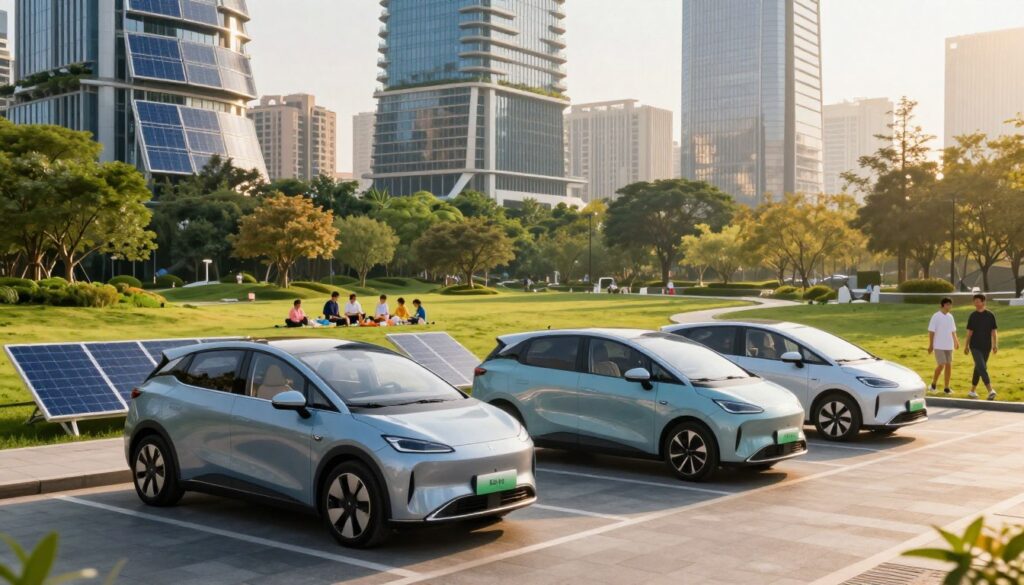
Hydrogen fuel cell cars cost more upfront than many battery electric cars. This is because making fuel cells and storing hydrogen is complex. For example, the Hyundai Nexo costs over $60,000, and the Toyota Mirai is about $50,000.
On the other hand, battery electric cars have more affordable options. Looking at studies on car efficiency can help decide if the extra cost of hydrogen cars is worth it.
Long-term Maintenance Costs
Keeping cars running is different for hydrogen and battery electric cars. Electric cars have fewer parts, which means less maintenance over time. Hydrogen cars, with their complex systems, need more specialized care.
“The simplicity of the electric drivetrain provides a distinct advantage in reducing long-term service intervals and associated repair costs for the average owner.”
Even though hydrogen cars need less refueling, their maintenance can be pricier. Owners should think about these costs when planning for the long run.
Incentives and Rebates for Consumers
Government help is key in making these cars more affordable. Tax credits, rebates, and special driving lanes are available. These programs help lower the cost of buying a new car.
- Federal Tax Credits: Help reduce the cost of many electric models.
- State-Level Rebates: Cash incentives for buying zero-emission cars are available in some areas.
- Utility Programs: Discounts for installing home charging equipment.
As we move toward more solar vehicles and clean energy, these incentives will change. We suggest checking out current programs to see how they can help with the cost of hydrogen and electric cars.
| Factor | Hydrogen FCEV | Battery Electric (BEV) |
|---|---|---|
| Initial Price | Higher | Variable/Lower |
| Maintenance | Complex | Minimal |
| Incentives | Available | Available |
Availability and Infrastructure for Hydrogen Fuel Cell Cars
The shift to cleaner energy needs strong support systems. Our latest sustainable transportation updates show how key refueling networks are. Hydrogen tech is promising for long trips and heavy loads, but a lack of places to refuel is a big problem for daily use. We need to understand how these gaps affect hydrogen cars in today’s market.
Current Hydrogen Stations in the U.S.
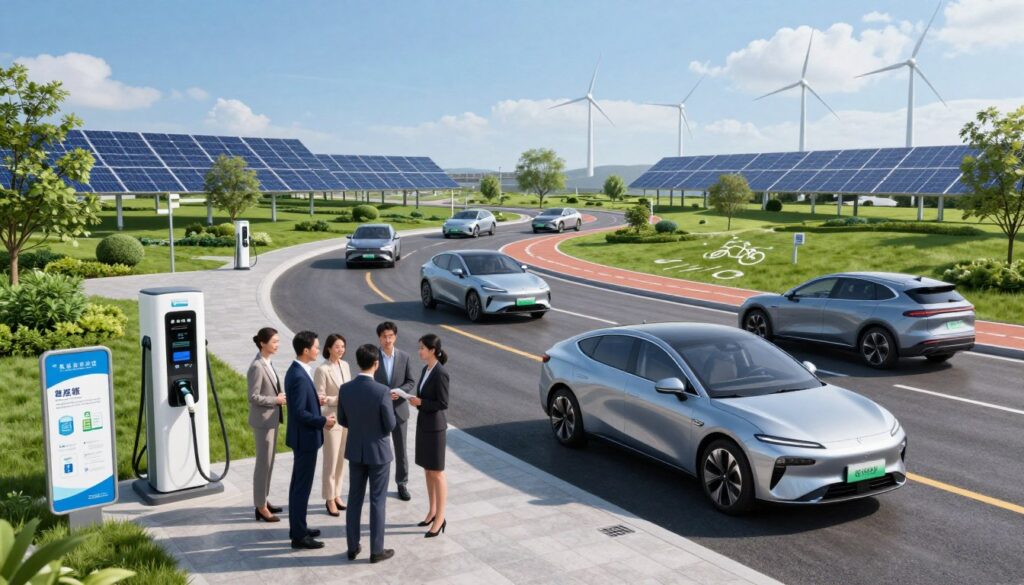
In the U.S., most hydrogen refueling stations are in California. This limits the use of fuel cell vehicles for many Americans. Global infrastructure challenges are clear, like in the U.K., which had only 16 stations by December 2023.
Geographic Limitations
Expanding the network faces big challenges. Moving high-pressure hydrogen gas is hard, unlike electricity. Hydrogen needs special trucks or pipelines, making it tough to set up stations in rural areas.
Future Expansion Plans
Now, governments are focusing on filling these gaps. They aim to build a reliable network across the country. With the right funding, hydrogen could become a better option for long trips in the next decade.
| Infrastructure Factor | Current Status | Future Outlook |
|---|---|---|
| Station Density | Highly Localized | National Expansion |
| Transport Method | Specialized Tankers | Pipeline Integration |
| Investment Level | Emerging | High Priority |
Availability and Infrastructure for Battery Electric Vehicles
It’s key to know about charging infrastructure for those keeping up with electric vehicle technology news. As cars move towards electric power, having reliable charging spots is a big deal for drivers in the U.S.
Charging Station Network in the U.S.
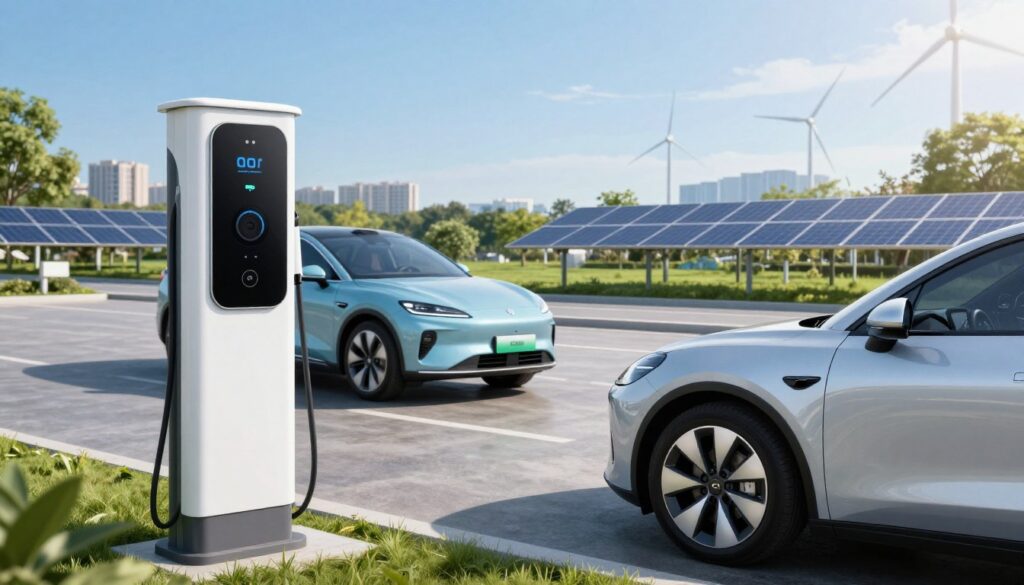
The U.S. is seeing a huge growth in charging stations. Big companies are putting in fast chargers along main roads. This makes long trips easier, showing how great electricity is for cars.
This growth is huge, thanks to the benefits of using electricity for cars.
Home Charging Solutions
For many, the best part of electric cars is home charging. A Level 2 charger in your garage means a full battery every morning. Plus, these cars use regenerative braking to save energy on daily drives.
The Impact of Infrastructure on Adoption
More public chargers mean more people choose electric cars. Seeing lots of chargers makes people less worried about running out of power. This trust helps make eco-friendly car releases popular, as people feel good about switching to electric.
Consumer Perspectives and Market Adoption
A big change is happening in how Americans see the future of cars. The difference between old cars and renewable energy vehicles is getting smaller. This change is making families think twice about what car to buy next.
Consumer Awareness and Acceptance
Over the last ten years, more people know about different fuel sources. Many drivers now see efficiency and sustainability as real benefits of new cars.
The progress in solar cars advancements is helping. It makes people less worried about switching from old cars to new ones.
Trends in Vehicle Purchases
People want cars that save money in the long run. They look for cars that are good for the planet and perform well.
Even though electric cars are popular, people are interested in other types too. They compare solar cars advancements with electric cars to see which is best for them.
Prospective Buyers’ Concerns
Even with growing interest, some big hurdles stop more people from buying. High upfront costs and limited charging spots are big worries.
For families, safety is key. Car makers are working to show that these new cars are safe. Fixing these worries is key for renewable energy vehicles to grow in the US.
| Consumer Priority | Impact on Decision | Market Status |
|---|---|---|
| Safety Standards | High | Proven Reliability |
| Infrastructure | Critical | Rapidly Expanding |
| Total Cost | High | Decreasing Over Time |
| Range Anxiety | Moderate | Improving Technology |
Conclusion: Choosing Between Hydrogen Fuel Cell and Battery Electric Vehicles
Choosing a vehicle depends on your daily driving and local charging options. Battery electric cars are popular for personal use. Hydrogen fuel cells are better for heavy-duty tasks.
Balancing Strengths and Weaknesses
Battery electric cars like Tesla and Hyundai are easy to charge at home. The Toyota Mirai, a hydrogen car, refuels quickly at special stations. Both help the planet by cutting down on fossil fuel use.
Anticipating Future Automotive Shifts
Car makers are improving both battery and fuel cell tech. We’re watching solar cars to see how they fit in. These updates will give us more energy choices soon.
Final Guidance for Buyers
Think about charging or refueling options before buying. Compare costs to see if these green cars save money in the long run. Your choice supports a greener future for cars.
FAQ
What are the primary differences between hydrogen fuel cell cars and battery electric vehicles (BEVs)?
The main difference is how they store and use energy. Battery electric vehicles, like the Tesla Model 3, store electricity in big batteries. On the other hand, hydrogen fuel cell vehicles, such as the Toyota Mirai, make electricity from hydrogen and oxygen, leaving only water vapor behind.
What is the solar powered cars current technology status and upcoming release dates?
Solar cars are getting better as makers try to boost range. Aptera Motors is close to launching cars that run mostly on sunlight for daily trips. Brands are also working on “Solar Roof” tech to power cars and extend their range.
How do hydrogen cars compare to electric vehicles in terms of refueling and range?
Hydrogen cars refuel fast, in 3 to 5 minutes, like gas cars. But, electric cars can charge at home and have a strong public charging network. This makes electric cars more convenient for many people.
Which technology is more environmentally friendly over its entire lifecycle?
We look at production and use. FCEVs have zero emissions at the tailpipe, but making hydrogen often uses natural gas. EVs’ carbon footprint comes from battery materials. Both need a green grid to be truly green.
Are there any high-performance hydrogen or electric models currently available in the U.S.?
Yes. The Lucid Air and Rivian R1T are fast and powerful electric cars. The Toyota Mirai is a high-end hydrogen car. As tech improves, these cars are getting closer to traditional gas cars in performance.
What are the biggest hurdles for the adoption of hydrogen fuel cell technology?
The biggest issue is the lack of hydrogen refueling stations. Most are in California, limiting access. Also, hydrogen cars are more expensive due to the fuel cells and high hydrogen prices.
How do government incentives impact the cost of these renewable energy vehicles?
Incentives from the government are key for growth. The Inflation Reduction Act helps make electric cars cheaper. Hyundai also offers credits for their hydrogen cars, making them more affordable for early buyers.

Hello! I’m Moheen Iftikhar, the founder of «CarMotivei». I’m dedicated to covering modern automotive trends, new car technologies, and useful driving insights to keep car lovers updated and motivated. Here, you’ll find detailed car reviews, expert automotive content, and helpful tips for drivers and enthusiasts alike.