



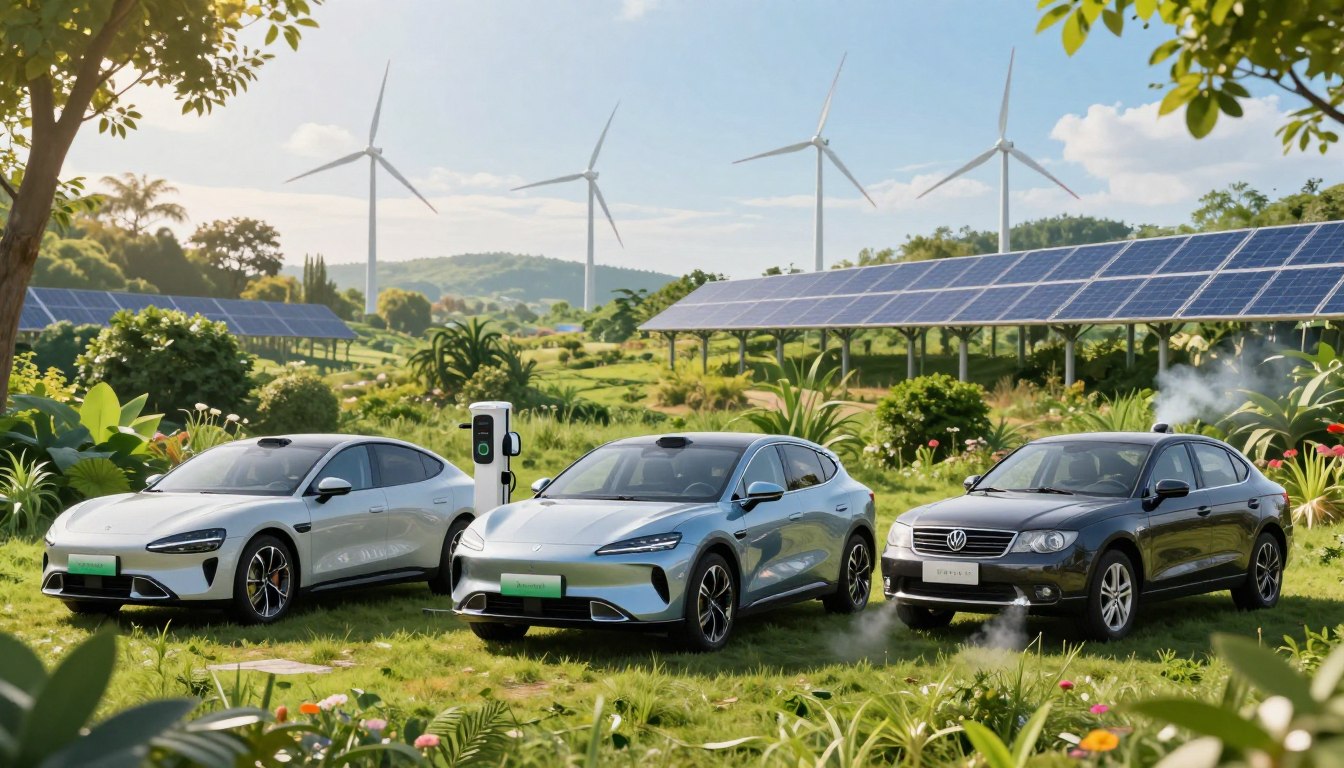
Green Cars Environmental Impact Comparison: Electric vs Hybrid vs Gas
I often stand in my driveway, looking at my car and thinking about the cost of my daily drive. We all want to protect the planet, but picking the right car for our families can be tough. Before you choose, make sure to check the car safety ratings for modern family cars to ensure your choice is safe and green.
Making a conscious decision means looking beyond the price tag. I think understanding the full life of our cars is key to making a difference. By studying how different engines work, we can find the best fit for our values.
Sustainability starts with knowledge. In this guide, I’ll simplify the data to help you through the complex world of car engines. Let’s explore how our choices shape our future together.
Key Takeaways
- Lifecycle analysis reveals the true carbon footprint of your vehicle.
- Modern powertrains offer distinct benefits for different driving habits.
- Safety and sustainability should always go hand in hand.
- Informed consumers drive the market toward cleaner technology.
- Small changes in our daily travel habits create significant long-term results.
Understanding Green Cars and Their Importance
The term “green car” is often used loosely, but it’s very important for our future. The shift towards sustainability is key in the car world. Choosing eco-friendly cars is now essential to cut down our carbon footprint.
What Makes a Car “Green”?
A green car is more than just low emissions. It must be efficient from start to finish. This includes everything from making batteries to recycling the car.
Inside the car, the materials matter too. So does the energy used to make it. Using recycled parts and renewable energy can greatly reduce environmental harm.
The Role of Emission Standards
Emission standards push car makers to innovate. They set limits on harmful pollutants. These standards are key for global progress.
When rules get stricter, companies invest in cleaner tech. This competition leads to faster, better solutions for cleaner cars.
Overview of Environmental Footprints
Figuring out a car’s environmental impact is complex. It involves looking at manufacturing, daily use, and disposal. This shows why eco-friendly cars are so valuable today.
| Impact Factor | Traditional Gas Car | Electric Vehicle |
|---|---|---|
| Manufacturing Emissions | Moderate | High |
| Operational Emissions | High | Low/Zero |
| End-of-Life Recycling | High Efficiency | Developing |
| Overall Sustainability | Low | High |
The Rise of Electric Vehicles (EVs)
As I look into the future of driving, it’s clear that electric vehicles are changing how we travel. They offer a clean alternative to traditional cars. This shift is moving us towards a greener future.

Key Features of Electric Cars
Electric cars stand out because they don’t have a tailpipe. They also have advanced technology that makes driving smooth and quick.
- Instant Torque: Electric motors give quick power, making cars go fast without delay.
- Regenerative Braking: This feature captures energy when you slow down, helping your car go further.
- Software Integration: Many cars get better with updates sent over the air, making them improve over time.
Battery Production and Its Environmental Impact
There’s a hidden cost to electric cars. Making them requires more resources than traditional cars.
Studies show making an EV creates 10 to 14 metric tons of CO2. In contrast, a gas car makes 6 to 9 metric tons. This difference is mainly because of the complex process to make lithium-ion batteries.
Lifecycle Emissions of Electric Cars
The production phase of EVs has a bigger carbon footprint. But, once on the road, they start to make up for it.
Electric cars don’t produce tailpipe emissions while driving. Over time, they pay off their initial carbon debt. This makes them a key part in fighting climate change.
The Hybrid Car Solution
I see hybrid vehicles as a smart choice for cutting down on car emissions. They mix traditional engines with electric motors, making them a good fit for today’s drivers.
How Hybrid Cars Work
Hybrids have a special setup. They use both a gas engine and an electric motor, along with a battery pack.
This design lets the car switch between gas and electric or use both at once. Regenerative braking is key, capturing energy lost when slowing down to charge the battery.

Fuel Efficiency and Emissions Benefits
Hybrids are great at saving fuel. They use electric power in city driving or when stopped, cutting down on gas use.
Looking at the environmental impact, plug-in hybrids are a clear winner. They have the lowest carbon emissions when charged with clean energy.
- Reduced fuel consumption in urban areas.
- Lower tailpipe emissions than regular gas cars.
- Smooth switch between electric and gas power.
Environmental Impact of Hybrid Batteries
While hybrids are better than gas cars, making their batteries has its own environmental cost. Mining for lithium, cobalt, and nickel uses a lot of energy and resources.
But, the batteries last a long time, saving fuel over the car’s life. Car makers are also working on recycling to reuse battery materials.
Choosing a hybrid means you’re picking a car that’s good for the planet. It’s a smart way to drive towards a greener future.
Traditional Gasoline Vehicles
Gasoline cars are the main way people get around for millions in America. They’ve been a key part of our lives for over a century. But, it’s important to look at how they work and their impact on the environment.
Understanding Gas-Powered Engines
Gas cars have an internal combustion engine at their core. This engine turns fuel into motion through explosions. Efficiency is key, but these engines burn fossil fuels.
Engines go through four stages: intake, compression, combustion, and exhaust. Even with improvements, burning gasoline limits how well they work. Reliability and power are big pluses, but they come with a big environmental cost.
Emissions and Fuel Economy Comparison
Gas cars emit about 400 grams of CO2 per mile. One gallon of gasoline releases 8,887 grams of CO2. This shows the big environmental impact.
To cut down on emissions, improving fuel efficiency is key. Here’s how different things affect engine performance:
- Engine Displacement: Smaller engines use less fuel.
- Vehicle Weight: Lighter cars need less energy to move.
- Driving Habits: Fast acceleration hurts fuel efficiency.
| Metric | Impact Level | Environmental Cost |
|---|---|---|
| CO2 per Mile | High | 400 grams |
| CO2 per Gallon | High | 8,887 grams |
| Efficiency Gains | Moderate | Variable |
Long-Term Environmental Concerns
Using fossil fuels is a big risk for our climate. The whole process, from extraction to refining, harms the environment. Our use of these systems is hard to change without new tech.
Think about all the cars on the road every day. Even with better fuel economy, the total emissions are a big worry. Switching to new energy sources is a big challenge that needs time and money.
Comparing the Carbon Footprint
When I compare the carbon footprint of different cars, I often find surprising facts. It’s not just about what comes out of the tailpipe. A true environmental impact assessment looks at the whole life of the car. This helps me see how my choices affect the planet.

Direct Emissions from Electric, Hybrid, and Gas
Looking at direct emissions, the differences are clear. Gasoline cars release carbon dioxide and pollutants into the air. Electric cars, on the other hand, have zero tailpipe emissions, improving air quality in cities.
Hybrid cars use both electric motors and fuel-burning engines. They cut down on pollutants, making them better than traditional gasoline vehicles in city driving. This mix reduces immediate air pollution.
Indirect Emissions and Their Impacts
The environmental impact of a car starts before it’s even made. Making big lithium-ion batteries creates a lot of carbon. But studies show electric cars are cleaner than gas cars after just 1.4 to 1.9 years of driving.
After that, electric cars are cleaner. The indirect emissions depend on how the electricity for charging is made. If it’s from coal, it’s worse. But wind or solar energy makes it better.
How Driving Patterns Affect Emissions
My driving habits greatly affect my car’s emissions. Short trips in a cold engine gasoline vehicle are bad for the environment. But hybrids and electric cars use regenerative braking, saving energy.
Driving fast or aggressively makes any engine work harder and burn more fuel. Driving smoothly reduces the footprint of any car. Here’s a table to show the differences.
| Vehicle Type | Direct Emissions | Efficiency | Break-even Time |
|---|---|---|---|
| Electric | Zero | High | 1.4 – 1.9 Years |
| Hybrid | Moderate | Very High | N/A |
| Gasoline | High | Low | Baseline |
The Role of Renewable Energy
The power grid is key when we talk about a car’s true cleanliness. The environmental benefit of a car depends on the energy it uses. We need to look beyond the tailpipe for a full comparison.

Charging Electric Cars with Renewable Sources
Electric vehicles aim for zero emissions, but their impact depends on the local grid. In the US, 78.5% of electricity comes from coal and natural gas. This means charging electric cars in some areas uses fossil fuels.
But, more wind and solar power are entering the grid. Transitioning to cleaner energy makes electric cars better for the environment. As the grid gets greener, electric cars’ emissions decrease.
Green Energy Policies and Their Impact
Government policies are pushing us toward a sustainable energy future. These policies encourage renewable energy, making electricity cleaner. They are key for long-term environmental progress.
These efforts also lead to older, dirty power plants being retired. This change makes electric cars’ environmental profile better every year. It’s a long-term investment in cleaner air for all.
Comparison of Fuel Sources for Hybrids and Gas
Hybrids and gas vehicles have fixed fuel sources. Gasoline is always a carbon-intensive fuel, no matter the engine’s efficiency. A detailed comparative analysis shows how these technologies compare.
Hybrids use fuel more efficiently but rely on fossil fuels. Electric vehicles can get cleaner as the grid evolves. This comparison shows why energy source is key for sustainable transport.
Costs and Economic Considerations
Looking at the cost of cars today means more than just the price tag. It’s about weighing the short-term costs against the long-term savings. This balance helps you make a smart choice for your wallet and the planet.

Initial Investment vs. Long-term Savings
When I consider buying a new car, I think about all costs over time, not just the price. Electric cars might cost more upfront, but they save money on fuel and daily use.
Battery making is a big part of EV emissions, affecting their environmental and economic impact. Yet, the savings on fuel over time can make up for the higher initial cost.
“The bitterness of poor quality remains long after the sweetness of low price is forgotten.”
Maintenance Costs for Each Type of Vehicle
Maintenance costs vary a lot between car types. Electric cars have fewer parts, leading to lower repair bills over time.
Hybrids are in the middle, with both an engine and an electric motor. They need oil changes but their brakes last longer than gas cars.
Government Incentives and Tax Benefits
Many governments help make green cars more affordable. They offer financial support to encourage sustainable choices.
Check out electricity benefits and tax credits to lower your costs. Local and state incentives can also save you money, making green cars more affordable.
| Vehicle Type | Upfront Cost | Maintenance Needs |
|---|---|---|
| Electric | High | Low |
| Hybrid | Moderate | Moderate |
| Gasoline | Low | High |
Consumer Preferences and Trends
The car world is changing fast as people think differently about how they get around. More folks want cars that are good for the planet. This change is here to stay, marking a big shift in how we see getting from point A to point B.
Growing Popularity of Electric and Hybrid Cars
In the U.S., green cars are more popular than ever. Buyers love the savings and the eco-friendly aspect. Electric vehicles and hybrid vehicles are everywhere, showing a big move toward cleaner energy.

Car makers are adding more models to meet this demand. Now, there’s a wide range of cars, from small ones to big SUVs. This makes it easier for everyone to find a car that fits their life and helps the planet.
Barriers to Adoption of Green Cars
Even with all the excitement, there are challenges. Charging stations are a big issue in some areas. Also, the environmental benefits aren’t always clear-cut.
Studies show that 91% of local pollution from electric vehicles goes to other states. This is because the power plants are far away. So, electric cars aren’t always the perfect fix for every place.
Future Trends in the Car Market
Technology will help solve these problems with better batteries and faster charging. The market for hybrid vehicles will keep growing, helping those who aren’t ready for electric cars yet. Cleaner energy will make these cars even better.
New tech like solid-state batteries and self-driving cars will shape the next 10 years. As these advancements grow, it will get easier for everyone to choose green cars. Soon, driving a green car will be the norm in America.
Making the Best Choice for You
Choosing the right car means looking at your daily driving and long-term goals. It’s best to balance your lifestyle with caring for the planet. This approach helps you make a smart choice.
Assessing Your Personal Driving Habits
Think about how many miles you drive each year and where you can charge your car. Understanding eco-friendly cars involves looking at their whole life cycle. This helps you see how they perform over time.
Evaluating Environmental Priorities
When you care about the environment, look beyond the price tag. Toyota’s hybrids are good for many, but electric cars are cleaner. Weigh the benefits of less pollution against the car’s environmental impact during making.
Choosing the Right Car for Your Lifestyle
Choosing cars that use less fuel saves money and helps the planet. Whether it’s a plug-in hybrid or a full electric, your choice affects the environment for years. Make sure your next car is right for your area and supports a greener future.
FAQ
How long does it take for electric vehicles to become cleaner than gasoline vehicles in terms of environmental impact?
Electric vehicles start with a “carbon debt” from making them. But they usually match traditional cars in emissions within 1.4 to 1.9 years. Their better fuel use and no tailpipe emissions make them greener over time.
Is the production of batteries for eco-friendly cars really that harmful?
Yes, making an EV like a Tesla Model 3 creates 10 to 14 metric tons of $CO_2$. This is more than a Ford Mustang’s 6 to 9 metric tons. Battery making is 35% of an EV’s emissions, affecting their environmental impact.
Between electric, hybrid, and gas, which has the lowest lifetime carbon emissions?
Plug-in hybrid electric vehicles (PHEVs) are the surprise winner. Models like the Toyota Prius Prime can have lower emissions than full electric cars. This is true when the power grid is not fully clean.
What are the specific carbon output figures for traditional gasoline vehicles?
Gas cars emit about 400 grams of $CO_2$ per mile. Burning one gallon of gasoline releases 8,887 grams of $CO_2$. This shows why switching to eco-friendly cars is key for the planet.
How does the current US power grid affect the cleanliness of electric vehicles?
Most US electricity, 78.5%, comes from non-renewable sources. This makes EVs’ emissions high. But, as we move to more green energy, EVs will get cleaner faster than gas cars.
Are the environmental benefits of electric vehicles distributed equally?
EVs cut local pollution but most pollution damage goes to other states. This uneven impact makes adopting EVs harder for everyone.
What economic factors should I consider when choosing between these vehicle types?
Don’t just look at the price tag. EVs and hybrids cost more upfront but save money on fuel and upkeep. Also, government incentives and tax breaks can help with the higher costs.

Hello! I’m Moheen Iftikhar, the founder of «CarMotivei». I’m dedicated to covering modern automotive trends, new car technologies, and useful driving insights to keep car lovers updated and motivated. Here, you’ll find detailed car reviews, expert automotive content, and helpful tips for drivers and enthusiasts alike.


