


Car Leaking Water Underneath Passenger Side When Air Conditioner Is On
Seeing a mysterious puddle in your car can be scary. Finding out your car leaks water under the passenger side when the air conditioner is on is even more alarming. This is true, even more so during hot summer drives.
While some moisture is normal from cooling systems, too much inside your car is a sign of a bigger problem. It could mean something serious is wrong with your car.
Your peace of mind matters to us. It’s frustrating to worry about damage or mold inside your car. Finding the problem early can save you from expensive fixes and keep your car comfortable. Let’s explore the common reasons for this and how to fix it.
Key Takeaways
- Normal condensation usually drips outside, not inside the cabin.
- A clogged drain tube is the most frequent cause of interior moisture.
- Ignoring these puddles can lead to expensive carpet and electrical damage.
- Regular maintenance helps prevent debris from blocking drainage systems.
- Professional inspection is recommended if the issue persists after cleaning.
Understanding Air Conditioner Functionality
Your car’s air conditioner works by exchanging heat and condensing water. When you turn on the climate control, it cools the air and removes moisture. This makes your car comfortable, even on hot and humid days.
Removing moisture from the air is key. It stops the air from feeling heavy or damp inside your car.
Basics of Car Air Conditioning Systems
The air conditioning in your car uses a special liquid called refrigerant. This liquid moves heat from inside to outside. It has several parts that work together:
- Compressor: Pressurizes the refrigerant to start the cycle.
- Condenser: Releases heat to the outside air.
- Evaporator: Absorbs heat from the cabin air.
- Expansion Valve: Controls the refrigerant flow.
Warm air cools down as it passes over the cold evaporator coil. This is how your car stays cool.
How Excess Moisture Forms
Warm air hitting the chilled evaporator coil turns water vapor into liquid. This is called condensation. It’s like a cold glass of water sweating on a hot day.
The system is designed to catch this moisture. If it doesn’t, your dashboard could get humid and even grow mold.
Reasons for Water Leaking
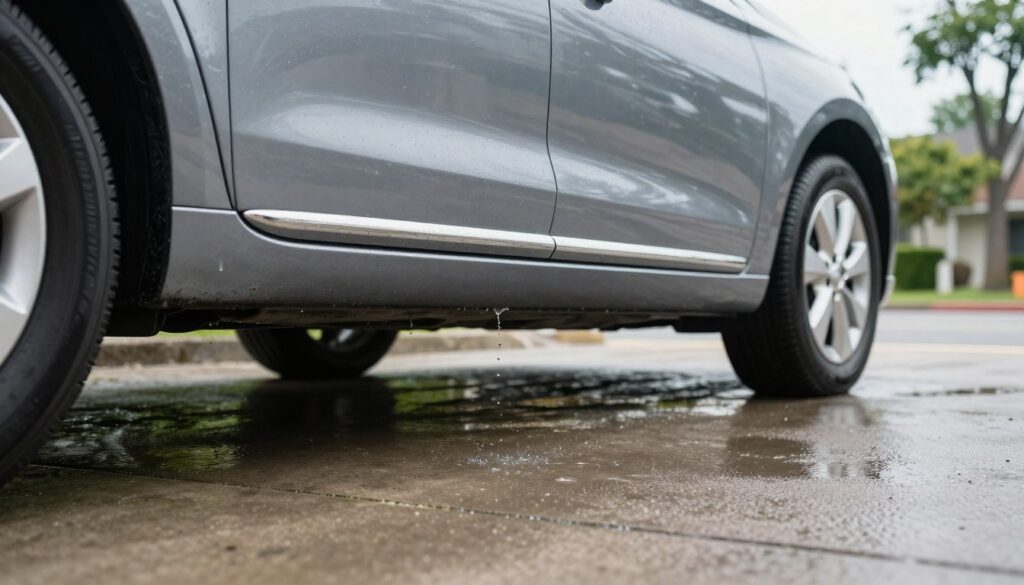
Normally, the collected water goes into a tray and out through a hose. This is why you might see water under your car after parking.
But if you see water leaking under the passenger side when the AC is on, it’s usually okay. Problems start when the water can’t get out.
A big problem is when the drain hose gets clogged or falls off. Then, the water can’t leave and might leak into your car. If you see a lot of water leaking, check the drainage system.
Common Signs of Water Leaks
Finding a car water leak passenger side early can save you money. Moisture problems start small but grow fast if ignored. If you’re dealing with other car issues, check a troubleshooting checklist for a clicking starter to keep electrical systems safe from water.
Identifying Accumulation Under the Passenger Side
Visible moisture on the floorboards is a leak sign. Check under your floor mats often, after using the AC. Dampness or water means your drainage system is failing.
Unpleasant Odors Inside the Vehicle
A musty smell is a hidden leak warning. Water in the cabin fosters mold and mildew. If your car smells like a damp basement, find the leak fast to avoid health and damage risks.
Wet Carpets or Upholstery
Ignoring a car water leak passenger side can ruin carpets and padding. Moisture harms floor insulation, hard to dry. Act quickly to avoid stains and damage to your car’s interior.
| Symptom | Severity Level | Potential Impact |
|---|---|---|
| Damp Floor Mats | Low | Minor surface moisture |
| Musty Odors | Medium | Mold and mildew growth |
| Saturated Carpeting | High | Corrosion and electrical damage |
Potential Causes of Water Leaking
Seeing a car water leak passenger side often means there’s a problem with the cooling system. This usually happens when the cooling process goes wrong. Water then leaks into the car.

Clogged Drainage Tubes
A water leak from car AC is often caused by a clogged drain line. Dirt, leaves, mold, and road debris can block these tubes. This stops water from leaving the car properly.
When the drain line is blocked, water leaks back into the car. It’s important to keep these lines clean. This is like following a car seat installation guide step-by-step for safety and alignment.
Faulty Seals or Gaskets
The seals or gaskets around the A/C unit are also key. If they get old or crack, they can’t keep water out.
This lets water leak through and drip on the floor mats. Regular inspection of these parts can stop water damage.
Issue with the A/C Evaporator
The evaporator core is where the cooling magic happens. It absorbs heat and turns it into water. But if it’s damaged or not fitted right, water can’t be drained outside.
At times, the evaporator itself might leak. This needs a pro to fix. Fixing these problems early keeps your car cool and dry in summer.
| Component | Primary Failure | Resulting Symptom |
|---|---|---|
| Drainage Tube | Debris Blockage | Standing water on floor |
| Housing Gasket | Brittle/Cracked Seal | Dripping behind dashboard |
| Evaporator Core | Internal Damage | Musty odor and moisture |
Diagnosing the Leak
When you notice dampness, it’s important to do a car water leak diagnosis first. Start by looking at the passenger side floorboard for moisture. Finding where the fluid comes from is key before fixing it.
How to Spot the Source of Water
Look at the area under the dashboard on the passenger side. Check for water dripping from the HVAC housing or the drain tube. Clear, odorless water is usually just condensation from your cooling system.
If the fluid is oily or has a color, it might be a coolant leak. Always check the liquid’s texture and smell. If unsure, get a professional to avoid more damage.

Using a Water Test for Diagnosis
A water test can confirm if your car AC leaking water issue is a clogged drain or something else. Park on a level surface and run the AC for ten minutes. Watch the ground to see if water forms.
If a puddle forms, the drainage system is working. If water stays inside, the drain tube is blocked. This test helps rule out rain or window seal leaks.
Professional Inspection Solutions
If you can’t find the leak, it’s time for a professional. A certified technician can do a pressure test on your cooling system.
Ignoring moisture can cause electrical problems or trigger warning lights. If you see unusual symbols, learn about dashboard lights meanings and what to do. A professional check ensures your car AC leaking water issue is fixed for good.
DIY Solutions for Clogged Drainage
When you see your car AC leaking water inside, simple fixes might work. Many problems come from small debris that you can remove with common items. Doing car water leak troubleshooting helps keep your car dry and comfy.
Step-by-Step Guide to Clear Drainage Tubes
First, find the rubber drain hose under your car. It’s usually near the firewall on the passenger side. You might need to jack up the car to reach it. Always make sure your car is on a level surface and supported by jack stands before you start.
Once you find the tube, look for any blockages like leaves or dirt. Use a flexible tool to remove any blockage at the opening. If the water starts draining well, you’ve fixed the problem.
Necessary Tools and Materials
To fix these issues, you’ll need a few key items. The right tools make the job easier and safer for your car.
- Flexible wire or pipe cleaner: Good for gently poking through the drain tube.
- Wet-dry vacuum: Great for sucking out tough debris from the outside opening.
- Compressed air: A quick blast can clear blockages inside, but be careful not to damage seals.
- Safety goggles: Keep your eyes safe from falling debris or water.
When to Seek Professional Help
DIY fixes work for small clogs, but some problems need a pro. If you can’t get rid of moisture or think there’s a damaged evaporator core, it’s time to call a mechanic. Ignoring big issues can cause electrical damage or mold in your system.
| Scenario | DIY Feasibility | Professional Required |
|---|---|---|
| Minor debris at drain tip | High | No |
| Persistent interior wetness | Low | Yes |
| Damaged evaporator housing | None | Yes |
| Unpleasant musty odors | Moderate | Yes |
Impact of Ignoring Water Leaks
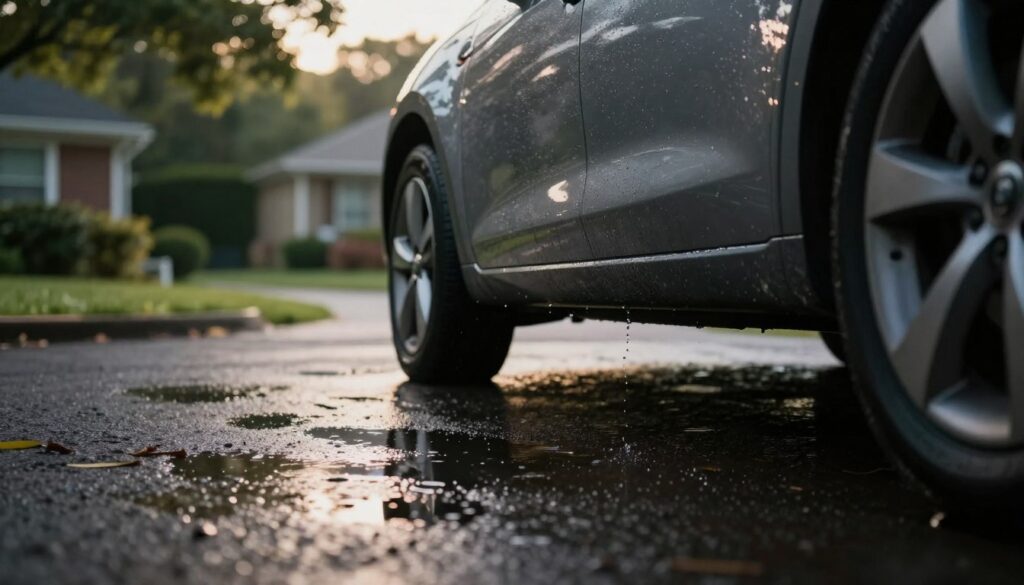
Water pooling inside your car is more than just a wet floor mat. Many drivers ignore a passenger side water leak until it’s a big problem. It’s important to act fast to keep your car safe and valuable.
Potential Damage to Interior Components
Modern cars have many sensitive parts under the dashboard or carpet. Water can cause short circuits and sensor failures. Keeping these parts dry is key to protecting your car.
Water also damages your car’s interior. You might see stains, worn-out seats, and corroded metal parts. These problems can make your car uncomfortable and unsafe.
Risks of Mold and Mildew Growth
Damp air is perfect for mold and mildew. Once they start growing, they spread fast. This creates bad smells and health risks for everyone inside.
Mold spores can make allergies worse and cause breathing problems. If you’re wondering why does car ac leak water, fixing the leak is key. Regular cleaning helps, but stopping the leak is the best way to keep your car healthy.
Long-Term Effects on the A/C System
Ignoring a passenger side water leak means your drainage system is broken. This can cause rust and damage to your A/C unit. This can make your A/C fail early.
Fixing a clogged drain is easy, but fixing a damaged evaporator core is hard and expensive. By acting quickly, you can avoid these big problems.
- Permanent damage to the evaporator housing.
- Increased strain on the blower motor due to moisture buildup.
- Higher repair costs compared to routine maintenance.
When to Visit a Mechanic
It’s important to know when a simple fix turns into a big problem. A passenger side water leak often means there’s a bigger issue. This usually needs special tools and equipment to fix.
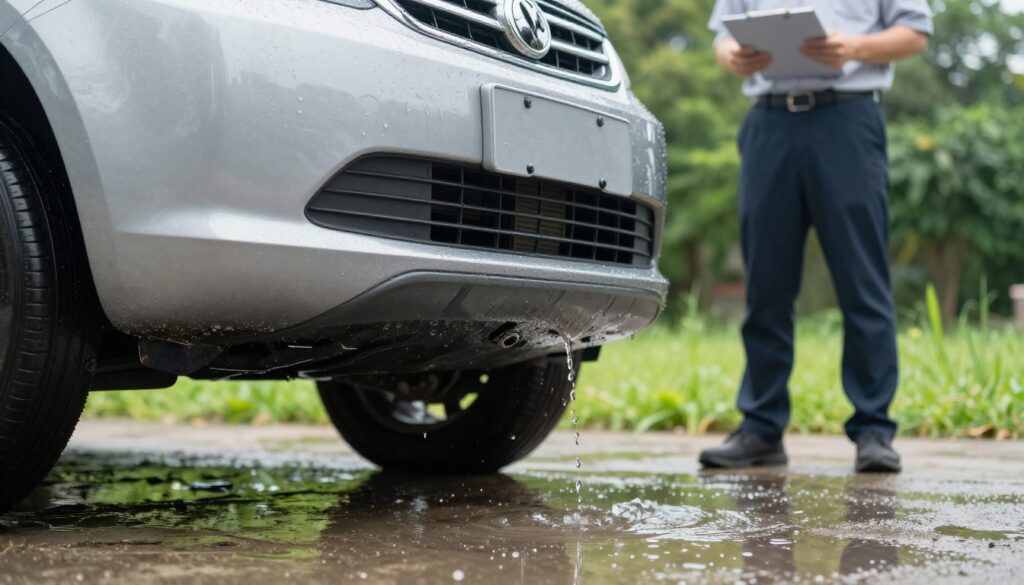
Signs Your Vehicle Needs Professional Attention
If water keeps coming in, even after you try to fix it, it’s time to see a mechanic. Not sure what’s wrong? Check out why is water dripping inside my car when the ac is on. This can help you figure out if it’s a big problem.
Internal damage to the evaporator or bad seals need a pro to fix. This is to avoid bigger electrical problems later.
Cost Considerations for Repairs
The cost to fix a car water leak repair can change a lot. Simple fixes are cheap, but fixing a damaged evaporator or seal is more expensive. Get a detailed estimate that shows:
- Diagnostic fees for finding the leak.
- Labor costs for taking apart the car’s interior.
- Cost of new parts or sealants.
Choosing the Right Mechanic for Services
Finding the right mechanic is key. Look for those who know a lot about car climate control systems. They have the skills to work on the car’s delicate parts.
Make sure the shop is certified and has good reviews. This means they’re good at fixing passenger side water leaks carefully.
Choosing a trusted shop means your car gets the right care. This protects your investment from more damage. Professional help gives you peace of mind, knowing the leak is fixed for good.
Preventative Measures You Can Take
Keeping your car interior dry starts with regular maintenance. By staying ahead of issues, we keep our climate control systems working well all year. Simple habits are key to car water leak prevention.
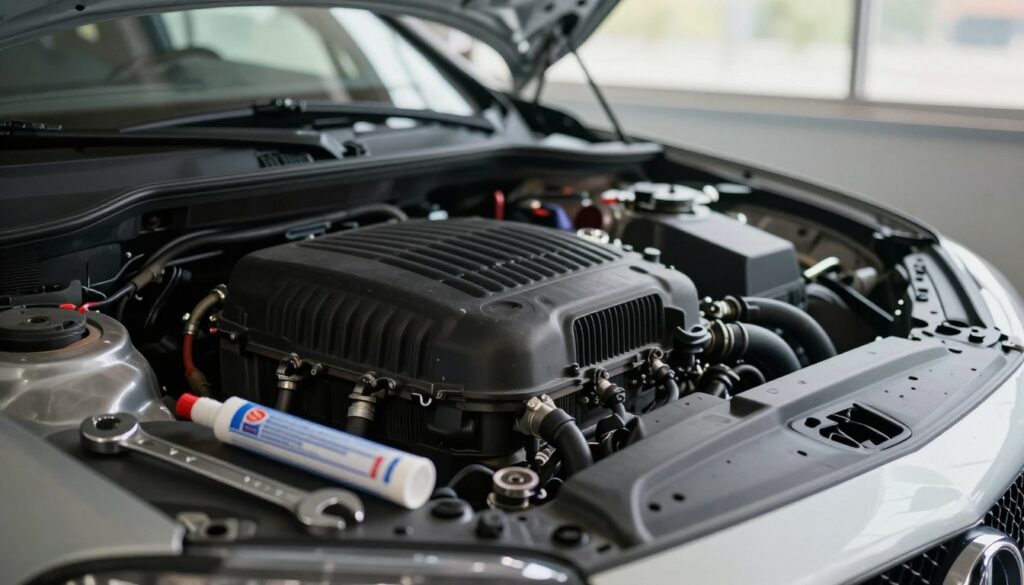
Regular Maintenance Tips for the A/C System
Replacing the cabin air filter regularly is a big help. A clean filter stops leaves and dust from getting into the evaporator. Regularly checking this part keeps airflow good and drainage clear.
Also, keep the area near the windshield base clean. Debris here can block drainage channels. Keeping these areas clean is important for car water leak troubleshooting.
Seasonal Checks for Drainage Issues
Check your vehicle’s drainage points at the start of each season. As temperatures change, so does condensation in your A/C. This is a good time to make sure water is draining right.
If water isn’t dripping under the car, there might be a blockage. A quick check can prevent big water damage. If you’re not sure, a car water leak diagnosis by a pro can give you peace of mind.
Best Practices for Keeping Your Car Interior Dry
Our daily habits also protect our vehicle. Park in garages or under cover to avoid debris in vents. This helps prevent clogs in your drainage system.
Also, watch the floor mats on the passenger side for dampness. Fix it right away to stop mold and damage to electrical parts. Being proactive keeps your car dry and comfortable for years.
Conclusion: Keeping Your Car Running Smoothly
Managing your car’s climate control system is all about watching and acting fast. Knowing when it’s just condensation and when it’s a real problem helps keep your car in top shape.
Recap of Key Points on Water Leaks
Clear, odorless water from the passenger side means your system is fine. Learn more about your car’s AC by watching these signs. But if the fluid is colored or oily, get help right away to avoid more damage.
Final Thoughts on Vehicle Maintenance
Fixing water leaks starts with spotting them early. Regular checks keep your air fresh and prevent damage to electrical parts. Staying on top of these tasks is key for your car’s long-term health.
Encouragement to Stay Proactive
Make simple checks a part of your routine for leak prevention. Catching small problems early saves you time and money. Your effort keeps your car safe and reliable for years to come.
Preventative Measures You Can Take
Basics of Car Air Conditioning Systems
The air conditioning system in your car works like a fridge. It uses a compressor to move refrigerant, which changes state to cool the air. This happens mainly in the evaporator unit, hidden behind the dashboard on the passenger side.
How Excess Moisture Forms
When you turn on the air conditioner, the evaporator coil gets very cold. Warm, humid air from inside the car then hits these coils. This makes the moisture in the air turn into liquid water droplets.
Reasons for Water Leaking
Normally, this water collects in a drip pan and drains out of the car. If your car leaks water when the air conditioner is on, it might just mean it’s working right. But if the water stays inside, it’s a sign of a problem with the drainage.
Identifying Accumulation Under the Passenger Side
Check the front passenger floorboard for dampness often. A water leak often starts as a slight dampness under the floor mats. It can grow into a big puddle if not fixed.
Unpleasant Odors Inside the Vehicle
Stagnant moisture can cause a musty smell inside the car. This smell, like an old gym bag, means there’s water trapped somewhere. If you smell it, it’s a sign of a water leak problem.
Wet Carpets or Upholstery
Watch for spongy carpets or discolored upholstery near the center console. These signs mean there’s a leak inside. Catching these signs early can prevent damage to your car’s interior.
Clogged Drainage Tubes
The most common cause is a clogged drainage tube. Debris like dust, leaves, or small insects can block it. When it’s blocked, water can’t drain and goes back into the car.
Faulty Seals or Gaskets
Seals and gaskets around the evaporator housing can wear out or crack over time. In older cars, like a high-mileage Jeep Grand Cherokee, these can fail. This lets water leak through the firewall.
Issue with the A/C Evaporator
Sometimes, the evaporator unit itself is damaged or not fitted right. If it leaks or has cracks, water will get in. This needs mechanical work to fix.
How to Spot the Source of Water
First, check if the liquid is clear and odorless. If it is, it’s likely water from the AC. Look for moisture tracks from the kick panels or glovebox to find where it’s coming from.
Using a Water Test for Diagnosis
To confirm, run the AC on “recirculate” while parked. Watch where the water goes or doesn’t go. This tells you if the blockage is outside or inside.
Professional Inspection Solutions
If DIY methods don’t work, get a pro to check it. Shops like Pep Boys or Firestone Complete Auto Care use special tools. They can see inside the HVAC ducts to find problems.
Step-by-Step Guide to Clear Drainage Tubes
To fix a clogged drain, find the rubber tube under the car, near the firewall. Use a thin wire or compressed air to clear it. This lets the water drain out.
Necessary Tools and Materials
For a successful repair, you’ll need a few things: a flashlight, a shop vacuum, and a soft-bristled brush. Compressed air is also good for clearing small clogs without harming the rubber.
When to Seek Professional Help
If the leak doesn’t stop after cleaning the drain, or if the water mixes with coolant, get help. Complex problems like a bad evaporator core need a certified mechanic.
Potential Damage to Interior Components
Ignoring a water leak can be expensive. Water can damage sensitive electronics, like the Engine Control Module (ECM) or airbag sensors. These are often near the floor in cars like the BMW 3 Series.
Risks of Mold and Mildew Growth
Moisture can lead to mold and mildew. This ruins your car’s look and value. It also poses health risks, mainly for people with breathing problems.
Long-Term Effects on the A/C System
A system that can’t drain properly is under stress. This can cause rust on the evaporator fins early. Eventually, you might need to replace the whole system, which could have been avoided with early maintenance.
Signs Your Vehicle Needs Professional Attention
If your air conditioner isn’t cooling right or you see water leaking, get help fast. These signs often mean a bigger mechanical problem inside the sealed system.
Cost Considerations for Repairs
The cost to fix a water leak varies. Cleaning the drain might be cheap, but fixing the evaporator core is more work. Get a detailed estimate from a trusted shop like Goodyear to know what to expect.
Choosing the Right Mechanic for Services
Choose a mechanic who knows HVAC systems well. Look for ASE-certified technicians who work on your car’s make and model. This ensures they can fix it right.
Regular Maintenance Tips for the A/C System
Preventing leaks starts with regular maintenance. Clean the air intake vents at the base of the windshield. This keeps debris out and prevents clogs.
Seasonal Checks for Drainage Issues
Do a “drain check” before summer starts. Run the AC and make sure water drains properly. This confirms the system is ready for high humidity.
Best Practices for Keeping Your Car Interior Dry
Use high-quality cabin air filters to catch dust and dirt. Also, keep the evaporator clean with products like Febreze or AC disinfectants. This keeps your car smelling fresh.

Hello! I’m Moheen Iftikhar, the founder of «CarMotivei». I’m dedicated to covering modern automotive trends, new car technologies, and useful driving insights to keep car lovers updated and motivated. Here, you’ll find detailed car reviews, expert automotive content, and helpful tips for drivers and enthusiasts alike.