


Transmission Slipping Symptoms and Average Repair Costs for Trucks
Your vehicle is more than just a machine; it’s essential for your daily life. If you hear strange noises or feel hesitation when shifting gears, it’s normal to feel worried. A reliable drivetrain is key to smooth, controlled motion.
Spotting transmission slipping symptoms early can save you from big problems. Knowing about these signs helps you take care of your vehicle before it’s too late. Ignoring them can lead to big expenses later on.
Knowing the average repair costs for trucks helps you budget better. By taking care of your vehicle early, you avoid unexpected breakdowns. We’ll help you understand how to keep your fleet running smoothly.
Key Takeaways
- Early detection of gear issues prevents catastrophic mechanical failure.
- Recognizing warning signs saves significant time and money.
- Proactive maintenance extends the lifespan of your heavy-duty vehicle.
- Budgeting for possible repairs keeps your finances stable.
- Professional diagnostics offer clear solutions to complex problems.
Understanding Transmission Slipping Symptoms
Transmission health is key to your truck’s performance. Yet, it’s often ignored until a problem arises. The transmission is the second most complex part of your vehicle, after the engine. It needs regular checks to work smoothly.
We think being proactive is the best way to keep your truck running well for a long time.
Common Signs of Slipping Transmission
Spotting signs of transmission problems early can stop small issues from becoming big ones. A sudden, unexpected rise in your engine’s RPMs without speed increase is a sign. You might also notice your truck hesitating when you press the gas pedal.
A burning smell from under the car or dark, murky transmission fluid are other signs. Grinding noises or a truck that shudders during shifts mean your transmission is having trouble. Paying attention to these signs is important for truck owners.
Why Ignoring Symptoms Can Be Costly
Ignoring early signs can lead to compounding costs that are much higher than a simple fix. A slipping transmission can overheat, damaging seals, clutches, and gears. Driving like this can cause a total failure, needing a costly overhaul.
A slipping transmission is also a safety risk. It can cause a loss of power, making you vulnerable on the road. We advise fixing these problems quickly to protect your investment and safety.
| Symptom | Potential Cause | Severity Level |
|---|---|---|
| RPM Spikes | Worn Clutch/Low Fluid | High |
| Hesitation | Solenoid Failure | Medium |
| Burning Odor | Overheated Fluid | Critical |
| Grinding Noise | Internal Gear Wear | Critical |
Causes of Transmission Slipping
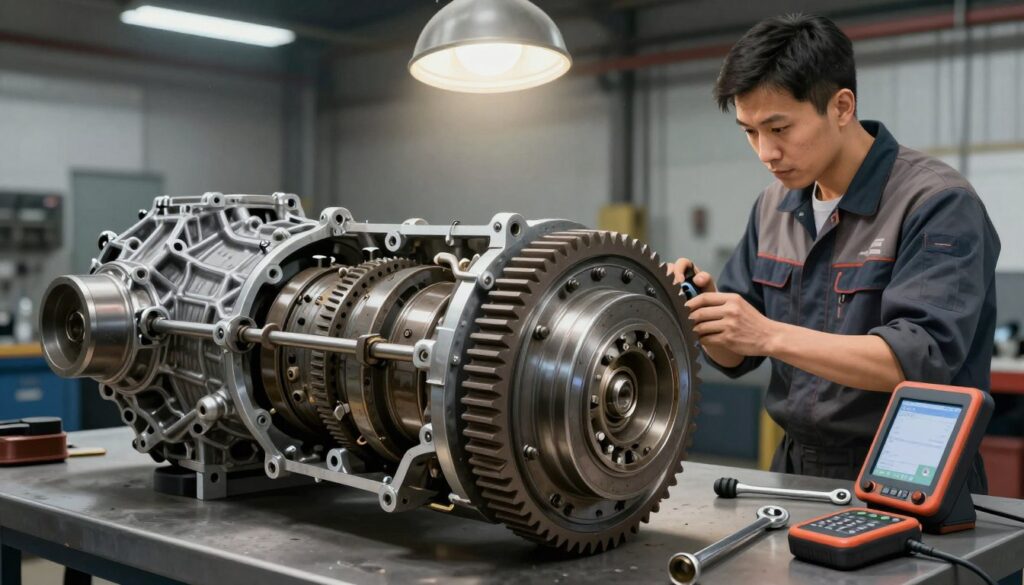
Many mechanical and electronic issues can cause transmission slipping. Often, it starts with simple maintenance mistakes. If your car doesn’t shift gears smoothly, it’s a sign of a problem. Catching these signs of transmission problems early can avoid big repairs and save money.
Low Fluid Levels
Transmission fluid is vital for your car’s gears to shift smoothly. If the levels drop, the transmission can’t work right. This might show as slow shifting or hesitation when you press the gas.
If your car feels slow, check the fluid levels right away. Also, if you see a clicking starter motor, get a pro to check everything. This ensures your truck is safe to drive.
Worn Clutch Components
In manual transmissions, the clutch connects the engine to the gearbox. Over time, the clutch wears out, causing slipping. You might see clutch slipping symptoms when the engine RPMs go up but the car doesn’t speed up.
Ignoring this wear can damage the pressure plate and flywheel. Replacing them quickly is key to fixing the problem. Regular checks can catch this issue before it gets worse.
Faulty Solenoid or Sensor
Automatic transmissions use sensors and solenoids to shift gears. If a solenoid fails, the transmission might not shift right. This can make the transmission slip or stay in the wrong gear.
These systems need special tools to find the problem. Checking your electronic control unit is as important as keeping your mechanical parts in good shape. A quick scan can show if a simple fix is needed.
Diagnosing Transmission Issues
When your truck starts acting up, finding the problem first is key. We think spotting the issue early stops small problems from getting worse. This way, you avoid the hassle of not knowing what needs fixing.
Professional Diagnostic Tools
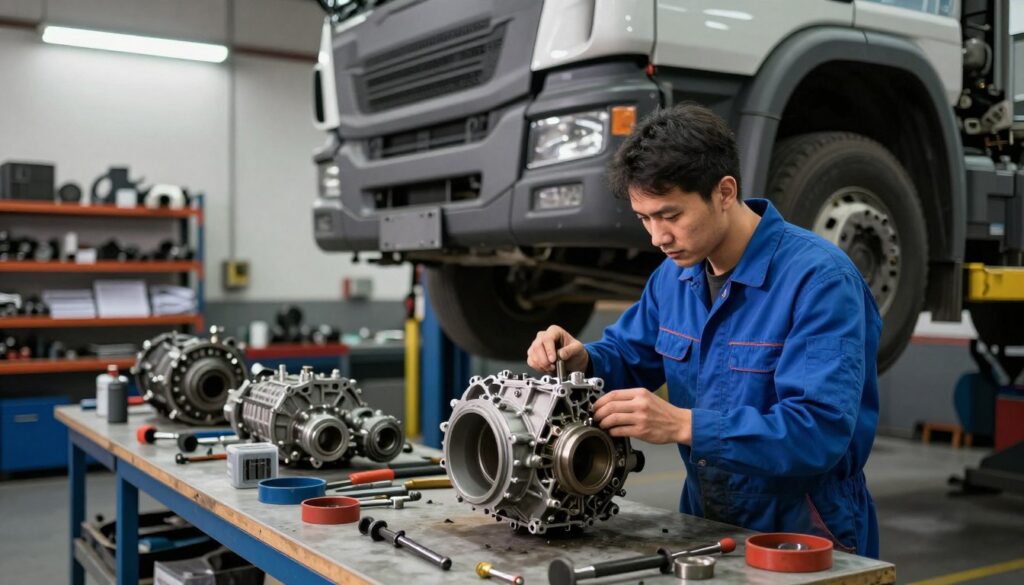
Today, truck transmission troubleshooting uses advanced tech. Mechanics use top-notch OBD-II scanners to find error codes. These codes often show up problems like bad solenoids or sensors that you can’t see.
But it’s not just about digital scans. Mechanics also do road tests to see how the truck shifts. They check the transmission fluid for signs of trouble. This comprehensive evaluation makes sure the fix is based on real data, not guesses.
“A precise diagnosis is the foundation of any successful repair. Without the right tools, you are simply throwing parts at a problem that might be solved with a simple software update or fluid change.”
When to Consult a Mechanic
Some small fixes you can do yourself, but not all truck transmission issues. If you see a flashing check engine light or smell burning, stop driving right away. Driving a damaged truck can cause even more harm.
Getting a pro to look at it early can give you a clear transmission repair estimate. Use the table below to know when to call a mechanic versus when to try a simple check.
| Symptom | Severity | Recommended Action |
|---|---|---|
| Delayed Engagement | Moderate | Schedule Inspection |
| Burning Fluid Odor | High | Stop Driving Immediately |
| Minor Fluid Leak | Low | Monitor and Consult |
| Grinding Noises | Critical | Professional Towing |
We really don’t think you should ignore slipping or weird noises. Proactive maintenance is cheaper than fixing a big problem on the side of the road.
Impact on Truck Performance
A healthy transmission is key to your truck’s performance. It makes sure engine power reaches the road well. If it starts to fail, your truck’s handling will drop.
Many drivers ignore early signs of trouble. This can lead to bigger mechanical problems later on.
How Slipping Affects Power Delivery
When a transmission slips, engine power doesn’t reach the wheels. This makes the engine rev high but the truck won’t speed up as it should. You might see clutch slipping symptoms when towing or going up steep hills.
This problem makes the engine work too hard. It also uses more fuel. Plus, the slipping parts cause the transmission fluid to get too hot.
For more on how vehicle systems affect your budget, check out hybrid battery replacement cost breakdown for Toyota and Honda models.
Potential Risks of Driving with Slipping Transmission
Driving a truck with a slipping transmission is risky. You might lose power suddenly, which is dangerous. Ignoring these issues is never a safe strategy for any truck owner.
Also, driving with a slipping transmission can damage your truck’s internal parts. Worn gears can cause big problems. Spotting clutch slipping symptoms early can help avoid these issues.
| Performance Metric | Healthy Transmission | Slipping Transmission |
|---|---|---|
| Power Transfer | Direct and Efficient | Delayed and Weak |
| Fuel Economy | Optimal | Significantly Reduced |
| Operating Temp | Stable | High/Overheating |
| Safety Level | High | Low/Unpredictable |
Average Repair Costs for Transmission Issues
When your truck shows signs of transmission failure, you worry about the cost. We get it; unexpected repair bills can be tough. That’s why we aim to give you a clear idea of what to expect. Knowing the average repair costs for trucks helps you decide what’s best for your vehicle.
Cost Breakdown by Type of Truck
The cost of repairs changes based on your truck’s make and model. Heavy-duty diesel trucks need stronger parts, which can increase truck transmission repair costs. It’s smart to check your vehicle’s history, like if you’re looking at used cars to avoid known issues.
For standard light-duty trucks, small repairs might cost a few hundred dollars. But bigger problems can cost a lot more. Always get quotes from trusted shops to make sure you’re paying a fair price for your truck.
Factors Influencing Repair Costs
Several things affect the final repair cost. The severity of the internal damage is key. It decides if you need a simple fix or a full rebuild. A complete overhaul costs more due to quality parts and specialized labor.
Labor is a big part of the cost, as techs spend 4 to 18 hours on each job. They remove the transmission, take it apart, replace parts, and test it. Professional labor ensures the job is done right, saving you money in the long run.
Types of Transmission Repairs
Choosing the right transmission repair depends on your budget and what you want for your vehicle. Knowing the different ways to fix mechanical failures is key to getting your truck running well again.
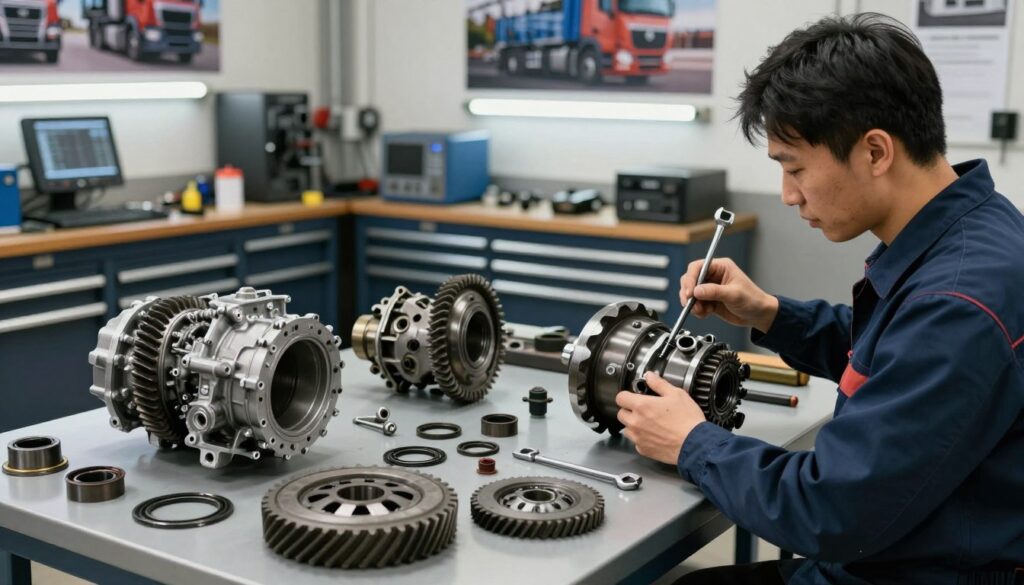
Fluid Flush and Replacement
A fluid flush is often the first step in truck maintenance. It gets rid of old, dirty fluid and puts in new, clean lubricant. This makes shifting smoother.
- Removes harmful debris and metal shavings.
- Restores proper hydraulic pressure within the system.
- Prevents further wear on internal components.
Clutch Replacement Costs
If the problem is just with the clutch, replacing it can be cheaper. This repair only changes the worn-out parts, not the whole thing.
The cost depends on your truck’s make and model. We suggest using high-quality parts for a long-lasting fix.
Complete Transmission Overhaul
A transmission overhaul is the most thorough fix. Technicians take everything apart to check, clean, and replace any damaged parts.
“A full rebuild is often a cost-effective middle ground where only damaged parts are replaced, whereas a full replacement offers the highest reliability.”
| Repair Type | Complexity | Cost Level | Best For |
|---|---|---|---|
| Fluid Flush | Low | Budget-Friendly | Preventative Care |
| Clutch Swap | Medium | Moderate | Specific Wear |
| Full Overhaul | High | Significant | Total Failure |
Deciding between these options means balancing your budget and how long you want your truck to last. Talking to a specialist can help figure out the best transmission overhaul or repair for you.
DIY vs. Professional Repairs
Working on your car can be fun, but fixing the transmission is different. Some small jobs are okay at home, but modern transmissions are complex. It’s important to weigh the cost savings against the truck transmission repair costs when deciding.
Benefits of Hiring a Professional
Certified mechanics have lots of experience and special tools. They ensure your car is fixed right, giving you peace of mind. They can find problems that you might miss.
Also, pros offer a comprehensive warranty on parts and labor. This means you’re protected from future costs. Even though it costs more upfront, the long-term benefits are worth it.
Simple DIY Checks
It’s good to check your car regularly. Look at the transmission fluid level and color. If it’s dark or smells bad, get a pro to look at it.
Be safe when checking your car. Use jack stands and follow the manual. Simple checks are helpful, but big repairs need experts. If unsure, trust the experts to do the job.
Choosing the Right Mechanic
Finding the right mechanic is key to keeping your truck in top shape. It’s important to look for someone who knows your truck model inside out. When you need transmission repair estimates, choose a shop that’s transparent and has the right skills.
What to Look for in a Transmission Specialist
A good specialist should have certifications from places like the National Institute for Automotive Service Excellence (ASE). These show they’ve passed tough tests on complex systems. Make sure they have experience with your truck’s make and model.
Experienced mechanics give better transmission repair estimates because they’ve seen similar problems before. They can tell you if a fix is simple or if it needs a big overhaul. Always ask about the warranty they offer on their work and parts.
Importance of Customer Reviews
Reading online reviews is a must to check a shop’s reputation. Look for patterns in feedback, like praise for clear communication or complaints about hidden fees. Shops that care about their customers will address concerns openly and keep a high rating.
Good shops are happy to give references or explain their prices clearly. When comparing transmission repair estimates, remember the cheapest isn’t always the best. Choose mechanics who give detailed, written estimates to avoid surprise costs.
| Shop Type | Expertise Level | Pricing Transparency | Best For |
|---|---|---|---|
| Dealership | High (Brand Specific) | Standardized | Warranty Repairs |
| Independent Shop | Variable | Negotiable | General Maintenance |
| Transmission Specialist | Very High | Detailed Estimates | Complex Overhauls |
Maintenance Tips for Preventing Slipping
We think that regular maintenance is key to a truck’s long life. By being proactive, you can avoid big problems and keep your truck running well. Simple habits can stop small issues from becoming big costs.
Regular Fluid Checks
Transmission fluid keeps your truck’s parts running smoothly. Check the fluid levels every month. If the fluid is dark or smells bad, it’s time for a check-up.
Clear, red fluid means your truck is healthy. If you see problems, learn about transmission slipping on acceleration symptoms. Consistency is key to keep your truck in good shape.
Scheduled Maintenance Recommendations
Stick to the manufacturer’s service schedule to protect your truck. These guidelines help prevent damage. Skipping these services can harm your truck’s gears and seals.
Your driving habits also affect your truck’s health. Here are some tips to keep your truck running well:
- Avoid aggressive acceleration, which creates excessive heat and pressure.
- Do not exceed your truck’s maximum towing or payload capacity.
- Allow your engine and transmission to warm up properly in cold weather.
- Use the correct type of transmission fluid specified in your owner’s manual.
By following these truck transmission troubleshooting tips, your truck will last longer. Taking care of your truck now saves you from future headaches.
Transmission Warranty Considerations
Dealing with vehicle protection plans is key when you face transmission problems. Repair costs can be high, so checking your coverage is vital before any big repairs. Proper documentation can help avoid big expenses.
Manufacturer Coverage Provisions
New trucks usually have a powertrain warranty that covers the transmission for a few years or miles. This warranty is meant to protect you from defects in materials or workmanship. Always review your owner’s manual to know your warranty details.
To keep your warranty valid, follow the manufacturer’s service schedule. Keeping a log of maintenance is important. Without proof of regular maintenance, your claim might be denied, even if the problem is real.
Extended Warranty Benefits
Extended warranties offer extra protection after your factory warranty ends. They help cover the costs of big transmission repairs or replacements. Investing in a reputable plan can save you from unexpected expenses.
When looking at extended warranties, check what parts are covered. Some plans only cover internal parts, while others include sensors, solenoids, and electronics. The table below shows the main differences to help you choose.
| Coverage Type | Primary Focus | Typical Inclusions | Best For |
|---|---|---|---|
| Factory Powertrain | Manufacturing Defects | Gears, shafts, and housing | New truck owners |
| Basic Extended | Major Mechanical | Internal lubricated parts | High-mileage vehicles |
| Comprehensive | Total System | Sensors, solenoids, and electronics | Modern, tech-heavy trucks |
Real Customer Experiences
Many truck owners find that regular maintenance affects repair costs and stress. Those who care for their trucks often avoid big repairs. Ignoring small issues can lead to expensive problems.
Case Studies of Transmission Repairs
A fleet manager of a Ford F-250 followed a strict maintenance schedule. This extended his transmission’s life far beyond what was expected. When a solenoid issue arose at 150,000 miles, the fix was simple and cheap.
On the other hand, another owner ignored signs of slipping for months. This caused serious damage to the clutch packs and torque converter. By then, a full overhaul was needed, not just a simple fix. You can learn more about these financial impacts by reviewing our transmission repair cost guide 2026 to understand how timing affects your wallet.
Testimonials from Truck Owners
Drivers often talk about the importance of early problem detection. They say catching issues early is key to keeping their trucks running long. Here are some common points they make:
- Early detection saves thousands of dollars in long-term labor costs.
- Professional inspections provide peace of mind before embarking on long hauls.
- Regular fluid analysis acts as an early warning system for internal wear.
- Choosing a specialized shop often results in a more accurate and durable fix.
One owner said, “I thought the slipping was just a quirk of an older truck, but addressing it immediately saved me from a total breakdown on the highway.” Many agree that preventative maintenance is much cheaper than emergency repairs. We urge every truck owner to listen to their vehicle and act before a small issue turns into a big problem.
Conclusion and Next Steps
Your truck is key for work and travel. Keeping it in good shape means watching for small changes in how it runs.
Prioritizing Early Detection
Not noticing small changes can lead to big, costly problems. Watch for any signs of truck transmission issues. Catching them early saves money and keeps your truck running.
Taking Proactive Steps
Getting a professional to check your truck can spot problems early. Matt’s Automotive Service Center has 10 locations in Minnesota and North Dakota. Call 701-478-3838 to book a detailed check-up.
Knowing what your truck needs helps avoid big repair bills. Regular maintenance means it will run well for years.
FAQ
What are the most common transmission slipping symptoms we should look for?
Look for sudden RPM spikes without speed gain, or a delay in gear engagement. Other signs include a “shuddering” sensation during shifts or the truck popping into neutral while driving.
What are the average repair costs for trucks with transmission failure?
Repair costs vary by truck model. For popular models like the Ford F-150 or RAM 1500, costs range from ,500 for a partial rebuild to ,500 for a new unit. Costs include parts and labor for removal and installation.
Can low fluid levels cause truck transmission issues?
Yes, low fluid is a common cause. It prevents the system from generating the hydraulic pressure needed for gear engagement, leading to slipping and harsh shifting.
How do clutch slipping symptoms differ in manual vs. automatic trucks?
In manual trucks, symptoms include a high pedal release or burnt friction material smell. In automatics, slipping is often due to worn clutch packs or a faulty solenoid.
Is it possible to perform truck transmission troubleshooting at home?
Basic checks like fluid level and color can be done at home. But, complex issues often require professional diagnostic tools to identify.
Why is a transmission repair estimate for a truck so labor-intensive?
Trucks have heavy-duty components that take time to disassemble. Labor for a complete overhaul can take 8 to 14 hours, affecting the total cost.
Will a fluid flush fix transmission slipping symptoms?
A fluid flush might help if slipping is due to old fluid or debris. But, if there’s physical damage, a flush won’t solve the problem and could make it worse.

Hello! I’m Moheen Iftikhar, the founder of «CarMotivei». I’m dedicated to covering modern automotive trends, new car technologies, and useful driving insights to keep car lovers updated and motivated. Here, you’ll find detailed car reviews, expert automotive content, and helpful tips for drivers and enthusiasts alike.