


Salvage Title Cars: Insurance Options and Safety Inspection Requirements
Buying a car that was once totaled can save you a lot of money. But, it’s important to know the legal rules for these cars. We’ll guide you through the risks before you buy.
Looking into buying salvage title cars insurance is a big task. Many insurance companies don’t cover these cars well. So, it’s key to look into policies early. You might also want to check out best used SUVs under 15000 dollars for a good family car.
Our guide will help you understand how to handle these cars. We aim to help you find a balance between saving money and doing your homework. By following our tips, you can find the right insurance for your salvage title car.
Key Takeaways
- Total loss vehicles offer lower purchase prices but carry higher long-term risks.
- Securing coverage for rebuilt vehicles is often hard and pricey.
- A professional pre-purchase check is key to find hidden damage.
- State checks are needed to make sure the car is safe to drive.
- Always check the car’s history to avoid buying a flood-damaged or stolen car.
Understanding Salvage Title Cars
A salvage title is a permanent record of a vehicle’s past. It shows the car was once considered a total loss by an insurance company. This label means the car’s life changed significantly.
These cars get this title after big accidents, floods, or fires. They are not legally roadworthy because of damage to their structure or electronics. It’s important to be careful when looking at these cars, considering the airbag replacement cost and safety after an accident.
What is a Salvage Title?
A salvage title is a legal document that warns buyers and authorities about a car’s damage. It’s a financial and safety warning that the car was once a total loss. This label affects the car’s resale value and insurability.
But, a salvage title doesn’t mean a car is doomed. It just means the car needs a full restoration to be road-ready again. Without this, the car can only be used for parts or scrap.
How Are Salvage Titles Issued?
The process starts when an insurance company decides fixing a damaged car is too expensive. After settling the claim, the insurance company gets the car and applies for a salvage title. This removes the car from regular registration.
To become road-legal again, the car must go through a detailed rebuilding process. Technicians fix the damage and replace major parts to meet safety standards. The car then needs a mandatory state inspection to ensure it’s safe to drive.
The Importance of Insurance for Salvage Title Cars
Protecting your investment means knowing that salvage title car insurance coverage is key. It’s not just about the car’s condition. Getting a policy is essential for your peace of mind. Before buying, use a pre-purchase inspection checklist to check if the car is safe to drive.

Why You Need Insurance
Insurance is more than just a financial safety net; it’s a legal must for driving on public roads. Most states require liability insurance to register your car. Without it, you can’t legally drive, even if the car is fixed.
Salvage title car insurance coverage also protects you from unexpected costs. While you might get liability insurance for a rebuilt car, getting full coverage is harder. Make sure to check your insurance status right after the title is branded to avoid gaps in coverage.
Risks of Driving Without Coverage
Driving without insurance puts you at risk for huge financial losses and legal trouble if you’re in an accident. If you’re at fault, you could face huge bills for damages and medical costs. This can lead to devastating financial consequences that are much worse than the cost of insurance.
There’s also the risk of having your car taken away or facing heavy fines during traffic stops. Police need proof of insurance, and without it, you could face legal problems right away. Here’s a table showing the main risks for owners of rebuilt vehicles.
| Risk Factor | Standard Vehicle | Salvage Title Vehicle |
|---|---|---|
| Legal Compliance | Standard Requirements | Strict Documentation Needed |
| Financial Liability | Covered by Policy | High Personal Exposure |
| Coverage Availability | Widely Available | Limited to Specific Providers |
| Repair Reimbursement | Full Market Value | Often Capped or Denied |
Types of Insurance Available for Salvage Title Vehicles
Getting insurance for a car with a salvage title can be tough. Salvage title cars insurance options are limited because standard companies are wary. They find it hard to figure out the car’s value after repairs.

Liability Insurance Options
In most places, you need at least some liability insurance to drive legally. Getting this basic coverage is usually easy, even for salvage title cars. Liability insurance helps pay for damage or injuries you might cause to others.
This type of insurance is seen as less risky because it doesn’t cover your car’s repairs. So, getting it first is a good idea. It keeps you legal and protects your money from lawsuits.
Comprehensive and Collision Coverage
Getting coverage for accidents or damage is harder with a salvage title. These policies help pay for repairs after accidents or other damage. But, insurers find it hard to know the car’s true value and safety after repairs.
“The primary hurdle for owners of rebuilt vehicles is the lack of standardized data regarding the quality of the post-accident restoration process.”
If you can find a company that offers these policies, expect to pay more. They might also limit how much they’ll pay out. They might ask for an expert to check if the car is safe before they agree to insure it.
Specialty Insurance Providers
When big companies say no, look for salvage car title insurance providers. These companies deal with high-risk vehicles and might say yes. They know the salvage market well and can offer special plans for your car.
| Coverage Type | Availability | Primary Benefit |
|---|---|---|
| Liability | High | Legal compliance |
| Collision | Low | Repair cost coverage |
| Comprehensive | Low | Theft and damage protection |
| Specialty | Moderate | Customized risk assessment |
Working with these companies might take more effort. But, it’s a good way to get full coverage. Always compare prices from different companies to find the best deal for your situation.
Factors Influencing Insurance Premiums
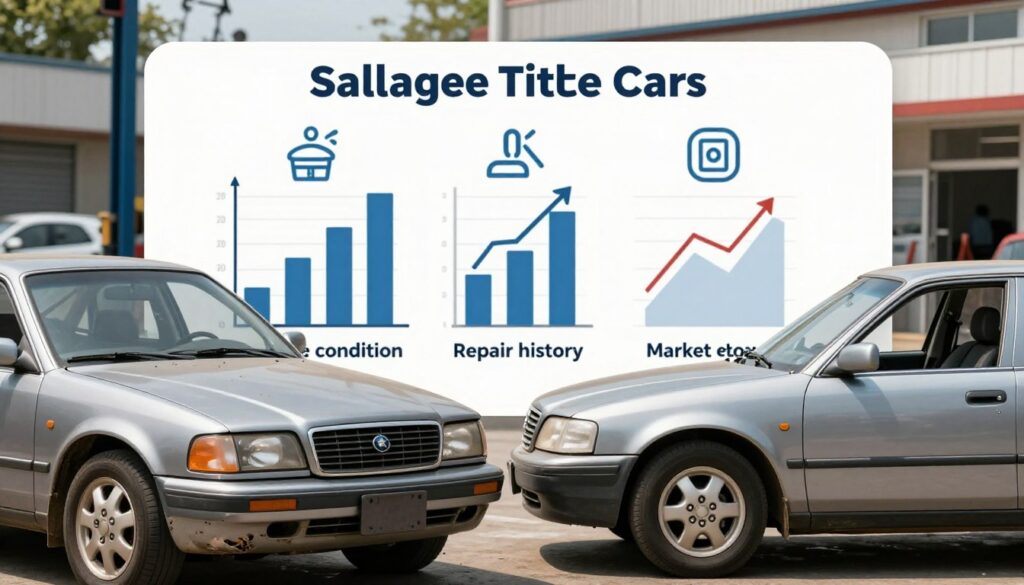
Insurance companies have their own way of figuring out the risk of rebuilt vehicles. They look at the car’s past damage and its current value. Knowing these factors helps you understand the cost of owning a rebuilt car.
Vehicle Make and Model
The make and model of your car affect your insurance rates. Insurers check how easy it is to find parts and how much repairs cost. If your car is rare or parts are expensive, it might cost more to insure.
It’s a good idea to check for any recalls before getting insurance. You can use your vehicle ID to do this. Checking for recalls shows the car is safe. This can help you get better insurance rates.
Age of the Vehicle
The age of your car affects its value and insurance rates. Cars with salvage titles are worth less, so insurance payouts are lower. This means you might pay less for insurance compared to newer cars.
- Older vehicles often have lower replacement costs.
- Depreciation curves for salvage cars are steeper than standard models.
- Insurers may limit coverage types for vehicles exceeding a certain age.
Safety Features and Modifications
The quality of the rebuild and safety features matter a lot to insurers. If your car has been fixed well and has modern safety tech, you might get better rates. But, bad repairs or mods can raise your premiums or even deny coverage.
Insurers focus on the car’s safety first. They check if it meets today’s safety standards despite its past damage. Keep records of all repairs and upgrades to show your car is safe.
Safety Inspection Requirements for Salvage Title Cars
We must ensure that every salvage title car meets strict safety standards before it returns to the highway. Transitioning a vehicle from a damaged status to a road-legal machine requires a rigorous salvage title vehicle safety inspection. This process serves as the final gatekeeper to confirm that your repairs have restored the vehicle to a safe operating condition.

Overview of State Regulations
Each state has its own rules for salvage title vehicle inspection process. Some focus on verifying parts to prevent theft, while others check the vehicle’s structure. You should always check with your local Department of Motor Vehicles to understand the specific salvage title car safety requirements in your area.
Following these rules is not optional; it’s required to get a rebuilt title. If you don’t meet these standards, your registration application will be denied. We recommend documenting every repair made during the restoration to provide clear evidence of your work to the inspector.
Common Inspection Components
Inspectors use a checklist to evaluate your vehicle’s roadworthiness. They check if critical systems have been restored to factory specifications. The following table outlines the primary areas that typically undergo scrutiny during the salvage title vehicle inspection process.
| Inspection Area | Key Focus | Safety Goal |
|---|---|---|
| Lighting Systems | Headlights, turn signals, brake lights | Visibility and signaling |
| Braking System | Pad thickness, rotor condition, lines | Stopping power and control |
| Steering & Suspension | Alignment, tie rods, struts | Handling and stability |
| Structural Integrity | Frame rails, crumple zones | Crashworthiness and safety |
Beyond mechanical checks, inspectors verify safety features like airbags and seatbelts. Meeting these salvage title car safety requirements ensures your vehicle is legal and safe. By preparing well for your salvage title vehicle safety inspection, you boost your chances of approval on the first try.
Preparing Your Salvage Title Car for Inspection
Getting ready for a salvage title car inspection checklist can seem tough at first. But, by following a step-by-step plan, you can make sure your car meets all safety standards. This way, you avoid failing the inspection and save time.
Documentation You’ll Need
Before you go to the inspection station, collect all the needed papers. These papers show you’ve fixed your car the right way. You can learn more about the 4 must-have documents for salvage inspection to make sure you have everything.
You’ll need repair estimates, receipts for big parts, and mechanic certifications. These prove your car is safe to drive. Always keep copies of every transaction for the inspector.
Recommended Repairs and Upgrades
Doing some extra maintenance can make your car more reliable. A good salvage title vehicle safety inspection checks the car’s structure and safety systems. Fixing these early on will help you pass the test with confidence.
The table below shows important parts to check and possibly upgrade before your inspection:
| Component | Action Required | Priority Level |
|---|---|---|
| Airbag System | Professional diagnostic check | Critical |
| Braking System | Pad and rotor inspection | High |
| Lighting/Signals | Verify all bulbs function | Medium |
| Frame Alignment | Certified structural check | Critical |
By focusing on these areas, you boost your chances of passing. Spending time on these repairs now saves you trouble later. A well-prepared car is safer for everyone.
Understanding the Inspection Process
We guide you through the formal assessment phase to demystify what happens at the testing facility. This evaluation is the last step to ensure vehicles are safe for the road. By meeting these salvage title car safety requirements, you prove your vehicle is ready for the road.
Steps Involved in the Safety Inspection
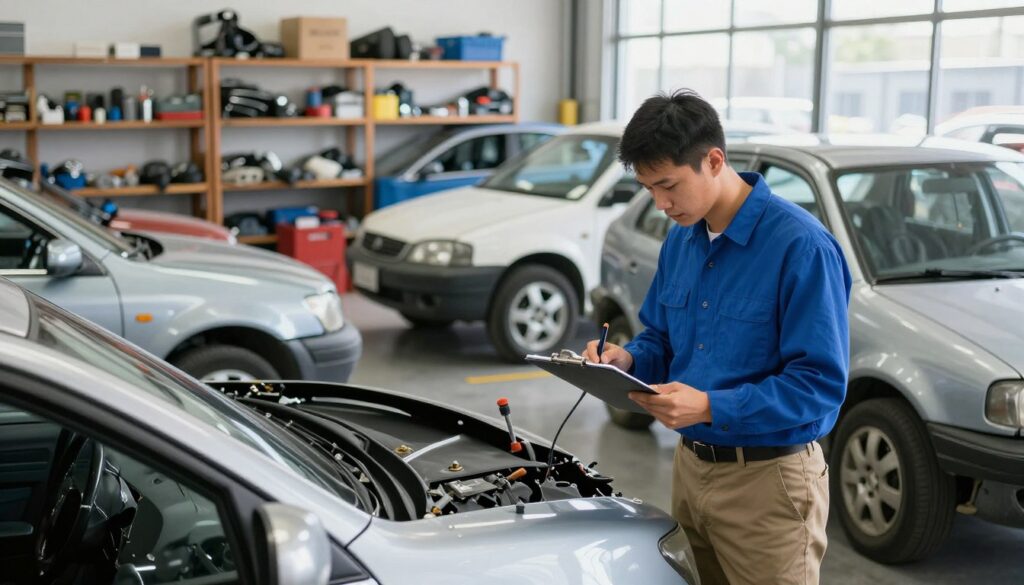
The salvage title vehicle inspection process starts with a detailed review of your paperwork. You need to show all receipts for major parts and proof of ownership. After verifying the documents, the technician checks the vehicle’s structure.
The inspector checks if the vehicle identification number (VIN) matches your records. They also verify that all replaced parts are genuine and correctly installed. This ensures no stolen parts were used during repairs.
What Inspectors Look For
When you arrive for your appointment, it’s helpful to have a salvage title car inspection checklist ready. Inspectors check if all necessary parts are present and if the vehicle meets safety standards. They focus on systems that affect your ability to drive safely.
Inspectors examine several key areas, including:
- Lighting systems: All headlights, taillights, and turn signals must work correctly.
- Braking performance: The system must stop the vehicle effectively and show no leaks.
- Structural integrity: The frame must be without major damage or improper welding.
- Safety restraints: Seatbelts and airbags must work and be installed correctly.
- Tire condition: Tires must have enough tread for safe driving.
Consistency is vital in this assessment. If a component doesn’t meet state standards, you may need to fix it before retesting. Focusing on these key safety elements helps you pass the inspection the first time.
How to Find Insurance Providers for Salvage Cars
When you own a rebuilt car, finding the right insurance is key. Coverage options differ a lot between companies. So, it’s smart to look for salvage car title insurance providers that go beyond the usual.
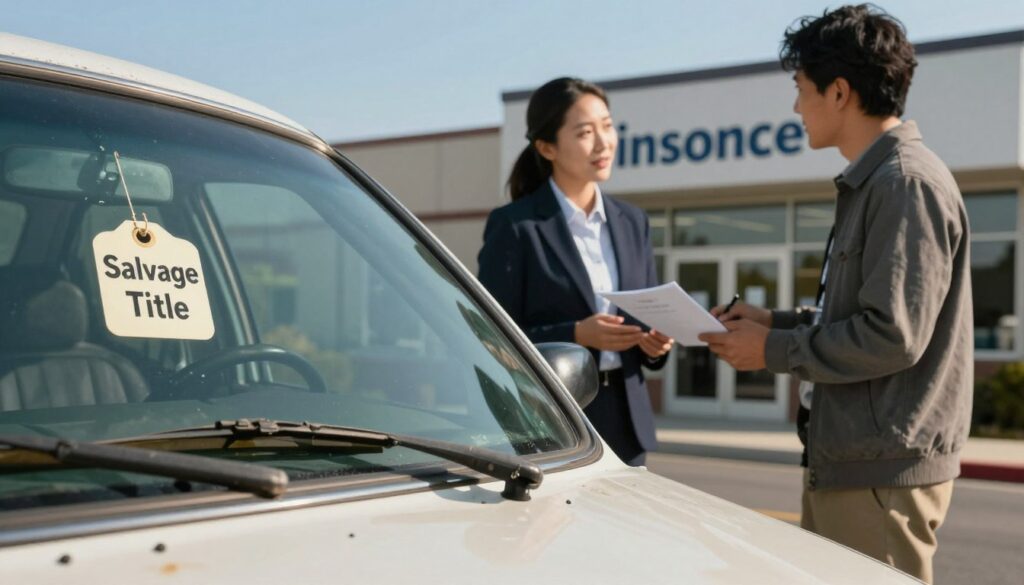
Researching Insurance Options
Talk to an independent insurance agent. They can help you find the right company. They know which ones work with cars that have been rebuilt.
Insurance for rebuilt vehicles is not a one-size-fits-all product; it requires a deep understanding of the specific state regulations and the quality of the repairs performed.
Comparing Quotes and Coverage
After getting a list of insurers, check each policy carefully. Make sure you know what salvage title car insurance coverage they offer. Some might only cover liability. Learn more about what car insurance companies cover salvage to help your search.
Compare the costs and what each policy covers. This way, you find the best deal and make sure you’re fully protected. Here’s a table showing what’s usually covered for these vehicles.
| Coverage Type | Availability | Primary Benefit |
|---|---|---|
| Liability Only | High | Meets legal requirements |
| Comprehensive | Moderate | Protects against theft/weather |
| Collision | Low | Covers accident damage |
| Specialty Policy | Variable | Tailored for rebuilt status |
Focus on what you need to find the right salvage car title insurance providers. Getting quotes from several companies helps you find the best deal for your rebuilt vehicle.
Common Challenges with Salvage Title Insurance
Many drivers find it hard to get insurance for a salvage title car. Moving from a clean title to a rebuilt one enters a special market. Here, usual rules don’t apply. It’s important to know that salvaged title car insurance policies aren’t easy to find with big carriers.
Difficulty in Obtaining Coverage
Big insurance companies often don’t want to cover these cars. They worry about old damage and new problems. This makes it hard for them to know the car’s true risk.
Some companies only offer basic liability coverage. For better protection, you might need to look at specialized insurance for rebuilt or salvage titles. Persistence is key when searching for these policies, as choices vary a lot.
Higher Premiums and Limitations
Expect to pay more for your coverage. Insurers charge more because they’re unsure about the car’s future. Also, coverage limits are often lower than for clean-title cars, leaving you at risk in a total loss.
“Insuring a vehicle with a salvage history requires a clear understanding of the gap between market value and actual repair quality. Always prioritize transparency with your agent to ensure your policy reflects the true state of your car.”
To see the differences, here’s a comparison of standard and salvage title policies.
| Feature | Standard Title | Salvage/Rebuilt Title |
|---|---|---|
| Premium Costs | Market Standard | Often Higher |
| Coverage Scope | Full Comprehensiv | Usually Limited |
| Payout Potentia | Actual Cash Value | Restricted/Capped |
| Provider Availability | High | Low/Specialized |
Managing your expectations is key. Research salvaged title car insurance policies early. This helps you plan your budget and avoid surprises after buying.
Tips for Buyers of Salvage Title Vehicles
Buying a reliable vehicle needs careful planning and understanding risks. Always be transparent and do thorough research before buying.
Essential Pre-Purchase Evaluations
Get a trusted mechanic to check the vehicle before you buy. They can spot hidden problems or damage. Also, check the vehicle history report and repair documents to know the car’s full history.
Navigating Insurance Requirements
Getting Salvaged title car insurance policies means talking to your provider. Ask about coverage limits, deductibles, and what kind of coverage they offer. Knowing this early can avoid surprises.
When buying salvage title cars insurance, show repair invoices and safety reports. Being open about the vehicle’s condition helps your relationship with the insurer. This way, you protect your investment and keep your vehicle safe on the road.
FAQ
What is a Salvage Title?
A salvage title is a legal document from a state’s DMV. It’s given when a vehicle is declared a total loss by an insurance company. This usually happens after the vehicle gets severe damage, like over 70% to 90% of its value, from accidents, floods, or fires.
This title means the vehicle is not safe to drive on public roads. It’s not considered roadworthy.
How Are Salvage Titles Issued?
A salvage title is given after an insurance company decides repairs are too expensive. When the insurance pays out, the “clean” title is exchanged for a salvage title. This title warns future buyers and insurers about the car’s past damage.
Why You Need Insurance
Insurance is not just a financial safety net. It’s also a legal requirement for any vehicle on public roads. Even rebuilt vehicles need at least a minimum liability policy. Insurance protects you from huge financial losses in accidents.
Risks of Driving Without Coverage
Driving without insurance is risky. You could face penalties like license suspension and vehicle impoundment. If you cause an accident, you’ll be personally responsible for all costs. Without insurance, you can’t register the vehicle, making your repair work useless.
Liability Insurance Options
Liability insurance is the most common and accessible for rebuilt vehicles. Major carriers like GEICO and Progressive offer liability-only policies. These plans cover damages to others, not the vehicle itself. This is a good starting point for owners who have passed the salvage title inspection.
Comprehensive and Collision Coverage
Getting full coverage for a rebuilt vehicle is tough. Insurers find it hard to tell old damage from new. Some may offer these options if you provide a certified appraisal of the vehicle’s value and condition.
Specialty Insurance Providers
For those turned down by national carriers, specialty providers like Hagerty or Grundy are worth exploring. They often handle unique vehicles and may offer more flexible policies. They use an “agreed value” model, providing more certainty for owners.
Vehicle Make and Model
The original market value of the vehicle affects premiums. Luxury brands like BMW or Lexus often have higher premiums due to expensive parts. Insurers consider the risks and quality of repairs when setting rates.
Age of the Vehicle
The vehicle’s age impacts insurance options. Older cars may be easier to insure for liability but have lower values. Newer salvage vehicles are riskier for insurers, as hidden issues may appear later.
Safety Features and Modifications
Modern safety features can lower insurance rates. If a rebuilt vehicle has updated safety systems, insurers may offer better rates. High-quality modifications by certified technicians also help prove the vehicle’s safety.
Overview of State Regulations
Each state has strict safety rules for salvage title cars. While rules vary, the goal is the same: ensure the vehicle is safe. These rules are the last step before a car gets a “rebuilt” title.
Common Inspection Components
Inspectors check the car’s structure, safety systems, and mechanics during the inspection. They ensure the car meets safety standards before it’s allowed back on roads.
Documentation You’ll Need
Documentation is key for a successful inspection. You’ll need a detailed folder with the salvage title, receipts for parts, and photos of damage before repair. Many states also require a statement of facts about the repairs.
Recommended Repairs and Upgrades
Proactive maintenance is important for a smooth inspection. This includes brake pad replacement, checking lights, and ensuring the Check Engine Light is off. Use high-quality parts from reputable retailers to ensure the restoration lasts.
Steps Involved in the Safety Inspection
The inspection starts with an appointment at a state facility or a licensed station. You arrive with your vehicle on a trailer and submit your paperwork. The inspector then checks the vehicle’s alignment and structure using specialized equipment.
What Inspectors Look For
Inspectors look for signs of poor repairs or stolen parts. They check VINs on replaced parts to ensure they match the receipts. Their goal is to verify the vehicle’s safety and prevent the trade of stolen parts.
Researching Insurance Options
Start by checking with your current provider, like Farmers Insurance or Liberty Mutual, for rebuilt title policies. If they decline, look for independent agents who can find policies from multiple providers.
Comparing Quotes and Coverage
Prices for salvage title insurance vary widely. Get at least three quotes. Look beyond the monthly premium to the payout cap. Insurers often limit payouts to 50% or 60% of the clean-title value.
Difficulty in Obtaining Coverage
Many standard insurers refuse to cover rebuilt vehicles beyond basic liability. They see these vehicles as high-risk due to hidden damage. Flood damage is a particular concern, as electrical issues can be hard to fix.
Higher Premiums and Limitations
Premiums for salvage title insurance are often 20% to 30% higher than for clean-title vehicles. This reflects the increased risk. Many policies also have strict limitations, excluding coverage for custom paint or aftermarket systems.
What to Look for Before Buying
Before buying, do your homework on the vehicle. Hire a mechanic from YourMechanic for a pre-purchase inspection. Check for uneven tire wear, mismatched paint, and body panel gaps, which may indicate poor repairs.
Questions to Ask Insurance Providers
Ask your agent if they cover rebuilt titles and how payouts are determined. Knowing this upfront helps avoid being underinsured. Also, ask if a safety certification from AAA can lower your annual premium.
What are the primary salvage title cars insurance options available to owners?
The most common options are liability-only policies from major carriers like GEICO or Progressive. For more coverage, consider specialty providers like Hagerty, which offer policies based on the vehicle’s agreed value.
What happens during a salvage title vehicle safety inspection?
Inspectors examine the car’s structure, safety systems, and mechanics during the inspection. They ensure the vehicle meets safety standards before it’s allowed back on roads.
Can you provide a salvage title car inspection checklist for preparation?
Yes. Our recommended checklist includes gathering all receipts for replaced parts, ensuring VINs match, verifying lights and signals, and confirming the frame was straightened to manufacturer specs.
Why is salvage title car insurance coverage often more expensive?
Premiums are higher because insurers view rebuilt vehicles as riskier. There may be hidden damage that could lead to future claims. It’s hard for insurers to distinguish between old and new damage in accidents.
Which companies are considered reliable salvage car title insurance providers?
While many national brands offer basic liability, consider specialty providers like The Hartford or Kemper. They are often more experienced in evaluating rebuilt vehicles and may offer more flexible policies.
What should I consider before buying salvage title cars insurance?
Before buying, confirm your provider covers rebuilt titles. Ask about payout limits, as many policies only cover a fraction of the vehicle’s value. Always have a pre-purchase inspection done by a professional to ensure insurability.
Are there specific salvage title car safety requirements for the frame and airbags?
Yes. Almost every state requires new, functional airbags and a straight frame for safety. These requirements ensure the vehicle can protect occupants in future collisions.

Hello! I’m Moheen Iftikhar, the founder of «CarMotivei». I’m dedicated to covering modern automotive trends, new car technologies, and useful driving insights to keep car lovers updated and motivated. Here, you’ll find detailed car reviews, expert automotive content, and helpful tips for drivers and enthusiasts alike.