



Regenerative Braking Systems: How They Save Brake Pads on Hybrid Vehicles
Remember the hassle of frequent trips to the mechanic? Driving in busy cities can feel like a never-ending battle for your car’s health. But, thanks to innovative transportation, our daily drives are getting a lot better.
Today’s hybrid vehicles use cutting-edge tech to change how we travel. They capture energy that used to be lost, making our commutes smarter. At the heart of this change are regenerative braking systems.
This smart design does more than just save gas. It also helps save brake pads, which is a big win for car owners. By understanding how it works, we see the real value of our vehicles. Let’s dive into why this feature is now a must-have in cars.
Key Takeaways
- Advanced energy capture reduces physical wear on friction components.
- Drivers experience fewer maintenance appointments over the life of the car.
- Smart technology converts kinetic energy back into electrical power.
- Lower replacement costs provide significant financial benefits for owners.
- This innovation represents a major shift toward sustainable automotive design.
What Are Regenerative Braking Systems?
Regenerative braking is a big step in how we use energy on the road. These energy recovery systems change how hybrid cars use power when slowing down. Instead of losing energy as heat, they make sure every stop helps your drive.
Definition and Functionality
Regenerative braking captures energy lost when slowing down. In regular cars, brakes turn this into heat that goes away. But our hybrid cars use energy recovery systems to turn the electric motor into a generator.
When you take your foot off the gas, the motor stops the wheels. This makes electricity, which goes back to the battery. If you see strange lights on your dashboard, knowing what they mean helps keep your system working well.
Components of Regenerative Braking
Several parts work together for this energy capture. The main part is the electric motor, which also acts as a generator when braking. It’s connected to the car’s drivetrain, capturing energy from the wheels.
The system also needs a smart power control unit to manage everything. This unit controls when to use the generator and how much power to send to the battery. The battery pack then stores this energy for when you need it next. These energy recovery systems are key for your hybrid car’s health and performance.
The Importance of Brake Pads in Hybrid Vehicles
Hybrid technology changes how we drive, but brake pads are always needed. They are a critical safety feature in all cars. They help us stop when we need to. Even when we talk about replacing hybrid batteries, we must remember the importance of brake pads.

Role of Brake Pads in Hybrid Systems
In hybrid vehicles, brake pads are key during emergency stops. They work with the electric motor to slow the car down. This makes sure our hybrid car brakes work well in different situations.
Brake pads turn kinetic energy into heat through friction. They press against the rotor to slow the wheels. This is key for control, like when we’re driving fast or suddenly stopping.
Why Brake Pads Wear Out
Brake pads wear out because of friction. Every time we press the brake, they get stressed and hot. This constant friction wears them down, needing them to be checked and replaced often.
Things like stop-and-go traffic, heavy cars, and driving hard can make brake pads thinner. Knowing this helps us see how new braking tech helps.
| Factor | Traditional Brakes | Hybrid System Brakes |
|---|---|---|
| Primary Wear Cause | High Friction | Reduced Friction |
| Heat Generation | High | Low to Moderate |
| Component Lifespan | Standard | Extended |
| Safety Priority | High | High |
How Regenerative Braking Works
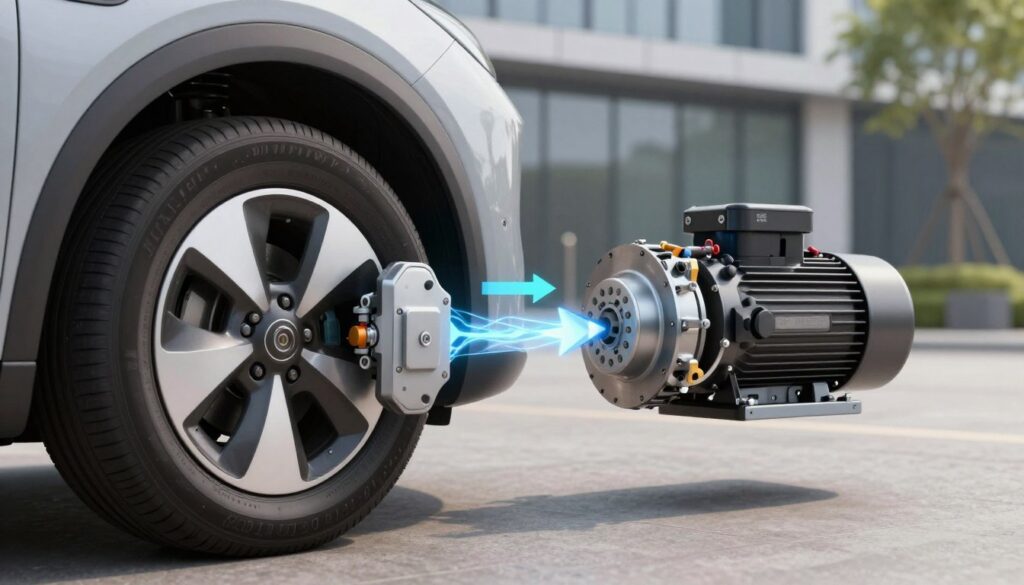
When you take your foot off the gas, something cool happens in your car. It doesn’t just coast; it uses its speed to make power. This is thanks to regenerative braking technology, which turns lost energy into something useful.
Energy Conversion Process
Normally, the electric motor uses battery power to move the car. But when you lift your foot off the gas, it changes. The motor becomes a generator.
As the car slows down, the wheels turn the motor. This creates a natural brake. It slows the car while turning the motor’s energy into electricity. This electricity goes back to the battery for later use.
Benefits for Electric and Hybrid Vehicles
This system makes hybrid vehicles more efficient. It captures energy when you slow down, so the car uses less gasoline. This means less fuel and less wear on the engine.
It also makes driving smoother. The car uses electric power to slow down, then traditional brakes. This makes your ride better and helps your car go further on a single charge. It’s all about making your daily drive more efficient.
Comparison: Traditional vs. Regenerative Braking
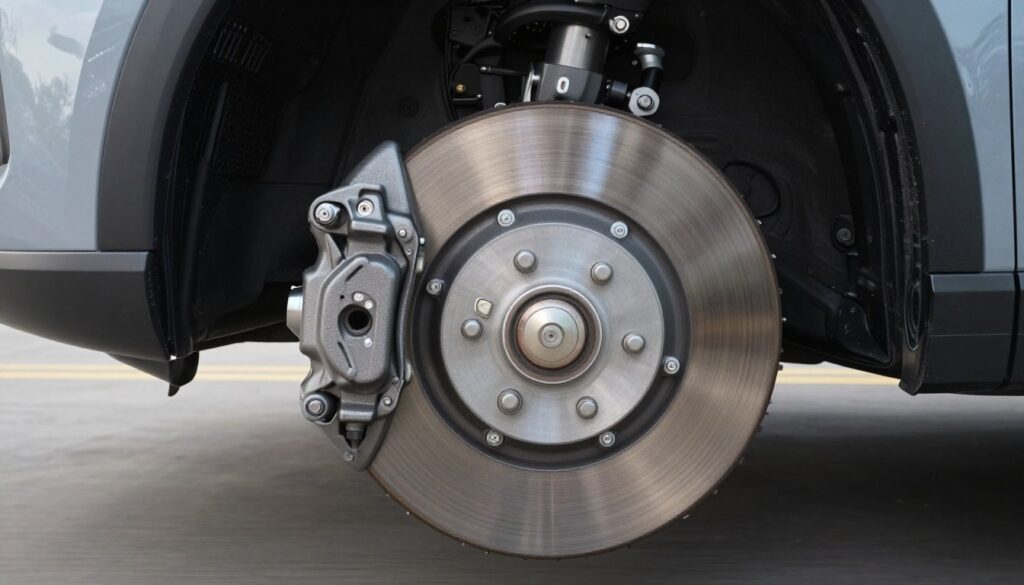
Looking at traditional hydraulic setups and regenerative technology, the benefits for hybrid car brakes owners are clear. Traditional systems use friction to turn kinetic energy into heat, which is lost. On the other hand, regenerative systems capture that energy to recharge the battery. This makes for a smarter way to slow down.
Efficiency and Performance
This technology boosts vehicle efficiency by a lot. Studies show hybrids can be 5-25% more efficient in city traffic by using energy again. This is really helpful in plug-in hybrid vehicles that can go the farthest on electric alone.
Brake Wear and Lifespan
Regenerative systems do most of the braking, so traditional brakes wear out less. This means hybrid car brakes get less hot and wear down slower than gas cars. So, they need less fixing and last longer.
| Feature | Traditional Braking | Regenerative Braking |
|---|---|---|
| Energy Usage | Dissipates as heat | Recovers as electricity |
| Component Wear | High friction wear | Minimal friction wear |
| Maintenance Needs | Frequent replacements | Extended intervals |
| Efficiency Gain | None | 5-25% in city traffic |
The Impact on Brake Pad Longevity
Driving a hybrid car can make your brakes last longer. This is thanks to effective regenerative braking in electric cars. It helps cut down on brake wear.
Reduced Friction and Heat
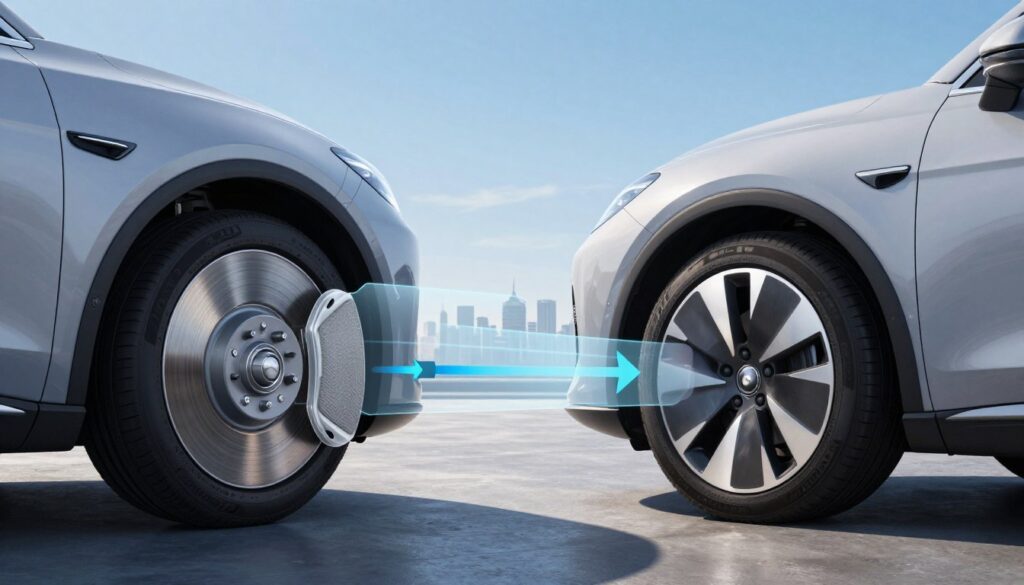
In regular cars, pressing the brake pedal causes friction pads to rub against rotors. This creates heat and stops the car. This heat is what wears down the parts over time.
In hybrids, the electric motor does most of the braking. This means the brake pads stay cool and last longer. This smart engineering keeps your brakes from overheating and failing early.
Extended Replacement Intervals
Hybrid cars often need less brake maintenance. This can save you money over time. The design means less physical contact, leading to longer brake pad life.
Here are some benefits of longer-lasting brake pads:
- Increased Durability: Many hybrids go up to 120,000 miles on their original pads.
- Lower Maintenance Costs: With fewer visits to the shop, you save money.
- Consistent Performance: Less heat means your brakes stay reliable for years.
The mix of advanced motors and design is great for owners. It makes your car more efficient and cost-effective for years.
Environmental Benefits of Regenerative Braking
Our daily commute has a big impact on the environment. By using sustainable braking solutions, we make our vehicles less harmful. These systems are a big step forward in managing energy and resources on the road.
Reduced Resource Demand for Brake Pads
Old braking systems wear down pads and rotors fast. This leads to a lot of manufacturing, shipping, and throwing away heavy metal. Regenerative systems make these parts last longer.
This means we need to make fewer parts. It saves energy by using less steel and iron. It also helps reduce waste, making vehicles more efficient.
Lowering Emissions and Waste
Regenerative braking saves parts and captures energy that would be lost as heat. This helps the engine work less, which lowers emissions. It’s a big win for the environment.
Using the engine less makes our vehicles more efficient. These sustainable braking solutions turn wasted energy into a cleaner drive. It’s a win for everyone.
The Role of Technology in Regenerative Braking
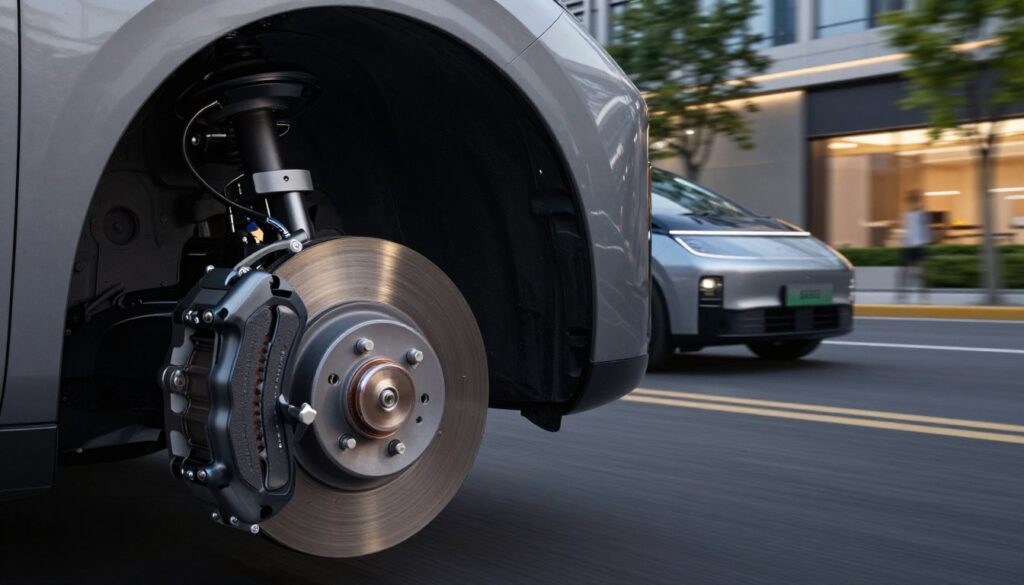
Digital integration is key in regenerative braking technology. Complex onboard computers manage energy capture and vehicle stability. They act as the car’s brain, processing data for efficient stops.
Advances in Hybrid Vehicle Design
Modern hybrids have advanced battery management systems. These systems watch energy flow in real-time. They stop energy recovery when the battery is full or in extreme temperatures.
This protects the battery from damage. It keeps the drivetrain reliable for a long time.
“The true genius of modern hybrid design lies in the seamless communication between the electric motor and the mechanical braking components.”
Innovations in Braking Technologies
There have been big advances in braking technology. New software allows for a seamless transition between electric and friction braking. This means drivers often can’t feel when the brake pads engage.
This precision is key for a safe and consistent drive. If you’re curious about how these systems work, check out what is regenerative braking in electric vehicles. It shows how software controls make driving efficient and green. The future of car safety relies on these tech advancements.
Real-World Examples of Hybrid Vehicles
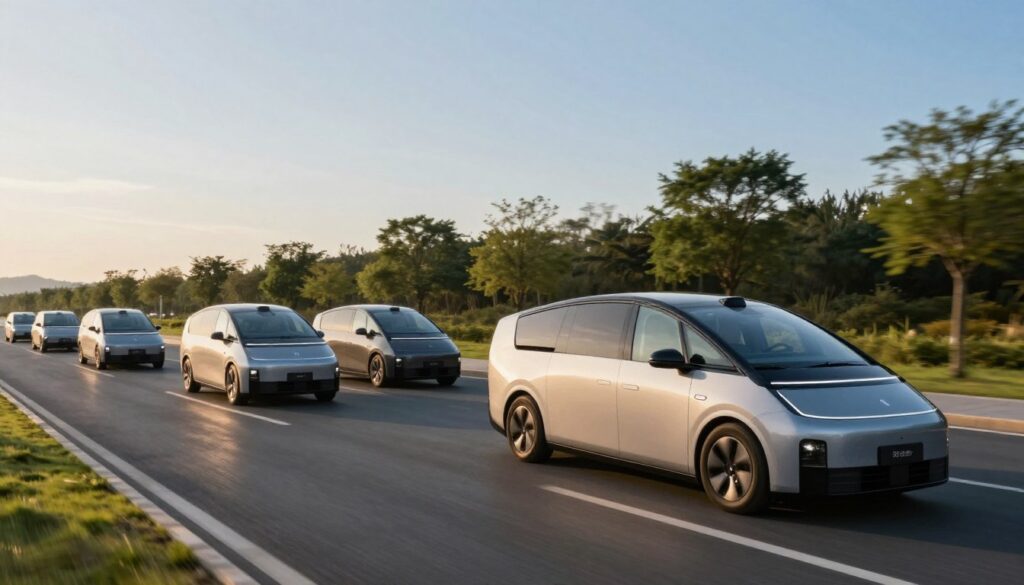
Looking at high-mileage fleets shows us how reliable modern brakes are. Drivers using hybrid vehicles right see less wear on brakes. This new tech is reducing brake wear in many driving situations.
Case Studies of Leading Brands
Urban taxi fleets show how durable these systems are. Many hybrid taxis in busy city traffic go over 100,000 miles on their original brake pads.
This long life is thanks to how these systems use the electric motor for braking. Top makers have made their software better. This lets the electric motor do most of the stopping. This engineering approach keeps the pads cool and ready for sudden stops.
User Testimonials and Experiences
Drivers say switching between regenerative and friction braking feels seamless. Modern systems mix these two so well that drivers don’t notice a difference in pedal feel.
Many hybrid car owners talk about saving money on maintenance. Using the electric motor to slow down means they don’t need brake replacements as often. Here are the main benefits they mention:
- Significant cost savings on routine maintenance and parts.
- More confidence in stop-and-go traffic in cities.
- A smoother, more controlled slowing down.
- Less brake dust on wheels, keeping the car cleaner.
These real-life examples show the real benefits of advanced braking. As car design gets better, focusing on reducing brake wear will keep being key. We think these technologies will keep leading the way for green and affordable travel.
Future Trends in Regenerative Braking Systems
Automotive engineers are working hard to make cars more efficient. They’re focusing on one-pedal driving modes. This lets drivers control speed with just a little pedal input.
These changes are big steps forward in energy recovery systems.
Expected Developments in Hybrid Technology
Companies like Toyota and Ford are making their cars even better. They’re working on software to capture more power at high speeds. This means cars can store energy more efficiently.
These improvements will make sustainable braking a common feature in all cars.
Potential for Broader Applications
This technology isn’t just for cars. It will also help heavy-duty trucks and commercial fleets save money. Using these systems in big vehicles will make the logistics industry greener.
We’d love to hear your thoughts on how these changes will affect your driving. As we move towards a cleaner future, it’s exciting to see what’s coming.
FAQ
How do regenerative braking systems contribute to brake pad savings?
Regenerative braking systems use the electric motor to slow the vehicle. This means the physical brake pads are used less often than in traditional cars. By using the motor for braking, we reduce wear and heat on the pads, making them last longer in hybrid cars.
Can regenerative braking technology work when the battery is completely full?
When the battery is full, the system can’t store more power. In this case, the car’s computer switches to traditional brakes to ensure safe stopping.
Does reducing brake wear through this technology affect stopping distance?
No, safety is always our top concern. Regenerative braking handles gradual slowing, but traditional brakes are ready for emergencies. Together, they ensure hybrid vehicles stop safely like conventional ones.
How does this system improve overall hybrid vehicle efficiency?
Using the motor to slow down recycles energy that would be lost as heat. This electricity is stored in the battery and reused, reducing fuel use. This makes hybrid vehicles more efficient.
Are sustainable braking solutions more expensive to maintain in the long run?
No, they are actually cheaper. Hybrid owners spend less on brake maintenance because the physical components wear less. While the tech is complex, it saves money in the long run.
What is “one-pedal driving” and how does it relate to energy recovery?
One-pedal driving is a feature in many hybrids and EVs. It makes the car slow down aggressively when you lift off the accelerator. This captures more energy and lets drivers stop without using the brake pedal often, saving brake pads.

Hello! I’m Moheen Iftikhar, the founder of «CarMotivei». I’m dedicated to covering modern automotive trends, new car technologies, and useful driving insights to keep car lovers updated and motivated. Here, you’ll find detailed car reviews, expert automotive content, and helpful tips for drivers and enthusiasts alike.