



Used Cars to Avoid Due to Known Engine and Transmission Issues
Buying a used car can save money, but it can also be a bad choice if you pick the wrong one. I remember my first car purchase, which quickly became a financial burden. My goal is to ensure you feel confident before you sign any purchase agreement.
In this guide, I will help you find the right car by pointing out models with known engine and transmission issues. It’s also important to check car safety ratings for modern family vehicles. This way, you can make a choice that keeps your family safe. By spotting these problems early, you can save money and avoid the hassle of frequent repairs. Let’s make sure your next car is a good investment.
Key Takeaways
- Research specific model years to identify common mechanical failures before buying.
- Prioritize vehicles with documented service histories to ensure long-term reliability.
- Understand that certain brands have recurring powertrain defects that lead to high repair costs.
- Always perform a pre-purchase inspection with a trusted mechanic to catch hidden problems.
- Balance your budget with the long-term cost of ownership to avoid financial strain.
Common Engine Problems in Used Cars
A shiny exterior can hide big mechanical issues under the hood. When looking at problematic used cars, it’s easy to overlook the engine. But, the engine’s health is key to your happiness with the car.
Overheating Issues
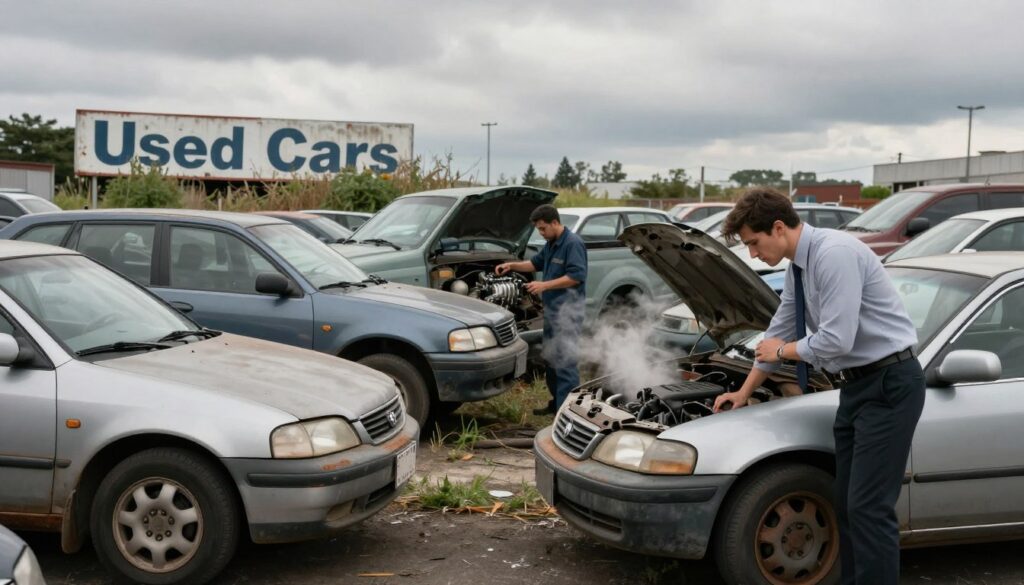
Overheating is a common problem I see. It usually comes from a bad cooling system, like a failing water pump or hidden leaks. If you see white smoke from the exhaust or a temperature gauge that’s all over the place, don’t buy it.
Ignoring these signs can cause serious damage, like warped cylinder heads or a blown head gasket. Fixing these problems is expensive and shows the car wasn’t well cared for. Always check the coolant reservoir for oil, which is a big warning sign.
Timing Belt Failures
Timing belts are key for the engine to run right, but they’re often ignored. For example, the 2010-2013 Chevrolet Equinox has a big problem with oil consumption, leading to early timing belt failure. When these parts fail, the engine can get badly damaged.
I tell buyers that fixing these issues can cost more than the car is worth. Knowing about these common engine and transmission problems can save you money. Make sure the timing belt or chain was serviced on time before you buy.
Transmission Problems to Watch Out For
Transmission issues can be very expensive and frustrating. When looking for a used car, it’s important to watch out for hidden problems. These issues can be hidden by a car’s clean look. Always check carefully during the first inspection to avoid costly repairs later.

Slipping Gears
Gear slipping means the car changes gears unexpectedly or drops out of gear. It feels like the engine is working too hard without moving faster. This is a big warning sign that something is wrong inside the car.
If the engine RPMs go up but the car doesn’t speed up, don’t buy it. This is a clear sign of serious engine and transmission problems. These issues might need a full rebuild or a new transmission.
Delayed Engagement
Delayed engagement is when the car takes a long time to move after shifting gears. For example, if you put it in “Drive” and wait a few seconds, it’s a sign of trouble. This is common in some cars, like the 2013-2016 Nissan Altima.
These Nissan models often have CVT transmission problems. They can cause unpleasant jerking and shuddering while driving. Always test the car’s response when shifting from reverse to drive. If it feels slow or jerky, the transmission is failing.
Top Brands with Recurring Issues
When I look for a used car, I check for common mechanical problems in certain brands. Some brands are known for known engine and transmission issues. Knowing these can help you avoid cars that might cost more to fix than they’re worth.
Ford’s Transmission Troubles
Ford cars from 2011 to 2016 often have big problems. The Ford Fiesta and Focus have faulty PowerShift transmission systems. These issues include:
- Rough, jerky shifting during acceleration.
- Premature clutch slipping, which is unsafe.
- Shuddering at low speeds.
Some makers offer longer warranties to help. But these problems keep happening. Always check for service bulletins before buying.
Hyundai’s Engine Concerns
Hyundai has also faced engine issues in many models over the years. These problems often come from worn-out parts. They can cause sudden power loss or engine failure.
When looking at cars, check the engine type and model year. Make sure the car has had any factory-recommended recalls or updates. Knowing about these issues helps you pick a reliable car and avoid costly repairs.
Specific Models to Avoid
Some cars are known for being mechanical nightmares. They often have poor engineering or defective parts. When looking for a used car, it’s important to avoid buying these used cars that are prone to frequent breakdowns. These cars can pose safety risks and cost a lot of money.

Jeep Compass: Transmission Failures
The Jeep Compass is known for its transmission problems. These issues can leave you stranded. Like the 2015 Chrysler 200 and the 2014-2015 Jeep Cherokee, they have complex wiring harness defects.
This defect can cause the transmission to shift into neutral while driving. This is very dangerous on the road. Because of these frequent failures, it’s a big warning sign for buyers.
I suggest looking elsewhere for a safe and reliable car. This will help keep your daily commute safe and predictable.
Nissan Altima: Engine Defects
The Nissan Altima is another car to avoid, mainly those with certain transmissions and engines. Many owners face premature engine failure and oil consumption problems. These issues are costly to fix and can make the car’s value drop.
Buying a car that needs constant repairs is not smart. Avoiding these models can save you from the hassle of frequent repairs and the frustration of a car that’s always in the shop.
How to Spot Red Flags When Buying
When I test drive a car, I look for major issues with used cars that sellers might hide. A detailed inspection helps me avoid buying a car with hidden problems. This way, I can dodge the hassle of unexpected, pricey repairs.

Signs of Engine Wear
Warning lights on the dashboard are a big red flag. For example, the 2009-2016 Dodge Journey often shows lights without a clear reason. If these lights stay on, it could mean major issues with used cars that cost a lot to fix.
I also check how the engine idles. If it shakes or makes odd sounds, it might be worn out. These signs often mean the engine hasn’t been cared for well over time.
Unusual Transmission Sounds
Listening to the car is as important as looking at it. I drive it in different conditions to check the transmission. If I hear grinding or whining noises during shifts, it’s a big warning.
These sounds usually mean the transmission is failing. Transmission fixes are very costly. So, I avoid any car that makes these noises. Listening carefully during a test drive has helped me avoid many bad deals.
Recommended Tools for Vehicle Inspection
When I look for a used car, I don’t just trust what the seller says. It’s smart to use the right tools to check for hidden problems. This way, I can avoid major issues with used cars that might look fine but aren’t.

Using professional car inspection tools helps me find secrets that sellers might hide. It lets me make a choice based on facts, not just words.
OBD-II Scanners
An OBD-II scanner is key for any buyer. It connects to the car’s port and shows error codes from past problems.
“Knowledge is the only true defense against a bad investment in the automotive world.”
These scanners can tell if a seller cleared the check engine light to hide major issues with used cars. It’s a small cost for big peace of mind when talking price.
Vehicle History Reports
I also get a detailed vehicle history report. Tools like Carfax or AutoCheck show accident records and maintenance history.
These reports help me see if a car was neglected or damaged badly. By using these reports and my own check, I can steer clear of major issues with used cars and avoid expensive fixes later.
Real Owner Experiences
Learning from others’ mistakes is the best way to avoid problematic used cars. Real-world data often shows mechanical flaws not seen in a quick test drive.
Testimonials on Problematic Models
Many owners have shared their frustrations with certain vehicles. For example, the 2002-2004 Honda Odyssey owners often reported terrifying transmission lockups.
This problem was mainly due to too much heat in the transmission. It led to big recall campaigns to fix the safety risks for drivers.
Forums and Resources for Insights
I suggest spending time on car forums and owner communities before buying. These places offer lots of info on how certain models do after they get old.
By reading these stories, you can understand better if the car you’re looking at is reliable. Talking to these groups helps you spot patterns of failure that might not be obvious until it’s too late.
Tips for Negotiating Price on Faulty Models
Buying a car with known defects is wise only if the price is low enough to cover repair costs. When looking at unreliable used cars, you need to understand the financial risks. If you don’t plan for these costs, you might pay too much.

Highlighting Repair Costs
Research the mechanical issues of the car model you’re interested in. For example, Ford PowerShift transmission problems often required software fixes. Knowing these details gives you significant leverage to negotiate a lower price.
“The bitterness of poor quality remains long after the sweetness of low price is forgotten.”
When you share these issues with the seller, you gain an advantage. It’s important to get the best deal by being open about future costs. If the seller won’t lower the price, be ready to walk away.
Leverage Maintenance Records
Get written quotes from mechanics to show the repair costs. Dealing with used cars with high maintenance costs means being proactive. A professional estimate supports your lower offer.
Also, check the car’s maintenance history. If previous owners ignored repairs, ask for a discount. Your goal is to ensure the final price covers the cost of bringing the vehicle back to a reliable state.
Maintaining Your Vehicle Post-Purchase
Protecting your investment is key to avoiding problems with the best used cars to avoid. After you bring your car home, the real work starts. Stick to a strict schedule to keep your car reliable and safe.
Regular Check-Ups
Consistency is key for longevity. Start with essential maintenance tasks like fluid changes and belt inspections right away. These steps stop small issues from becoming big engine problems.
Regular inspections help catch problems before they cost a lot. By following the manufacturer’s service schedule, your car will run its best. This is even more important for cars known for reliability issues.
Keeping an Eye on Engine Performance
Watch for small changes in your car’s performance. Always notice how it feels on your daily drive. If it’s slow, vibrates, or makes odd noises, check it out right away.
Ignoring these signs can lead to big problems, like those in the best used cars to avoid. Fixing issues early saves money and keeps your engine running longer. A proactive approach to car care means your vehicle stays a valuable asset, not a financial headache.
When to Walk Away from a Deal
Knowing when to leave a deal is key for any smart buyer. It’s about protecting your financial future. This means knowing when a deal is too risky.
Red Flags That Can’t Be Ignored
Some car problems are too big to fix. For instance, the 2013 Nissan Pathfinder had a hose issue. This could cause the transmission oil cooler to fail, leading to big problems.
Spotting these issues early can save you from huge repair costs. It’s about avoiding cars with known engine and transmission problems.
Knowing Your Budget and Limits
Always set a budget with room for unexpected repairs. A low price doesn’t mean a car is good. Researching the best used cars to avoid helps you make smart choices.
Your peace of mind is more valuable than saving money on a bad car. A car that breaks down often is not worth it.
FAQ
What are the most common used cars to avoid due to known engine and transmission issues?
You should avoid the 2010-2013 Chevrolet Equinox for its oil consumption. The 2013-2016 Nissan Altima has a faulty CVT. Also, the Ford Focus and Fiesta from 2011-2016 have problematic PowerShift transmissions.
How can I identify major issues with used cars during a quick test drive?
Listen for grinding or whining noises. Check for delayed gear engagement. Feel for any shuddering during acceleration. These signs often point to expensive engine and transmission problems.
Why is the Nissan Altima often cited as one of the best used cars to avoid?
The Altima is known for its CVT failure. These transmissions slip and overheat, leading to costly replacements. This makes the Altima a car to avoid.
Are there specific unreliable used cars that pose safety risks?
Yes, the 2015 Chrysler 200 and the 2014-2015 Jeep Cherokee have a wiring harness defect. This can cause the car to shift into neutral unexpectedly. These are major safety concerns.
How can I protect myself from buying used cars with high maintenance costs?
Use an OBD-II scanner to check for hidden codes. Get a vehicle history report. Research the model on owner forums to avoid frequent maintenance issues.
What should I do if a car I like is on the list of problematic used cars?
If you want the car, get a pre-purchase inspection. Use any faults to negotiate a lower price. Make sure you have savings for future maintenance costs.

Hello! I’m Moheen Iftikhar, the founder of «CarMotivei». I’m dedicated to covering modern automotive trends, new car technologies, and useful driving insights to keep car lovers updated and motivated. Here, you’ll find detailed car reviews, expert automotive content, and helpful tips for drivers and enthusiasts alike.


